
Iran Peace Talks Delay Signals Bumpy Next Phase
Qwenews.com – Delayed talks show next phase of Iran peace talks will be just as bumpy as the first. The ongoing diplomatic process, which had initially aimed to bring together an American vice-president and a high-ranking Iranian official in a historic meeting, has faced new obstacles. The latest delay, confirmed by Swiss officials, followed the White House’s decision to cancel Vice President JD Vance’s planned trip to Lucerne, Switzerland. This setback underscores the persistent challenges in building trust between the two nations, as negotiations move into a more complex stage.
Despite the initial optimism, the cancellation of Vance’s trip has cast doubt on the timeline for progress. The first phase of technical negotiations, which had already been fraught with difficulties, now risks further delays. President Donald Trump’s unexpected remote signing of the agreement during a dinner at the Palace of Versailles in France on Wednesday, followed by Iranian President Masoud Pezeshkian’s swift endorsement from afar, has added another layer of uncertainty. The speed of these signings has raised questions about the deal’s durability, with logistics and coordination emerging as key hurdles in the final stages.
Strategic Shifts Amid Logistical Challenges
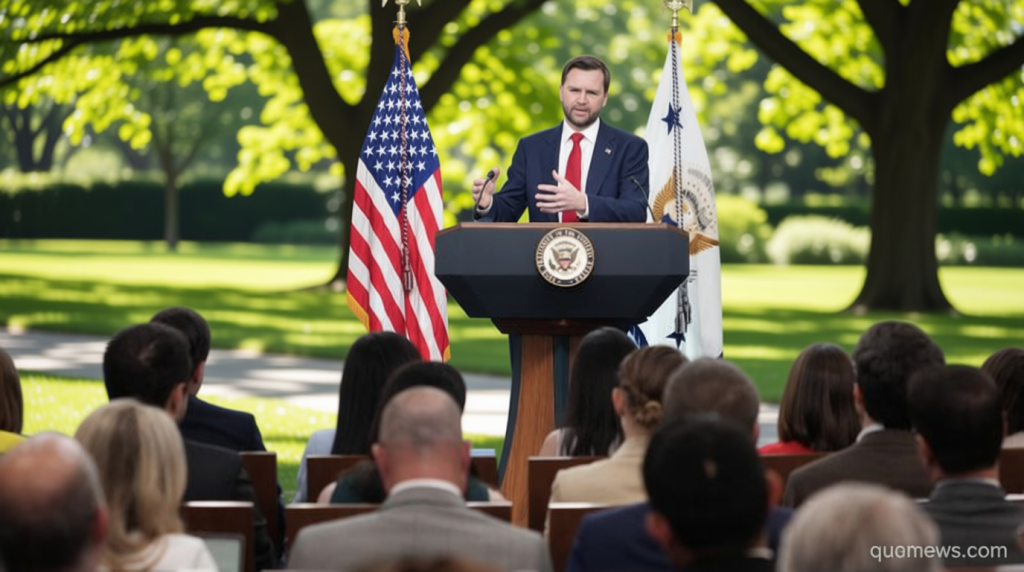
The White House spokesperson acknowledged the “never simple or predictable” nature of the logistical challenges, which led to the cancellation of Vance’s trip. Press pool members at Joint Base Andrews in Maryland had already gathered for his departure on Thursday night, only to be informed of the delay. This move signals a strategic shift, as the administration appears to be prioritizing flexibility over rigid adherence to formalities. Vice President JD Vance, during Thursday’s remarks, hinted at a willingness to take responsibility for any shortcomings, with a notable statement: “If it doesn’t work out, I’m blaming JD.”
“If it doesn’t work out, I’m blaming JD,”
the statement suggests a proactive stance, even as the delay highlights the unpredictability of the negotiations. While this approach aims to streamline decision-making, it has left Iran’s leadership skeptical, emphasizing that the agreement’s success hinges on tangible outcomes rather than verbal assurances.
Stakes of the Next Phase: A Test of Resolve
The next phase of the talks, now delayed, is poised to be a critical test of both sides’ commitment. Iran’s Supreme Leader Ayatollah Mojtaba Khamenei has reiterated his “different view” on the deal, framing it as a matter of principle rather than a pragmatic compromise. This stance is echoed by parliament speaker Mohammad Bagher Ghalibaf, who has warned of a “crushing response” should the other side fail to meet its obligations. The Supreme National Security Council has also signaled readiness to retaliate, declaring a “predetermined plan” for action if any breach occurs.
Such positions reflect Iran’s historical pattern of leveraging military readiness during negotiations, as seen in past conflicts where peace talks coincided with attacks on its territory. The current delay, however, is not merely a sign of resistance—it highlights a broader challenge in aligning the interests of Iran’s leadership with the United States’ evolving diplomatic strategy. With only a 60-day window to finalize the deal, the stakes have never been higher, and the next phase promises to be just as contentious as the first.
As the talks enter this crucial phase, the delay has intensified scrutiny over the agreement’s viability. Analysts note that the initial phase, which focused on technical aspects and verification mechanisms, was already marked by disagreements over key provisions. The next stage will require deeper discussions on Iran’s nuclear program, sanctions relief, and regional security commitments—areas where both sides have shown little willingness to compromise. The extended timeline may allow for more thorough negotiations, but it could also exacerbate tensions if progress remains slow.
The delayed talks show next phase of Iran peace talks has already sparked debates about the agreement’s long-term prospects. While the remote signings by Trump and Pezeshkian signaled a breakthrough, the absence of in-person ceremonies has raised concerns about transparency and mutual commitment. For the deal to hold, both parties must demonstrate a shared vision for the future, even as they navigate the complexities of geopolitical rivalries and domestic political pressures. The upcoming phase will require more than just technical adjustments—it will demand a renewed focus on trust-building and strategic alignment.