
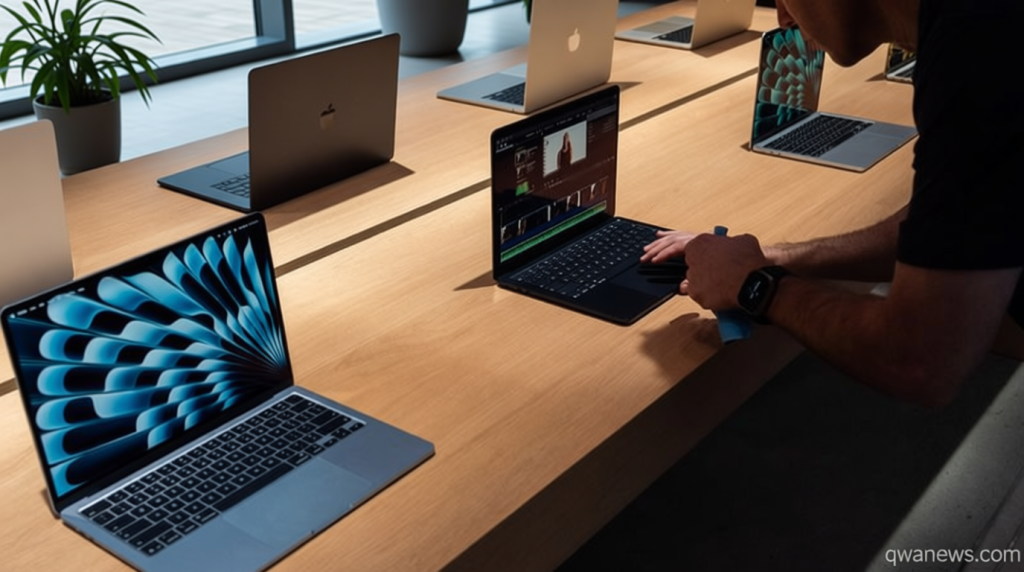
Apple Raises MacBook and iPad Prices Amid Global Memory Chip Shortage
Qwenews.com – Apple is hiking the prices of MacBooks and iPads, implementing a strategic adjustment across its product lineup to address the ongoing memory chip shortage. The company has announced that the base-model MacBook, now known as the MacBook Neo, will see its price increase to $699, up from $599. Similarly, the entry-level iPad has undergone a $100 price hike, climbing to $449 from its previous $349. These changes, which take effect immediately, reflect the broader challenges posed by heightened demand for memory and storage chips driven by the rapid expansion of AI infrastructure. The Apple TV, Apple Vision Pro, and HomePod have also experienced price increases, with the Vision Pro headset rising by $200 to $3,699. While the iPhone and AirPods remain unaffected, Apple’s pricing strategy underscores the current pressures within its supply chain.
Supply Chain Challenges Fuel Price Adjustments
Apple’s price hikes are a direct response to the strain on memory chip supplies, which have been exacerbated by the surge in demand from AI and machine learning technologies. As AI data centers and high-performance computing systems require vast amounts of memory, the global semiconductor industry has seen a sharp increase in chip production costs. According to Apple’s statement, the company is facing “unprecedented” spikes in component prices, which have forced it to pass on additional costs to consumers. “We’ve never witnessed such a rapid and significant increase in component costs,” said a representative, highlighting the financial impact on multiple product lines, including the MacBook and iPad. This adjustment comes amid a broader trend of supply chain disruptions that have affected tech companies worldwide.
“We’re doing our best to mitigate the huge increases that are being passed to us, and we’ve been trying to shield our customers from the rises, but the situation has become unsustainable,” Apple CEO Tim Cook remarked in a recent Wall Street Journal interview.
The price changes are already visible on Apple’s official website, though some retailers like Best Buy and Target continue to list older pricing models. This discrepancy has sparked discussions about the timing of the updates and whether consumers will fully bear the brunt of the shortages. Apple emphasized its efforts to stabilize costs and maintain affordability, despite the current market conditions. The company’s stock experienced a notable decline of 4.5% on Thursday, reflecting investor concerns about the long-term implications of these price adjustments. Cook had earlier warned of “sticker shock” for consumers, stating that price hikes were “unavoidable” due to the persistent shortages.
Broader Industry Impact and Consumer Reactions
Apple’s decision to hike prices is part of a larger trend affecting the global consumer electronics sector. Memory chip manufacturers such as Micron Technology and Samsung have reported record-breaking profits as demand from AI and other high-tech applications continues to grow. This surge in chip prices has rippled through the supply chain, with Apple and its competitors struggling to maintain consistent production schedules. While Apple is actively seeking solutions to stabilize costs, the impact on consumers is already evident. Many users have expressed frustration over the increased prices, particularly for devices that have seen minimal hardware upgrades. The pricing strategy has also raised questions about whether Apple will continue this approach as the shortage persists or if it will reverse the trend once supply chains normalize.
The memory chip shortage, which began in 2022, has had lasting effects on the tech industry. Semiconductor production has been constrained by factors such as geopolitical tensions, manufacturing delays, and the shift toward advanced chip technologies required for AI. Apple’s price hikes are not only a reflection of these challenges but also a signal of the company’s willingness to adapt its pricing strategy to ensure continued profitability. The company has historically balanced innovation with affordability, but the current situation has forced it to prioritize cost management. Analysts suggest that Apple’s adjustments may lead to a more premium pricing model in the near future, especially as the demand for high-capacity memory continues to outpace supply.
Despite the price increases, Apple remains focused on its long-term vision of integrating cutting-edge technology into its products. The MacBook and iPad lineups are critical to the company’s strategy in the creative and productivity markets, and the price hikes are intended to fund advancements in performance and features. For instance, the newer MacBook models now offer improved processing power and enhanced storage options, which justify the cost adjustments in the eyes of some consumers. However, the impact on budget-conscious buyers is significant, with many questioning whether the price hikes will deter purchases. As the tech industry navigates these challenges, Apple’s decision to raise prices sets a precedent for other companies facing similar supply chain pressures.