
Anti-AI Evangelist Gaining Momentum: Potential Challenge to Trump
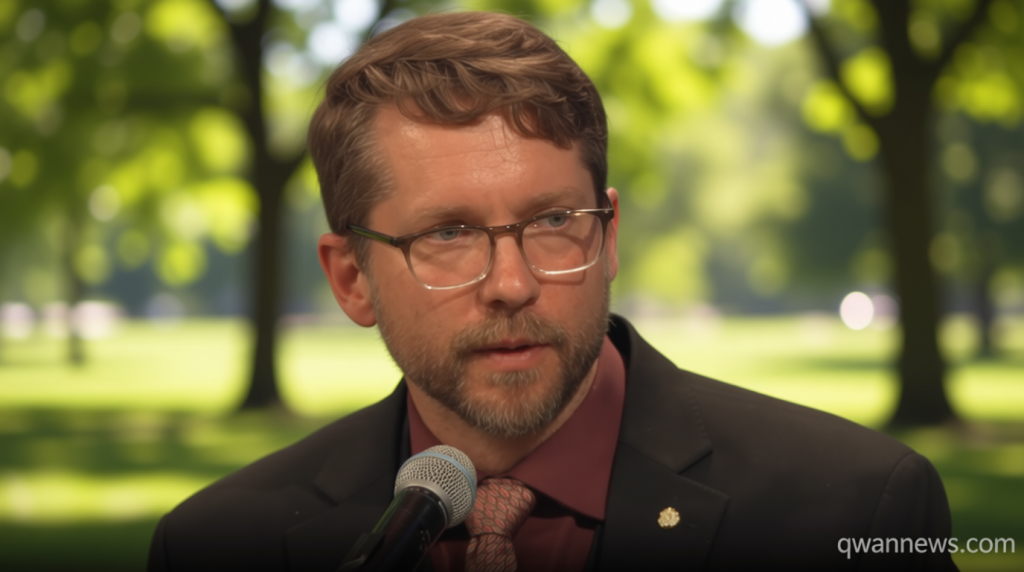
Qwenews.com – This anti AI evangelist is growing in influence, and the implications for American politics are becoming increasingly significant. Joe Allen, a former concert technician turned vocal critic of artificial intelligence, has rapidly ascended from a niche voice to a prominent figure in the cultural and political discourse surrounding AI. His rise has sparked conversations about how his anti-AI message might reshape the landscape of political support, especially in light of the Trump administration’s largely hands-off stance on regulating emerging technologies. With a growing base of followers and a platform that extends beyond traditional media, Allen’s critique of AI is gaining traction in a way that could challenge the status quo.
Redefining Identity in a Tech-Driven World
Allen’s journey from “concert rigger” to anti-AI advocate began with the disruption of live events during the pandemic, which left him with limited opportunities in his former field. This pivot prompted him to explore the societal and existential threats posed by artificial intelligence, a shift that has since defined his public persona. His message resonates with audiences who fear AI’s impact on jobs, energy consumption, and mental well-being, positioning him as a bridge between technological progress and traditional values. By framing AI as a force that could erode human agency, Allen has tapped into a broader cultural anxiety, amplifying his relevance in an era of rapid digital transformation.
“I sound less crazy now,” Allen said before a March speech at Dallas’ First Baptist Church, one of the country’s largest megachurches. “People are starting to see the dangers of AI in everyday life.”
His words reflect a strategic evolution in his rhetoric, where he now speaks to a more receptive audience by blending technical arguments with spiritual and moral undertones. The church, which has historically supported Trump’s policies, has become a key venue for Allen’s growing influence, highlighting the intersection of faith, technology, and political ideology in modern America.
Public Sentiment and Policy Implications
A recent June Pew Research Center survey revealed a notable shift in public perception, with more Americans than ever viewing AI as a societal threat rather than a benefit. Allen, a graduate of Boston University’s religion and science program, leverages this sentiment by positioning himself as a tech-Luddite who warns against the unchecked proliferation of AI. His argument—that AI should not be worshipped as a divine force but scrutinized as a tool with potential for harm—has found a receptive audience among working-class and lower-middle-class communities, creating a stark divide in the American right’s approach to technology.
As the anti-AI movement gains momentum, its political ramifications are becoming clear. While many of Allen’s followers are MAGA supporters, they are increasingly critical of Trump’s administration for its lack of regulatory oversight in AI development. This growing discontent suggests that Allen’s voice may not only challenge Trump’s narrative but also influence the broader conservative agenda. His critiques, often framed through metaphors like the Lovecraftian Shoggoth, have become a rallying point for those wary of AI’s dominance in shaping society.
Allen’s influence is also evident in the evolving strategies of political figures and organizations. Steve Bannon, who played a pivotal role in elevating Allen’s platform through his “War Room” podcast, has emphasized the appeal of his message to a politically engaged audience. “He’s perfect for that audience,” Bannon remarked, noting Allen’s theological background and Southern charisma. The First Baptist Church’s support for Allen underscores the potential for religious institutions to serve as catalysts for ideological movements, even as they remain aligned with traditional political figures.
Meanwhile, tech companies continue to champion AI as a driver of innovation and economic growth, citing job creation, productivity, and energy efficiency as key benefits. However, Allen’s warnings—rooted in concerns about AI’s impact on human dignity and societal cohesion—are gaining ground. His ability to articulate these fears in a way that resonates with everyday Americans has solidified his role as a growing counterforce to the tech-centric policies of leaders like Trump. As the debate over AI’s role in society intensifies, Allen’s movement may serve as a pivotal counterpoint to the status quo, reshaping the political discourse around technology and its consequences.