
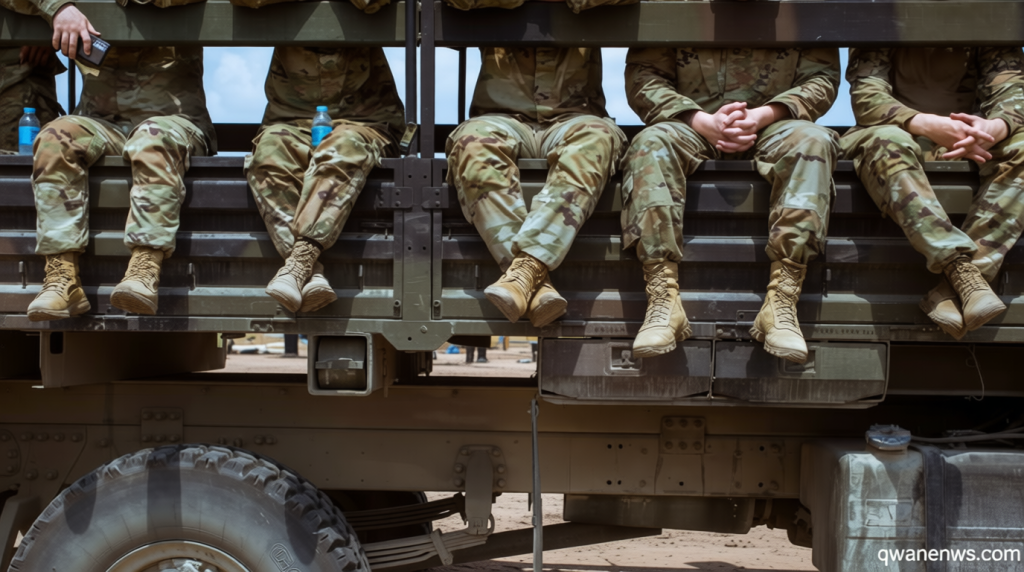
Bipartisan Bill Grants Service Members Legal Recourse for Sexual Assault and Harassment
Qwenews.com – Service members would be able to sue the military for sexual assault and harassment under a newly introduced bipartisan bill, the Military Sexual Trauma Accountability Act. This legislation, backed by Democratic Senator Jeanne Shaheen and Republican Senator John Kennedy, aims to address systemic issues within the armed forces by enabling victims to seek justice through civil courts. The bill covers a range of misconduct, including rape, aggravated sexual contact, child sexual assault, and unauthorized sharing of intimate images, offering a broader legal framework than previous measures.
Introduced in response to growing concerns about accountability, the act builds on existing efforts to reform military justice. While the 1950 Supreme Court ruling in United States v. Stanley previously barred service members from suing the military for service-related injuries, the 2019 SFC Richard Stayskal Military Medical Accountability Act marked a shift by allowing lawsuits for medical negligence. This new bill expands that principle to include sexual trauma, giving service members the ability to pursue legal action against the military for both direct harm and institutional failures in addressing such incidents.
Historical Challenges in Addressing Sexual Misconduct
Sexual assault and harassment have long been persistent issues in the military, with systemic barriers preventing victims from seeking justice. A 2024 Defense Department report noted 8,195 reports of sexual assault, a decrease of 320 cases from the prior year, yet the problem remains widespread. The Fort Hood case in Texas, where an Army gynecologist allegedly recorded patients and conducted unnecessary procedures, highlighted the need for stronger legal protections. This incident became a catalyst for the current legislation, which could apply to similar cases of sexual misconduct within the military ranks.
The Senate aide explained that the bill’s provisions would allow service members to hold the military accountable if they were assaulted or if the institution failed to act. This includes situations where harassment went unaddressed or where victims faced retaliation. By providing a pathway for legal action, the measure seeks to ensure that service members are not left without recourse when they suffer from sexual trauma while on duty. The aide emphasized that the bill’s provisions would be applicable even if the military itself is the perpetrator, reinforcing its bipartisan intent.
Legislative Support and Legal Implications
Senator Shaheen argued that the ability to sue is critical for achieving justice, stating, “It makes no sense that civilians can seek justice from the government when the warriors who have sacrificed everything to protect our nation cannot.” Her remarks underscore the bill’s focus on fairness and transparency. Senator Kennedy echoed this, stressing that the measure would ensure service members are not forced to endure sexual harassment without the option to pursue legal consequences. Both senators highlighted the importance of holding the military accountable for negligence in addressing these issues, aligning their efforts with a shared goal of reform.
Legal experts have noted that the bill could shift the balance of power between service members and the military. While the current legal framework allows for some lawsuits, this legislation expands that scope significantly. The Congressional Budget Office estimates that 120,000 individuals could successfully file claims in the first decade of implementation, indicating the potential scale of its impact. Critics, however, argue that the bill may lead to increased costs for the government, as seen in the Defense Department’s internal discussions about financial implications.
The measure is designed to complement existing military justice systems, ensuring that service members have access to both administrative and civil remedies. By allowing lawsuits for sexual trauma, the bill addresses gaps in the military’s internal reporting processes and offers victims an additional avenue to seek compensation and acknowledgment. This dual approach could help reduce the stigma surrounding sexual assault and encourage more service members to come forward with their experiences, ultimately fostering a culture of accountability and support within the armed forces.