
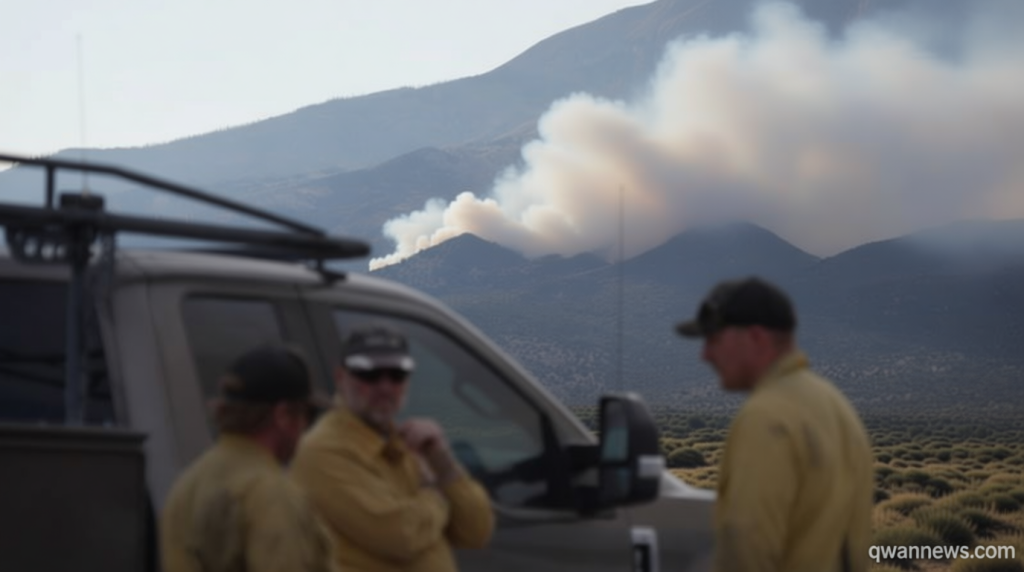
Wildfires Cast a Shadow Over Utah’s Fourth of July as Fireworks Restrictions Escalate
Qwenews.com – Wildfires cast a shadow over Utah’s Fourth of July celebrations, prompting the state to impose temporary fireworks restrictions to curb the risk of new blazes during the nation’s 250th Independence Day. Governor Spencer Cox described the measure as a necessary response to unprecedented fire conditions, emphasizing the challenges faced by communities. “Nothing about this was easy,” Cox stated in a Friday release. “Utahns cherish fireworks with loved ones, but this year’s fire conditions are unlike anything we’ve seen before.” The decision marks a significant shift from the state’s usual festive traditions, as residents grapple with the threat of uncontrolled flames.
Fire Weather Conditions Intensify the Crisis
Utah’s current wildfire season has been marked by prolonged drought, hundreds of active fires, and extreme weather patterns that have overwhelmed firefighting efforts. Over 75% of the state’s wildfires this year are attributed to human causes, according to the governor’s office. With vegetation at record dryness and unpredictable fire behavior, even a single spark can trigger a rapidly spreading disaster. The National Weather Service issued its first-ever “particularly dangerous situation” red flag warning on Friday, covering central and southern regions, including the Cottonwood Fire—the state’s largest ongoing blaze.
“This is a temporary measure for an extraordinary year,” Cox explained. “It safeguards communities while allowing local leaders to pinpoint safer zones for fireworks use.”
Local authorities are now determining designated areas where fireworks can be allowed under controlled conditions. The restrictions have sparked mixed reactions, with some residents appreciating the safety precautions and others lamenting the loss of tradition. Meanwhile, the Cottonwood Fire, which has scorched over 92,000 acres in Fishlake National Forest east of Beaver, remains 0% contained. Evacuations are ongoing, and officials warn it could surpass previous records in terms of damage. The blaze’s origin is still under investigation, but 873 personnel are working tirelessly to contain it.
“Alyssa Mason, a spokesperson for the emergency management team, said crews are constantly alert to dangerous fire behavior. ‘We always prioritize safety. If conditions worsen, we tell them to retreat to secure areas immediately.’”
Communities Struggle with the Aftermath
Residents of Beaver Mountain are now mourning the destruction of cherished family retreats and cabins, many of which have been lost to the flames. For Evan Stapley, the area was more than a recreational spot—it was a part of his family’s legacy. “Nothing is more beautiful than Beaver Mountain in the fall,” Stapley said, describing the vibrant colors of aspen and pine trees. Now, that cabin has been reduced to ash, leaving families with profound emotional and financial losses.
“After receiving a video from a friend, Stapley said, ‘I saw it and couldn’t believe it. The fire must have spread so fast, circling the cabin and taking everything—my tears just flowed.’”
The fire has also devastated Eagle Point Ski Resort, where multiple structures were damaged or destroyed. Owner Shane Gadbaw shared the resort’s struggles on social media, stating it will remain closed as it rebuilds. The emotional toll on communities continues to grow, with families and businesses forced to adapt to the new reality. State officials have warned that those responsible for igniting wildfires could face criminal charges and civil penalties for property damage, underscoring the urgency of the situation.
State and Federal Response to the Crisis
As wildfires threaten to overshadow the holiday, both state and federal agencies are stepping up efforts to manage the crisis. The Utah Division of Forestry, Fire and Bugy Control has activated additional resources, coordinating with the Federal Emergency Management Agency (FEMA) to provide support. Officials have also launched a public awareness campaign to encourage residents to follow safety guidelines, including avoiding open flames and monitoring weather forecasts.
Efforts to contain the Cottonwood Fire have focused on creating firebreaks and using aerial support to target hotspots. However, the unpredictable nature of the flames has made progress challenging. Firefighters have reported encountering intense heat and rapid spread, requiring constant adjustments to their strategies. Despite these efforts, the full extent of the damage remains unclear, with officials estimating the potential economic impact could exceed $200 million in affected regions.
“The governor’s office is working closely with local leaders to ensure the restrictions are enforced while minimizing disruptions to holiday celebrations,” a spokesperson added. “Our priority is protecting lives and property, even if it means temporary sacrifices.”
Long-Term Implications for Utah’s Wildfire Preparedness
Wildfires cast a shadow over Utah’s usual festive atmosphere, but the crisis also highlights the state’s long-term challenges in wildfire management. Experts warn that climate change is likely to increase the frequency and intensity of such events, necessitating more proactive measures. This includes investing in early detection systems, improving vegetation management, and enhancing community education programs. The current season has already tested the limits of these strategies, with some areas reporting delays in response due to resource shortages.
While the restrictions are temporary, they serve as a reminder of the growing vulnerability of Utah’s landscape. State officials are urging residents to remain vigilant, especially as the summer months bring higher temperatures and drier conditions. “We’re in uncharted territory,” Cox noted. “This year’s situation is a wake-up call for all of us to prepare for what’s to come.” The wildfires have not only disrupted Fourth of July festivities but also forced a reevaluation of how Utah approaches fire safety in the face of a changing climate.