
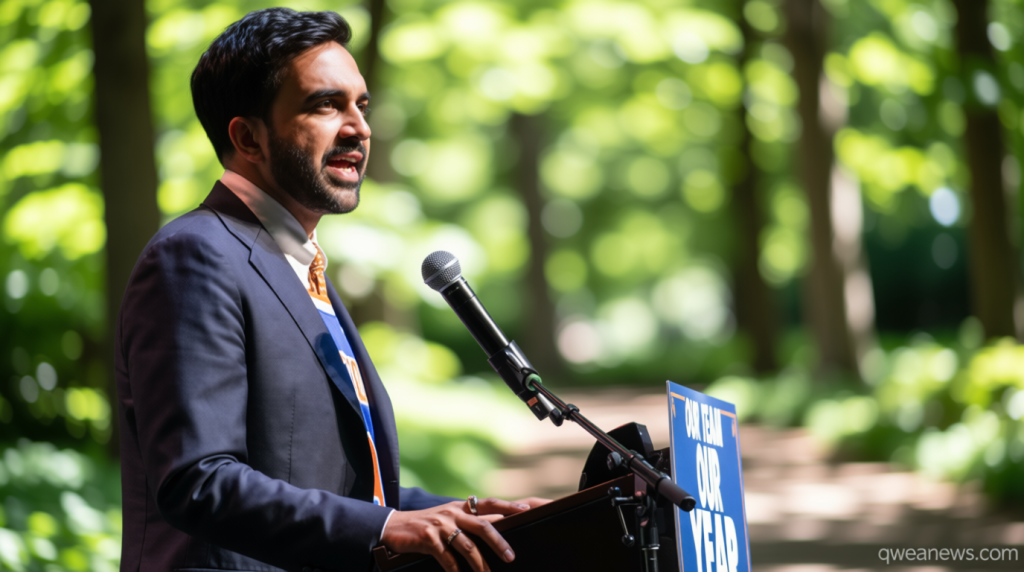
Rent Board Fulfills Mamdani’s Vow to Freeze 1 Million NYC Apartments
Qwenews.com – In a significant move for New York City tenants, the Rent Guidelines Board has officially approved a rent freeze on approximately 1 million stabilized apartments, fulfilling Mayor Zohran Mamdani’s campaign promise. The decision, announced on Thursday, comes as a direct result of Mamdani’s influence over the board, which he appointed with a majority of his allies shortly after taking office. This policy aims to alleviate financial pressure on residents by locking in rent rates for one-year and two-year leases, marking a pivotal shift in the city’s approach to housing affordability.
The rent freeze is a cornerstone of Mamdani’s pledge to prioritize tenant relief, a promise he emphasized repeatedly during his election. Advocacy groups have hailed the measure as a victory for working families, particularly in neighborhoods where rent burdens have skyrocketed. However, the move has also drawn scrutiny from real estate stakeholders, who argue that it may create long-term challenges for landlords. Critics suggest the freeze could indirectly lead to higher rents for non-stabilized units, as property owners seek to offset lost income.
Impact on the Housing Market and Tenant Advocacy
With around 40% of New York City’s housing stock falling under rent stabilization, the freeze is expected to provide immediate relief to nearly 2 million residents. While the policy directly affects stabilized units, its broader implications could ripple through the rental market, influencing landlord behavior and tenant expectations. Supporters argue that the freeze will encourage landlords to maintain properties and invest in repairs, while opponents warn of potential neglect and reduced rental availability.
“This rent freeze is a clear demonstration of how New York City can prioritize the needs of working people,” said Mamdani, who once lived in a rent-stabilized apartment in Queens before moving into Gracie Mansion. “It’s a promise I’ve made to keep housing affordable for all New Yorkers, and today we’ve taken a major step toward that goal.”
Legal challenges are anticipated, as the policy faces opposition from groups like the New York Apartment Association. Kenny Burgos, CEO of the association, expressed concerns about the freeze’s effect on operational costs, stating, “This will only result in more dilapidated housing and potentially more foreclosures and bankruptcies.” Despite these warnings, advocates insist that the freeze is a necessary step to curb rising living expenses, especially for low- and moderate-income households.
Historical Context and Political Shifts
Rent stabilization in New York City has a long history, dating back to 1945, but recent years have seen increased pressure to reform the system. Under Mamdani’s leadership, the Rent Guidelines Board has shifted from previous trends of gradual rent increases to a more tenant-friendly stance. Last year, the board allowed hikes of up to 3% for one-year leases and 4.5% for two-year leases, but this year’s freeze signals a dramatic departure from that trajectory.
The decision reflects Mamdani’s growing influence over the board, which he appointed with a majority of his supporters. Critics argue that this has led to a lack of independence in the process, with some accusing the board of prioritizing political promises over economic realities. Christina Smyth, a board member who resigned in protest, wrote, “The Rent Guidelines Board has stopped being a fact-finding body. It has become a body that starts with an answer and vibe codes its way backward to justify it.” Her resignation underscores the controversy surrounding the policy’s implementation.
As the rent freeze takes effect, the city will likely see a mix of outcomes. While tenants may benefit from immediate stability, landlords could face financial strain, potentially leading to reduced maintenance or even conversions to non-stabilized units. This dynamic highlights the delicate balance between tenant protections and landlord viability, a challenge that will need ongoing attention as the policy unfolds. Mamdani’s vow to freeze rents has already positioned him as a key figure in the fight against housing insecurity, a theme that will likely dominate future policy discussions.