
How Russian Ballistic Missiles Are Exploiting Ukraine’s Air Defense Gaps
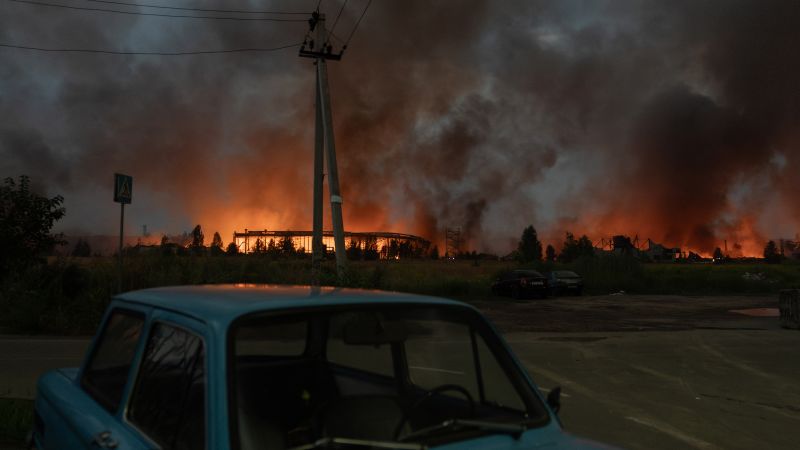
Qwenews.com – How Russian ballistic missiles are exploiting critical vulnerabilities in Ukraine’s layered air defense system has become a defining feature of the ongoing conflict. Ukrainian urban centers face a severe danger that arrives with minimal notice, catching civilians and military installations off guard. Over recent months, Kyiv has forced Moscow to retreat by damaging oil facilities, creating fuel shortages and igniting commercial hubs across the country. However, Moscow has taken advantage of a major weakness: a lack of ballistic interceptors. This gap allows for terrifying high-speed assaults on population centers combined with other aerial threats.
The Ballistic Interceptor Shortage
Ukraine’s air defense network, while impressive in its resilience, faces a fundamental challenge when confronting ballistic missiles. These weapons travel at speeds exceeding Mach 5, giving defenders precious seconds to react. The Patriot systems deployed by Western allies excel against cruise missiles and aircraft, but they lack sufficient interceptors designed specifically for ballistic threats. This limitation means that when Russia launches waves of ballistic missiles, Ukraine must prioritize which targets receive protection.
“The ballistic interceptor shortage represents one of the most significant challenges Ukraine faces in protecting its cities from Russian aerial bombardment,” noted defense analysts monitoring the conflict.
Russia has adapted its strategy accordingly, launching coordinated strikes that overwhelm Ukraine’s limited defensive capacity. The timing of these attacks often coincides with periods when Ukrainian forces are engaged elsewhere, creating windows of opportunity for devastating strikes on energy infrastructure and residential areas.
Strategic Adaptation on Both Sides
The evolution of this aerial warfare has seen both nations develop new tactics. Ukraine has invested heavily in mobile air defense units and distributed its interceptors across multiple locations to prevent catastrophic losses. Meanwhile, Russia has refined its approach by combining ballistic missiles with cruise missiles and drones in complex attack patterns that confuse defensive systems.
The economic dimension of this conflict cannot be overlooked. Ukraine’s reliance on international aid for missile interceptors creates vulnerability, as supply chains can be disrupted and political support may fluctuate. Russia, with its domestic production capabilities and larger stockpiles, can sustain prolonged campaigns of ballistic missile strikes.
Impact on Civilian Population
The human cost of these ballistic missile campaigns extends far beyond immediate casualties. Power outages lasting days or weeks disrupt hospitals, schools, and homes. Water treatment facilities and heating systems depend on reliable electricity, creating cascading effects throughout Ukrainian society. The psychological toll on civilians who must regularly seek shelter adds another layer of suffering to an already devastating conflict.
International observers note that the effectiveness of Russian ballistic missiles depends not only on their accuracy but also on their ability to overwhelm defenses through volume and timing. When multiple waves of missiles arrive in succession, even well-coordinated air defense systems struggle to maintain coverage across all critical targets.
Looking Ahead: The Future of Ukraine’s Air Defense
As the conflict continues, Ukraine faces the challenge of modernizing its air defense infrastructure to better counter ballistic threats. This includes acquiring additional interceptor systems, improving early warning capabilities, and developing more sophisticated coordination between different defensive elements. The international community’s response will play a crucial role in determining whether Ukraine can close the gaps that Russian forces have learned to exploit so effectively.
The lessons learned from this phase of the conflict may reshape air defense strategies worldwide. Nations facing similar ballistic missile threats are watching closely to understand how Ukraine’s experience might inform their own defensive postures and procurement decisions.
Frequently Asked Questions
What types of ballistic missiles does Russia primarily use against Ukraine? Russia employs various ballistic missile systems including Iskander and Kalibr variants, each with different ranges and capabilities for striking targets across Ukraine.
Why are ballistic interceptors so critical for Ukraine’s defense? Ballistic interceptors are specifically designed to engage high-speed ballistic missiles that travel much faster than cruise missiles, making them essential for protecting urban centers from these rapid threats.
How has Ukraine adapted its air defense strategy? Ukraine has distributed its defensive assets across multiple locations, increased mobile units, and improved coordination between different air defense systems to maximize coverage and minimize vulnerability.
What role does international support play in Ukraine’s air defense? Western nations provide critical ballistic interceptors and advanced air defense systems, though supply consistency and political commitment remain important factors in Ukraine’s defensive capabilities.