
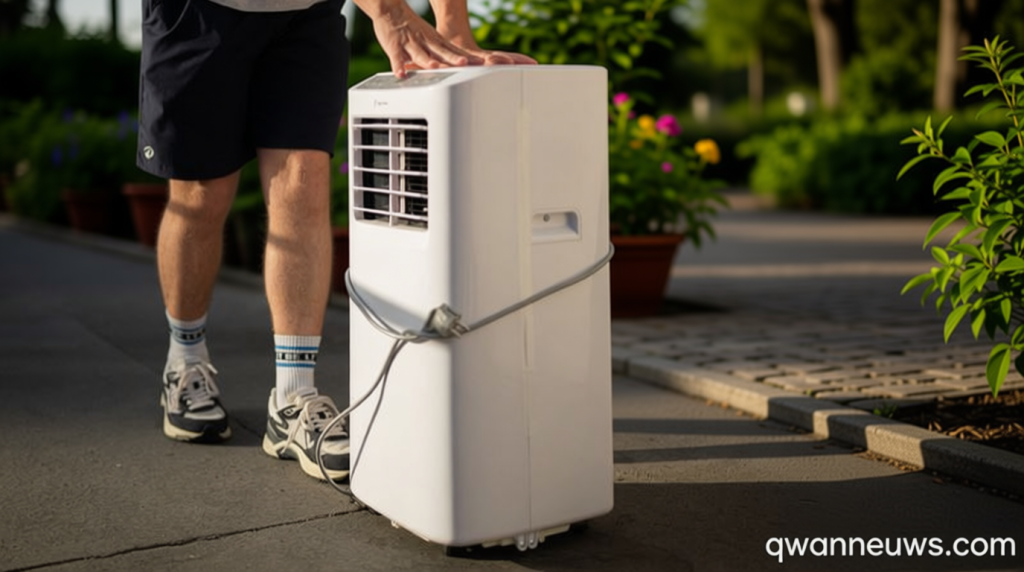
European Heat Wave Boosts Sales for Asian Air-Conditioner Makers
Qwenews.com – The European heat wave brings in cool, creating a significant surge in demand for air conditioning units across the continent. As temperatures soar to record levels, Asian manufacturers are capitalizing on the situation, with companies like Samsung Electronics, Midea, and Mitsubishi Electric reporting record-breaking sales. This trend underscores a growing reliance on cooling technologies amid the region’s climate challenges, which have forced many households and businesses to seek alternatives to combat the extreme heat.
Surge in Cooling Demand Across Key Markets
Europe’s unprecedented heatwave has led to a sharp increase in air conditioner purchases, particularly in countries such as Italy, Spain, and France. According to industry reports, these nations have experienced double-digit sales growth in the first half of 2026, with Germany’s e-commerce platforms witnessing a 37% year-over-year rise in cooling equipment sales. The situation has also pushed the demand for Midea’s PortaSplit model to new heights, with second-hand units selling at a premium due to overwhelming interest. As the heatwave persists, the market for cooling solutions is expected to remain robust, especially as the World Meteorological Organization warns of prolonged warmer summers.
Experts note that the current demand is not only driven by immediate comfort needs but also by a shift in consumer behavior. Many European households, previously unaccustomed to relying heavily on air conditioning, are now adopting these systems as a necessity. This transformation is particularly evident in urban areas, where businesses and residents are investing in cooling infrastructure to mitigate health risks and maintain productivity during the heatwave.
Asian Manufacturers Lead the Cooling Boom
Asian air-conditioner producers are reaping the rewards of Europe’s heatwave, with Samsung Electronics, Midea, and Mitsubishi Electric at the forefront. Samsung’s recent statement highlights the company’s anticipation of sustained demand as temperatures are projected to rise further. Similarly, Midea’s PortaSplit model has seen an unexpected surge in popularity, with orders outpacing supply in certain markets. Mitsubishi Electric has also emphasized the need for cooling solutions, aligning with the World Meteorological Organization’s forecasts of continued warming in Europe.
The increased demand has prompted Asian manufacturers to ramp up production and expand their European distribution networks. For instance, LG Electronics has reported that its South Korean facilities are operating at full capacity to meet both domestic and international needs. This proactive approach has not only bolstered sales but also strengthened the companies’ market presence in Europe, a region historically reliant on natural ventilation and other cooling methods.
Additionally, the heatwave has sparked interest in energy-efficient cooling systems, as consumers and businesses seek sustainable solutions to manage rising utility costs. This shift aligns with global trends toward eco-friendly technology, further cementing the role of Asian manufacturers in meeting Europe’s cooling needs. The market is now seeing a blend of traditional and innovative products, from portable units to smart thermostats, as demand diversifies.
Challenges and Opportunities in the Cooling Market
Despite the growing demand, European markets face challenges in adopting air conditioning on a large scale. Installation costs remain a barrier, particularly in older buildings that require extensive modifications. Midea notes that setup in European homes can cost over $1,137 (€1,000), which many residents find prohibitive. The International Energy Agency estimates that only 20% of European households currently own air conditioning units, highlighting the untapped potential in the market.
However, the European heat wave brings in cool is also driving long-term investments in cooling infrastructure. Governments and private sectors are collaborating to improve energy grid capacity and promote the use of air conditioning as a solution to heat-related health issues. This includes incentives for businesses to install climate control systems and for individuals to adopt more efficient cooling technologies. Such initiatives are expected to accelerate the adoption of air conditioning across Europe, particularly in regions most affected by the heatwave.
As the demand for cooling solutions continues to grow, Asian manufacturers are poised to dominate the European market. Their expertise in innovation and cost-effective production has allowed them to meet the surge in orders while maintaining quality. This trend is likely to continue as Europe’s climate shifts, making air conditioning an essential part of daily life for more households and businesses. The European heat wave brings in cool is not just a temporary trend but a catalyst for lasting change in the region’s energy and climate strategies.