
Japanese City Closes Nearly 100 Schools After Bear Activity Surges
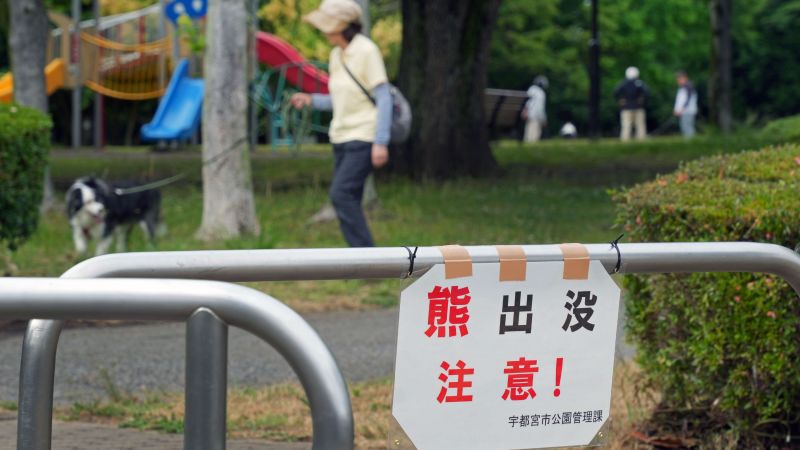
Qwenews.com – Utsunomiya City, situated approximately 170 kilometers north of Tokyo, has taken the unprecedented step of closing nearly 100 public elementary and junior high schools in response to a sharp increase in bear sightings. The closures, announced following multiple reports of bears entering urban areas, have left thousands of students and families in the region on edge. Officials cited heightened activity near residential zones and schools as the primary reason for the precautionary measure, which is expected to remain in place until further notice. Security footage captured a second bear in a downtown shopping area, intensifying concerns about the animals’ proximity to human populations.
The Escalating Threat of Bear Encounters
Bear attacks have become a growing public safety issue in Japan, with record numbers reported last autumn. The surge in incidents, which peaked during the warmer months, has prompted authorities to declare a national emergency in some regions. This year, the situation has worsened as bears, typically more active in rural areas, have been sighted in unexpected locations, including school grounds and commercial districts. Experts warn that the combination of climate change, habitat loss, and declining hunting practices has created conditions for bears to venture closer to human settlements.
“The city is taking swift action to ensure the safety of its residents, especially children, as bears become more active in urban environments.”
Local officials have emphasized that the closures are a necessary response to the current crisis. The Wildlife Management Group confirmed that the first bear sighting in Utsunomiya occurred on Saturday, and by Sunday, the animal had been spotted on school premises. The following night, security cameras recorded a second bear in a bustling downtown area, raising alarms about potential threats. These events have forced authorities to implement strict protocols, including increased patrols and the use of deterrents to locate and secure the bears.
Understanding the Causes of the Bear Surge
Scientists and conservationists have identified several factors contributing to the recent spike in bear activity. A reduction in hunting pressure has led to a growing bear population, as fewer animals are being culled in rural areas. Additionally, climate change has altered food availability, pushing bears to search for sustenance in urban zones. The thawing of mountainous regions during spring and summer has also encouraged bears to emerge from hibernation earlier than usual, increasing their interactions with humans.
Furthermore, the shrinking population of people in remote regions has left bears with less natural habitat, forcing them to adapt to new environments. As the city remains on high alert, residents are being advised to take preventive measures, such as securing trash bins and keeping windows closed at night. These steps aim to reduce attractants that might draw bears into populated areas, particularly during the peak of their activity period.
Recent incidents have underscored the urgency of the situation. In June 2, a bear attacked a steel factory in Fukushima, injuring four workers. NHK reported that at least 23 people were attacked across nine prefectures between April and June 2, with some injuries occurring in mountainous regions where bears forage for wild edibles. The pattern of attacks has shifted, with more cases recorded in urban and suburban areas, signaling a new phase in Japan’s ongoing battle with wildlife.