
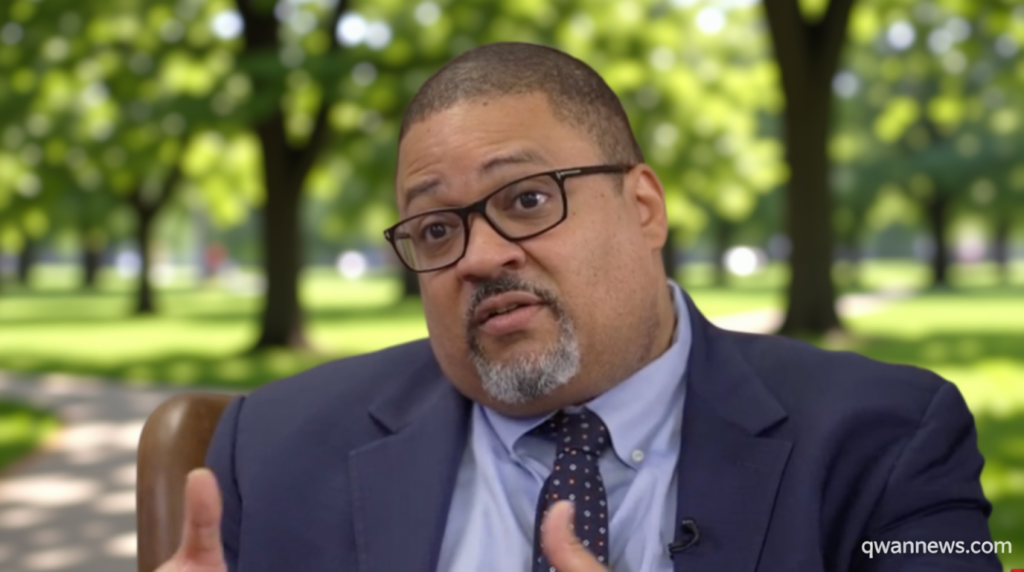
Exclusive: Manhattan DA Alvin Bragg Pushes for Legal Reform After Dismissing Harvey Weinstein’s Rape Trial
Qwenews.com – Exclusive: Manhattan District Attorney Alvin Bragg has joined the growing chorus of advocates calling for systemic change in the legal system, following his decision to abandon a fourth retrial of movie producer Harvey Weinstein on a rape charge. The move, which came after the New York Court of Appeals overturned the 2020 conviction, has sparked renewed debate about how survivors of sexual assault are treated in courtrooms. In an exclusive interview with CNN, Bragg highlighted the emotional toll on accusers and urged legislators to prioritize reforms that would better support victims in the justice process.
The case against Weinstein, once a landmark victory for the #MeToo movement, faced a critical setback when the appellate court ruled that testimony about his use of Hollywood power to manipulate others was improperly admitted. This decision effectively dismantled a key part of the prosecution’s argument, which had relied heavily on the accusers’ accounts of Weinstein’s predatory behavior. Bragg’s office had previously stated that the prior testimony was essential in proving motive and intent, but its exclusion left the case vulnerable to dismissal. The DA emphasized that this ruling underscores the need for updated legal standards to ensure survivors’ voices are not silenced in high-profile trials.
Reforming the Legal Framework for Survivors
Bragg has been actively working with state lawmakers to revise criminal procedures, particularly those governing the admissibility of sexual assault testimony. He argued that current rules fail to account for the nuanced experiences of survivors, who often bear the brunt of courtroom scrutiny. “Survivors should not be forced to re-litigate their trauma in every trial,” he said, stressing that the legal system must evolve to recognize the importance of personal narratives in proving cases of sexual violence.
“We didn’t get it done this year, but we tried, and we’ll be back again next year,” Bragg said, reflecting on the legislative stalemate. His comments came as state legislators debated proposals to allow testimony about past sexual misconduct to be used as evidence of intent. While these bills stalled in the current session, Bragg remains optimistic about future opportunities to reshape the justice system.
Without such reforms, survivors risk being sidelined in the prosecution of sexual assault cases. Bragg noted that the emotional strain of repeated testimony can be overwhelming, especially for those who have already endured significant trauma. “The process of going through court multiple times can fragment a survivor’s story, making it harder to secure justice,” he explained. This sentiment resonates with advocates who argue that the current system often prioritizes procedural rigor over the lived experiences of victims.
The Human Cost of Retrials
One of the most poignant moments in the Weinstein case came from Jessica Mann, an accuser who testified in the original trial. In an exclusive letter to the court, she detailed her reluctance to reappear in court for a fourth time. “It was clear to me at this last trial I could no longer endure going through this,” Mann wrote. She described the retrial process as “deeper re-traumatization” and “additional trauma,” emphasizing how the burden of reliving her experience weighed heavily on her mental health.
“In the process of court, I have been fragmented, silenced, defamed, and traumatized,” Mann stated. Her words provided a personal perspective on the challenges survivors face when the legal system revisits their accounts. Bragg acknowledged the impact of her testimony, calling it “sobering and heartbreaking,” and noted that it played a crucial role in his decision to stop further retrials. He believes that survivors’ unfiltered accounts are vital to the justice process, yet they are often overlooked in favor of legal technicalities.
The decision to halt retrials also reflects Bragg’s recognition of the broader implications for sexual assault survivors. While the Weinstein case brought national attention to the issue, many victims remain unheard in the courtroom. “High-profile cases are important, but they also highlight the struggles of those who don’t have the same visibility,” he said. By focusing on legislative changes, Bragg aims to create a system where all survivors—regardless of fame or public perception—have equal opportunities to seek justice.
Bragg’s efforts align with findings from the Rape, Abuse & Incest National Network (RAINN), which reports that 98% of sexual assault perpetrators escape full accountability through the criminal justice system. This statistic underscores the urgency of reforms to ensure that survivors are not left without recourse. The DA’s push for legal changes could pave the way for a more equitable process, where the trauma of testifying is acknowledged and addressed rather than treated as a secondary concern.