
Drone Seizures and Arrests Near World Cup Events: Legal Guidelines for Safe Operation
Qwenews.com – With the FIFA World Cup underway, drone seizures and arrests for flying in restricted zones have become a focal point for law enforcement. A 26-year-old Texan, John Alexander Meza, was recently charged after operating a DJI Mavic 3 near a stadium without proper authorization. His two-minute flight, which exceeded the 200-foot limit, was captured on June 11, the tournament’s opening day. This incident underscores the heightened security measures in place to protect events, ensuring that drone operators are aware of the legal boundaries they must respect.
Expanded Airspace Restrictions and Federal Enforcement
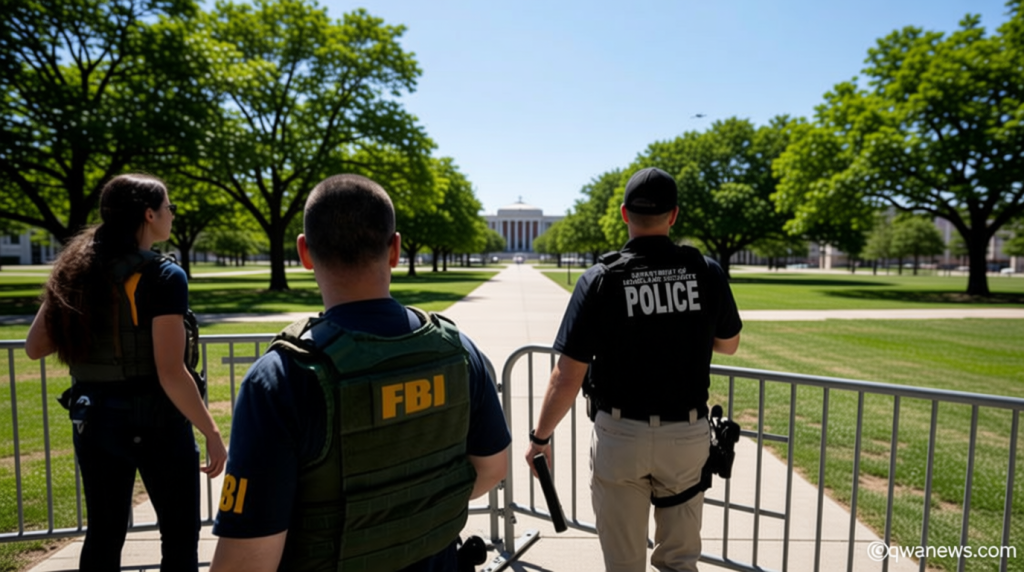
The Federal Aviation Administration (FAA) has implemented stricter rules around World Cup venues to mitigate risks to spectators, players, and infrastructure. A 3-nautical-mile radius and a 3,000-foot altitude cap now surround 11 key stadiums, including SoFi Stadium in Los Angeles and Mercedes-Benz Stadium in Atlanta. These zones, labeled as “national defense airspace,” require drones to be registered and flown only with explicit permission. The FBI has intensified efforts to enforce these regulations, seizing over 500 drones since the tournament began. Such actions highlight the serious consequences of violating airspace rules.
“Flying in restricted zones poses a significant threat to safety and security,” explained FBI Special Agent Brett Skiles. “These measures are designed to prevent accidents and ensure the seamless flow of events.” Skiles emphasized that unauthorized drone activity can lead to federal charges, including reckless endangerment or interference with critical infrastructure.
Case Studies: Real-Time Enforcement in Action
In Atlanta, Lorenzo Rojas-Martinez was detained for flying a drone near Centennial Olympic Park on June 12. The incident, which involved an undocumented individual, revealed that drone enforcement isn’t limited to stadium areas. Rojas-Martinez, with a history of cocaine distribution, now faces legal proceedings while awaiting representation. This case illustrates how drone operators, regardless of their intent, can be targeted under current protocols. Similar incidents have been reported in Houston, Miami, and Kansas City, showing a coordinated approach across host cities.
Operators who fail to check flight restrictions before launching their drones face escalating legal action. Patrick Phillip Heer, a 34-year-old from Katy, Texas, was caught flying near the FIFA Fan Zone on June 13. Though his goal was to capture real estate footage for his partner, he was unaware of the temporary restrictions. This example highlights the need for education, as many flyers may not realize the risks associated with drone seizures and arrests for flying too close to events.
Understanding FAA Regulations and Risk Zones
The FAA’s updated guidelines classify certain areas as “restricted” due to their proximity to critical infrastructure or high foot traffic. These zones are dynamic, with the list of affected locations subject to change as the World Cup progresses. Operators must consult the FAA’s website regularly to confirm permitted areas and altitude limits. For instance, the Los Angeles Memorial Coliseum and Rockefeller Center in New York have also been added to the restricted list, emphasizing the broad scope of enforcement.
Compliance with these rules is essential to avoid legal repercussions. Drone seizures and arrests for flying in unauthorized areas can result in fines, confiscation of equipment, or even criminal charges. Law enforcement agencies are actively patrolling these zones, using technology like radar systems and drone detection tools to identify violators swiftly. This proactive strategy ensures that drone activity remains within safe parameters, minimizing disruptions to the World Cup experience.