
8 Protesters Accused by Feds Face Up to 100 Years for Texas Detention Center Shooting
Qwenews.com – In a landmark sentencing, eight protesters accused by federal authorities of ties to antifa were handed prison terms ranging from 30 to 100 years for a shooting at a Texas immigration detention center. The incident, which occurred on July 4 near the Prairieland Detention Center in Dallas, led to a police officer being wounded and sparked intense debate over the use of force in activism. Prosecutors framed the attack as an act of terrorism, while the defendants and their families argued it was a spontaneous effort to support detained immigrants. The sentencing marks a significant escalation in the legal battle surrounding the event, which has drawn national attention and questions about the balance between free speech and public safety.
The Shooting and Federal Charges
The incident unfolded during a demonstration organized by a group of activists protesting the conditions at the Prairieland Detention Center. According to federal prosecutors, the shooters targeted a police vehicle in an attempt to disrupt immigration operations, leading to the officer’s injury. The defendants, including a former U.S. Marine Corps reservist, were charged under the Federal Antiterrorism and Effective Death and Injury Act, which allows for severe penalties in cases involving domestic terrorism. This legal framework was used to justify the maximum sentence of 100 years for the most severe offender, setting a precedent for similar cases.
“This was not just a protest—it was a coordinated attack designed to intimidate law enforcement and create chaos,” said Assistant U.S. Attorney Frank Gatto, who emphasized the seriousness of the charges. The prosecution highlighted the group’s alleged connections to antifa, a far-left network known for its militant tactics against far-right groups, and argued that the shooting was a calculated act of violence.
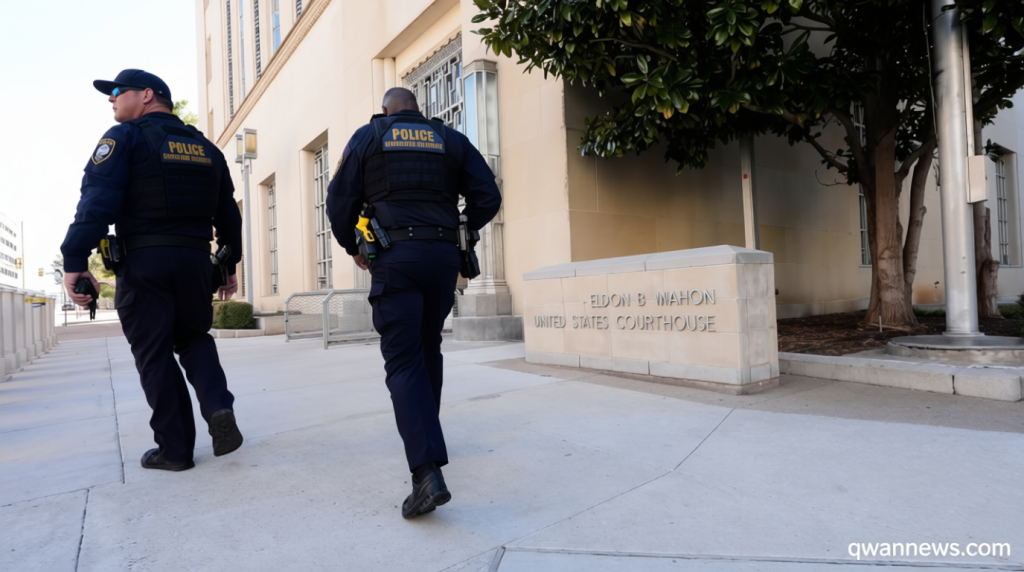
Defendants, however, contested these claims, asserting that they were simply advocating for immigrant rights and that the shooting was accidental. Hope Song, the mother of Benjamin Song, who received the longest sentence, described her son as a passionate individual with a “heart full of compassion” who believed in peaceful protest. Other family members and supporters gathered outside the Fort Worth federal courthouse, pleading for mercy and calling the sentencing “excessive” for a group that had not intended harm.
Legal Implications and Public Reaction
The sentencing has raised concerns about the potential impact on First Amendment rights, with critics arguing that the charges against the protesters could be used to suppress dissent. The case also highlights the growing use of domestic terrorism designations to target groups involved in civil disobedience, particularly those associated with antifa. While the Trump administration had previously classified antifa as a domestic terrorist organization, the legal definition remains fluid, allowing prosecutors to apply it broadly in cases involving violent protests.
“The federal government is using this case to send a message: anyone who supports immigration reform could face extreme consequences,” said Autumn Hill, a family member of one of the defendants. The broader implications of the sentencing could influence future protests and legal strategies, as activists now face the prospect of harsh penalties for their actions. Meanwhile, supporters of the Trump administration have praised the decision as a necessary step to protect law enforcement from violent confrontations.
Some of the defendants had already pleaded guilty to providing material support to terrorists, bypassing a trial and accepting the charges as part of a plea deal. This strategy allowed prosecutors to streamline the process and secure the maximum sentences. However, others in the group maintained their innocence, claiming they were unaware of the full extent of the federal charges against them. The case has also drawn comparisons to similar prosecutions in other states, where activists have been targeted for their role in blocking immigration facilities.
As the legal battle concludes, the focus remains on the broader societal implications of the sentencing. The incident has reignited discussions about the role of activism in American society and whether the use of federal charges can be applied fairly to all groups. With the defendants now behind bars, the case will likely serve as a cautionary tale for future protests and a test of how the justice system handles politically motivated violence. The Prairieland Detention Center, a key symbol of the immigration debate, now stands as a backdrop to a high-profile legal showdown that could shape the landscape of civil rights and national security for years to come.