
Philadelphia’s Fight Against Trump’s Slavery Exhibit Changes
Qwenews.com – Just days before the United States celebrated its 250th anniversary, visitors to Independence National Historic Park in Philadelphia faced a dramatic shift in historical interpretation. The Trump administration fought to change a prominent slavery exhibit at the site, prompting fierce resistance from the city and its advocates. This controversy underscores a broader debate over how historical narratives are shaped and preserved in national spaces, with Philadelphia vowing to continue its pushback against what it sees as an attempt to revise the past to fit a specific political agenda.
The Legal Battle Over the Exhibit
The conflict centers on the President’s House, an open-air site in the park that once served as the home of George Washington and John Adams. For over a decade, the exhibit there had featured a powerful display highlighting the lives of nine enslaved individuals who lived in Washington’s Philadelphia household. It also included a timeline detailing the broader legacy of American slavery, emphasizing its enduring impact on the nation’s founding. However, the Trump administration, through its “Restoring Truth and Sanity to American History” executive order, sought to alter this content, targeting elements it deemed biased or politically motivated.
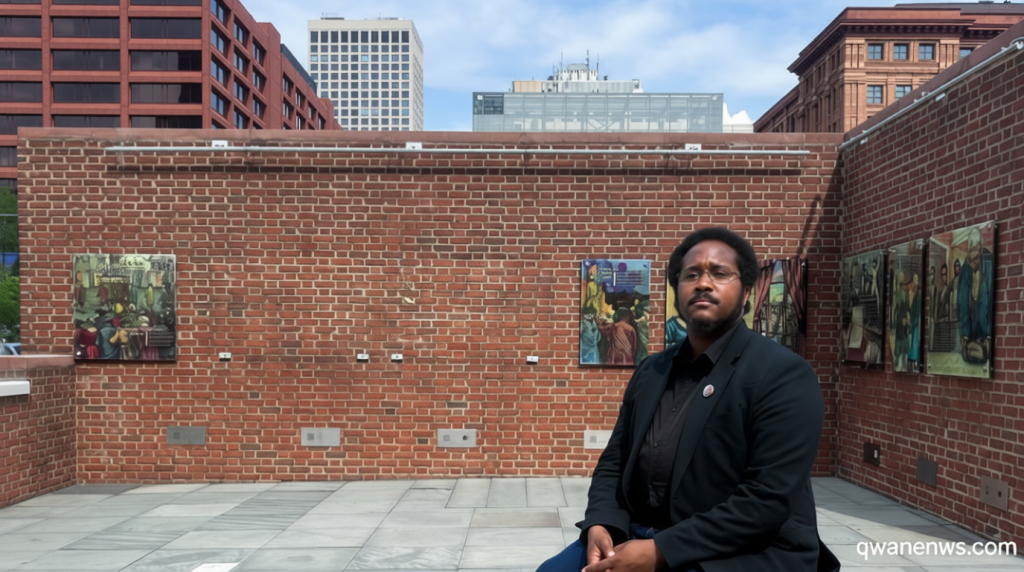
Local guides and historians, including Mijuel Johnson of The Black Journey, criticized the changes as an effort to obscure the harsh realities of slavery. Johnson described the moment of the exhibit’s partial dismantling as “a living historical moment,” stressing that Philadelphia’s history is deeply tied to the nation’s origins. The city filed a lawsuit to block the Trump administration’s revisions, arguing that the federal government overstepped its authority in reshaping historical truths without sufficient justification.
Community Reactions and Advocacy
“This Court is now asked to determine whether the federal government has the power it claims — to dissemble and disassemble historical truths when it has some domain over historical facts,” wrote US District Court Judge Cynthia Rufe in a February opinion. “It does not,” stated Rufe, siding with Philadelphia in the initial ruling.
The legal battle gained national attention after crews dismantled large display panels in January, a move captured on video by CNN affiliate WPVI. The original exhibit had acknowledged the enslavement of over 300 people at Washington’s Virginia plantation, with nine specifically serving in his Philadelphia household. Philadelphia’s victory in court initially preserved this narrative, but the Trump administration appealed, leading to a temporary pause in the restoration of the exhibit.
After a ruling in the Third Circuit Court of Appeals on June 18, the Department of the Interior (DOI) prevailed, allowing the revised exhibit to take its place. The new panels, released in April, emphasize historical context but reduce the focus on slavery’s brutality. Local advocates, however, argue that this revision softens the exhibit’s message, diluting the city’s commitment to presenting a comprehensive and unflinching account of its history.
Johnson, reflecting on the ruling issued the day before Juneteenth, noted the tension between preserving history and revising it under political influence. “The Trump administration fought to change the exhibit not just to reflect its own values, but to reshape how Americans view the nation’s founding,” he said. The decision has sparked discussions about the role of public institutions in maintaining historical accuracy, especially in the face of political pressure.
With the future of the exhibit uncertain, Philadelphia remains determined to safeguard its historical narrative. The city’s fight highlights a broader struggle over how to memorialize slavery in national spaces, ensuring its legacy is not overshadowed by revisions that may dilute its impact. Advocates argue that the exhibit is a critical part of the national story, one that must be preserved to educate future generations about the complexities of American history.