
US Reimposes Oil Sanctions After Iran Strikes Ships Near Strait of Hormuz
Qwenews.com – The United States has reimposed oil sanctions on Iran following a series of attacks on commercial vessels in the strategic Strait of Hormuz. This move by the Trump administration underscores the administration’s resolve to penalize Iran for its aggressive actions in the region, which have disrupted global oil supply routes. The decision comes after a federal official emphasized that “Iran will only benefit if it demonstrates responsible conduct,” signaling a shift in U.S. foreign policy toward stricter enforcement. The sanctions, which had been temporarily suspended during a short-lived truce, now threaten to escalate tensions between the two nations and reshape the dynamics of oil trade in the region.
Escalating Tensions and the Strategic Importance of the Strait
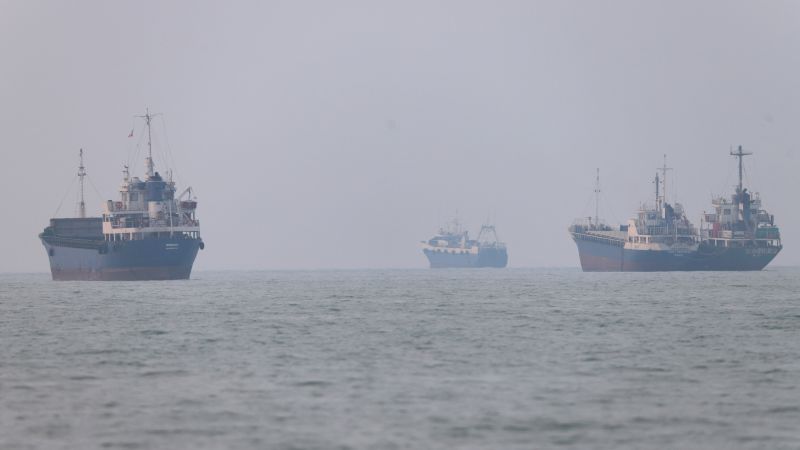
The Strait of Hormuz, a narrow waterway through which a significant portion of the world’s oil flows, has become a flashpoint for geopolitical conflict. The attacks on oil tankers and ships in June 2026, attributed to Iran, prompted immediate concerns about the security of critical energy infrastructure. While the U.S. had previously granted a 60-day waiver on oil sanctions to support the ceasefire agreement, the recent incidents have led to the revocation of that waiver. Buyers now have until July 17 to complete existing transactions without facing penalties, but the sanctions’ full impact will be felt in the coming weeks as new deals are negotiated.
Analysts note that the reimposition of sanctions is not just a punitive measure but also a strategic tool to pressure Iran into compliance. The Trump administration had tied the lifting of sanctions to Iran’s adherence to terms, including the demilitarization of the strait and commitments to halt its nuclear program. However, Iran’s continued attacks on vessels suggest that it views the strait as a vital corridor for its military operations, further complicating diplomatic efforts. The U.S. decision highlights the precarious balance between economic interests and geopolitical leverage in the region.
Oil Market Reactions and Global Implications
Global oil markets responded swiftly to the U.S. sanctions, with Brent crude rising 3% to $76 per barrel. U.S. crude, however, saw a more dramatic surge, climbing nearly 6% and reaching $70 for the first time since early July. This sharp increase reflects heightened fears of supply disruptions and a shift in investor sentiment. The previous 60-day reprieve had allowed prices to stabilize, but the reinstatement of penalties has reintroduced uncertainty into the market.
Iran’s repeated attacks on ships near the Strait of Hormuz have strained the ceasefire agreement, which was intended to ease tensions and ensure the free flow of oil. The U.S. Treasury’s notice, issued Tuesday, marked the end of this temporary relief, forcing buyers to reassess their exposure to Iranian oil. Analysts suggest that Western buyers had anticipated this outcome, seeking guarantees that their transactions wouldn’t face new restrictions. The sanctions also aim to deter other nations, such as China and India, from relying too heavily on Iranian oil, encouraging diversification of energy sources.
While China remains a key buyer of Iranian oil, the country’s exports in June totaled approximately 50 million barrels, mostly through covert fleets. This reliance on alternative buyers has raised questions about Iran’s ability to sustain its economic output without U.S. sanctions. The reimposition of penalties could further strain Iran’s economy, which already faces challenges from international sanctions and internal inflation. However, Iran’s Foreign Ministry representative, Esmaeil Baghaei, argued that the country was fulfilling its obligations under the memorandum of understanding with the U.S. and urged regional nations to avoid actions that “contradict” the agreement.
The U.S. sanctions also have broader implications for global energy security. By targeting Iran’s oil exports, the administration is sending a message to both its allies and adversaries that it will not tolerate disruptions to critical supply chains. This approach aligns with the focus keyword “US reimposes oil sanctions after,” as the move directly follows Iran’s provocative actions. The decision may prompt other nations to take similar measures, creating a ripple effect in international trade and diplomacy.
Iran’s Supreme Leader’s adviser, Mohsen Rezaei, criticized the U.S. during an interview with state television, stating, “It is quite clear that the U.S. will lead negotiations to failure.” This sentiment reflects Iran’s frustration with what it perceives as U.S. unilateralism and its reluctance to fully comply with international demands. The reimposition of sanctions marks a significant reversal of decades-long policy, which had previously allowed for more flexible dealings with Iran. As tensions persist, the long-term consequences for both the U.S. and Iran remain uncertain, with the potential for further escalations in the region.