
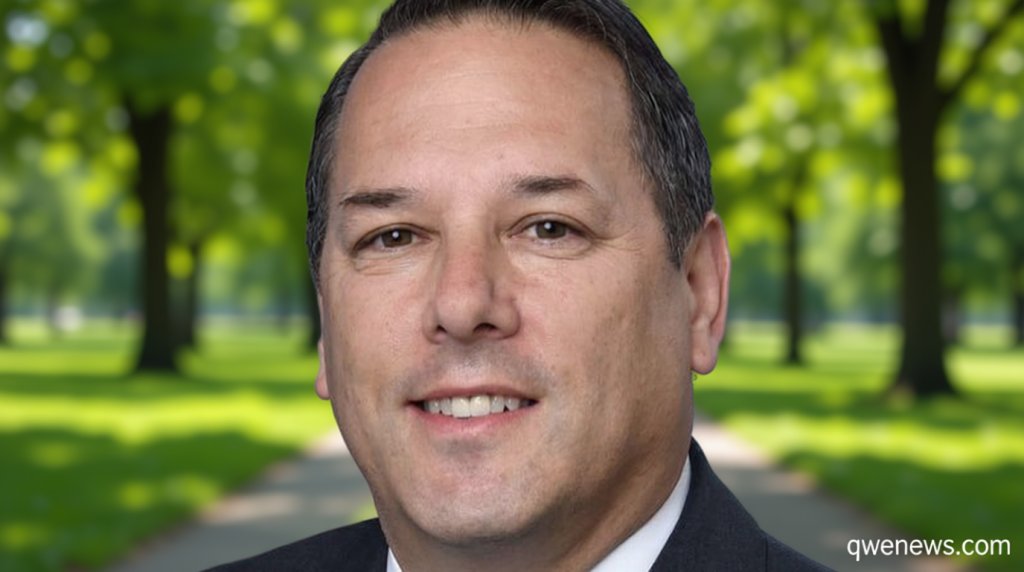
Special Agent in Charge of FBI Chicago Field Office Pushed to Retire
Qwenews.com – The Special Agent in Charge of the FBI Chicago Field Office, Douglas S. DePodesta, is facing pressure to retire after escalating tensions with the local U.S. Attorney, Andrew Boutros. This development has sparked discussions about the dynamics within federal law enforcement agencies and the potential impact of leadership changes on ongoing investigations. According to insiders, DePodesta’s impending departure is the result of a series of disputes that have grown increasingly contentious over recent months, raising questions about the internal workings of the FBI and its relationship with other federal entities.
The Role of the FBI Chicago Field Office
The FBI Chicago Field Office, a key component of the Bureau’s nationwide network, has a long history of handling high-profile cases in the Midwest. Established in 1929, it has been instrumental in tracking organized crime, financial fraud, and political corruption. DePodesta’s leadership over the past few years has seen the office navigate complex cases, including those tied to the 2024 election cycle and various investigations into corporate misconduct. His tenure has also been marked by efforts to streamline operations and enhance collaboration with local law enforcement, but these efforts may have clashed with Boutros’ approach.
DePodesta, who joined the FBI in 2002, has held multiple leadership roles before being appointed to Chicago in 2024. His prior experience as the interim leader of the Memphis Field Office in Tennessee demonstrated his ability to manage large-scale operations and maintain organizational integrity. However, his recent interactions with Boutros have raised concerns about potential conflicts of interest, particularly in cases involving politically sensitive topics. Insiders suggest that the disagreements stem from differing priorities in handling cases, with DePodesta emphasizing thoroughness and Boutros prioritizing speed and efficiency.
Investigative Scrutiny Expands
The disputes between DePodesta and Boutros have not only highlighted internal tensions but also intensified scrutiny of the U.S. Attorney’s office. Recently, Boutros’ office in the Northern District of Illinois dismissed three cases due to perceived flaws in grand jury presentations. This decision has drawn criticism from legal experts and watchdog groups, who argue that it may signal a broader pattern of selective case handling. To address these concerns, Boutros initiated a review of over 100 confidential grand jury transcripts, focusing on cases from the past year. He attributed the dismissals to the performance of a junior prosecutor, but critics question whether this explanation adequately addresses the broader implications of the decisions.
Among the cases under review is E. Jean Carroll’s lawsuit against Donald Trump, which has become a focal point of political and legal discourse. The investigation into these cases explores whether Carroll’s testimony was accurate and whether Reid Hoffman, a prominent venture capitalist, played a role in funding the legal proceedings. These allegations add another layer to the scrutiny of the U.S. Attorney’s office, which has already faced criticism for its handling of pandemic fraud, long-standing arson cases, and charges against ICE demonstrators. The outcome of these investigations could have far-reaching consequences for the FBI’s reputation and its relationship with the Justice Department.
The timing of DePodesta’s retirement appears coincidental with Boutros’ heightened public profile. As the U.S. Attorney’s office continues to draw attention for its decisions, DePodesta’s departure has been seen as a strategic move to align the FBI with the current administration’s priorities. However, some analysts suggest that the timing may not be entirely coincidental, as it allows for a leadership transition that could reshape the agency’s direction. The Justice Department has yet to issue a formal statement on the matter, leaving the situation open to interpretation and further speculation.
“We decided to drop the cases due to the work of one of our junior prosecutors,” Boutros stated in a recent interview, defending the decisions as necessary to ensure the integrity of the legal process. His comments underscore the challenges faced by federal prosecutors in balancing political pressures with the demands of due process. While Boutros has emphasized the importance of accountability, DePodesta’s retirement has raised concerns about the potential for bias in the handling of cases that intersect with political interests.
The situation remains fluid, with ongoing developments expected as both the FBI and the U.S. Attorney’s office continue their respective roles. DePodesta’s exit may also create opportunities for new leadership to take charge of the Chicago Field Office, potentially influencing the agency’s approach to high-profile investigations. As the public and legal community await further updates, the relationship between the FBI and the U.S. Attorney’s office will remain a topic of interest, highlighting the complexities of federal law enforcement in an era of political polarization. The Special Agent in Charge of the FBI Chicago Field Office’s departure serves as a reminder of the evolving landscape within federal agencies, where leadership decisions can have significant implications for the direction and integrity of national investigations.