
Turkey Blocks American LGBTQ Cruise, Citing Moral Standards
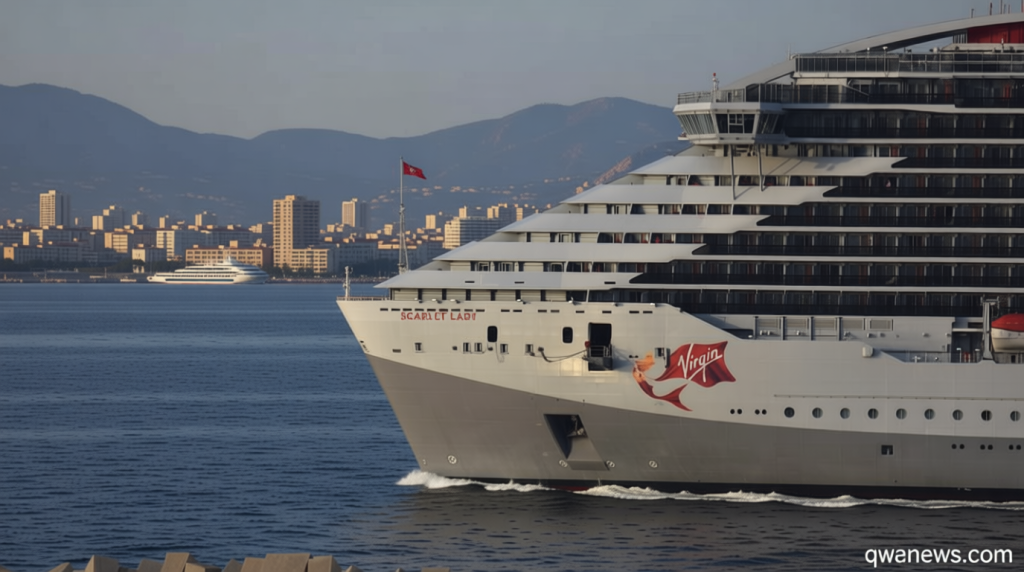
Qwenews.com – Turkey blocks American LGBTQ cruise, marking a significant shift in the country’s approach to welcoming international travelers. Turkish authorities have denied docking permissions to the Scarlet Lady, a cruise ship operated by Virgin Voyages, which was originally scheduled to embark on a Mediterranean voyage featuring American LGBTQ+ tourists. The decision stems from concerns over “moral standards” and “family values,” with officials in Aydin province, home to the coastal town of Kuşadası, citing that the ship is associated with groups that promote “behaviors incompatible with our society’s moral fabric.” This move has sparked debate about the treatment of LGBTQ+ travelers in Turkey and its broader implications for tourism and cultural exchange.
Political Context and Historical Precedents
Turkey’s actions align with its long-standing conservative policies toward LGBTQ+ rights. For over a decade, the ruling AK Party has expressed criticism of the community, often framing LGBTQ+ advocacy as a threat to traditional values. The government has repeatedly banned Pride events in Istanbul since 2015, citing public safety and cultural preservation. While the current incident involves a cruise, it reflects a pattern of restrictions on LGBTQ+ visibility, including laws against same-sex relationships and public displays of affection. This decision also follows recent efforts to curb LGBTQ+ representation in media and education, signaling a continued emphasis on moral conformity.
According to Rich Campbell, CEO of Atlantis Events, the company organizing the cruise, this is the first time in 36 years they have been explicitly instructed to avoid docking in Turkey due to the LGBTQ+ focus of the voyage. The 10-day trip, which was set to include stops in Kuşadası and Istanbul, now faces a revised itinerary to Cairo, Egypt, and Crete, Greece. Campbell emphasized that the cruise is designed for leisure, with no political agenda, and is simply an opportunity for travelers to enjoy cultural experiences while exploring the Mediterranean. The change has raised concerns about the fairness of Turkey’s approach to international tourism.
Impact on Cruise Industry and Tourism
The cancellation of the Scarlet Lady’s port in Turkey has had immediate effects on the cruise industry. Virgin Voyages, which has positioned itself as a leader in LGBTQ+ friendly travel, now faces challenges in maintaining its reputation in a country known for its strict social norms. The cruise, which was expected to carry over 1,000 American passengers and 1,100 others from the UK, Canada, and Australia, represents a major event for the Mediterranean tourism sector. By blocking the ship, Turkish officials have reportedly aimed to deter LGBTQ+ travelers, potentially affecting revenue from the U.S. market, which has become a key source of tourism income.
Campbell expressed disappointment over the decision, stating that it “undermines the spirit of cultural exchange” and sets a precedent for excluding travelers based on their identity. “We’re not asking for anything more than to enjoy the beautiful landscapes and rich history of Turkey,” he said, adding that Atlantis Events is committed to respecting all cultures while providing inclusive experiences. The revised itinerary, which now includes Cairo and Crete, may require additional logistical adjustments, such as accommodating more passengers in Egyptian ports or altering onboard activities to match the new destinations. Despite these changes, the cruise line remains hopeful that future trips to Turkey will be possible.
The decision has also drawn attention from international organizations and LGBTQ+ advocates. Some critics argue that Turkey’s actions reflect a broader campaign to limit LGBTQ+ visibility in public spaces, particularly in light of recent debates over anti-LGBTQ+ legislation. Others highlight the potential economic consequences, noting that the cruise industry is a vital contributor to Turkey’s tourism sector. However, officials maintain that the focus is on preserving cultural values, with one spokesperson stating that the LGBTQ+ community’s activities in the country “do not align with our national identity.”
Reactions and Broader Implications
CNN has contacted the Turkish Ministry of Culture and Tourism, the U.S. embassy in Ankara, and Virgin Voyages to seek further clarification on the grounds for the ban. The U.S. embassy has not yet commented, but the decision has been viewed as a potential point of diplomatic tension. Meanwhile, the cruise line is exploring alternative routes and has assured passengers that the revised itinerary will still offer a memorable experience. “The Mediterranean is full of breathtaking destinations, and we’re excited to share them with travelers who value both adventure and inclusivity,” Campbell said.
The incident underscores growing concerns about how countries balance cultural values with modern tourism trends. As more travelers seek inclusive experiences, Turkey’s refusal to accommodate LGBTQ+ cruises may affect its appeal to a global audience. However, the government remains steadfast in its stance, emphasizing that the ban is a necessary step to uphold societal standards. The situation has also reignited discussions about the role of international tourism in shaping cultural policies and the potential for such restrictions to influence perceptions of Turkey abroad.
With the Scarlet Lady now redirecting its route, the question remains whether this is a one-time event or part of a larger trend. The cruise line has stated it will continue to promote its LGBTQ+ friendly offerings, even if they are no longer available in Turkey. This incident serves as a reminder of the evolving dynamics between tourism and political values, highlighting the need for countries to navigate these intersections with care. As the Mediterranean remains a popular destination, the impact of Turkey’s decision on the overall tourism landscape will likely be closely monitored in the coming months.