
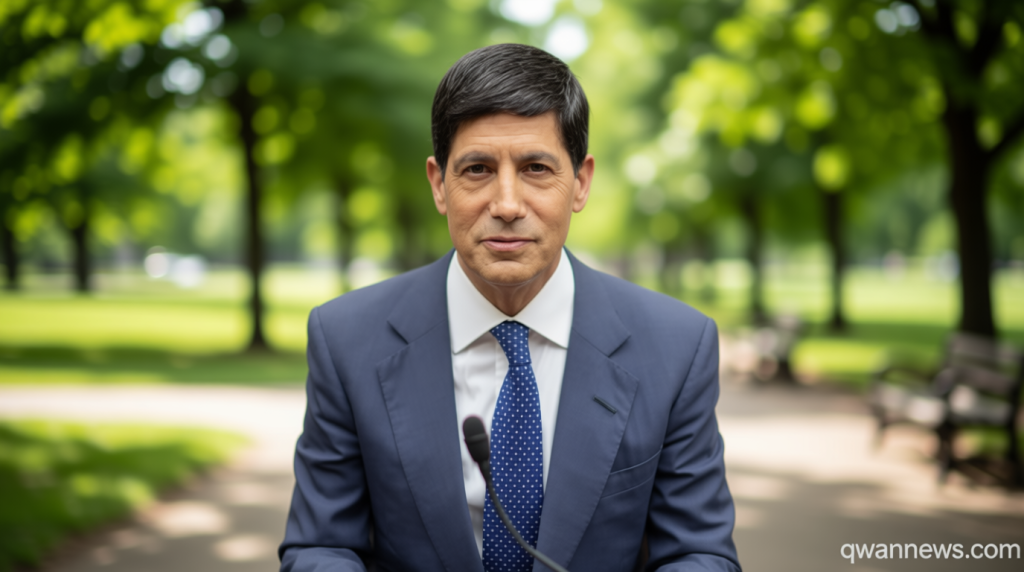
Takeaways from Fed Chairman Kevin Warsh’s First Congressional Testimony
Qwenews.com – On Tuesday, Federal Reserve Chairman Kevin Warsh addressed the House Financial Services Committee, outlining his vision for the central bank’s evolving strategies and the rationale driving them. This session marked his most detailed explanation yet of the transformative measures he aims to implement, including a comprehensive review of monetary policy frameworks. The Fed leader is set to appear before the Senate Banking Committee the following day, continuing his engagement with lawmakers on key economic issues.
Task Forces and Policy Recommendations
Warsh highlighted the creation of five specialized task forces designed to evaluate and propose improvements in critical areas of U.S. monetary policymaking. These include communications, balance sheet management, economic data analysis, productivity and employment dynamics, and inflation frameworks. During the session, he provided further insight into how these groups will operationalize their findings, emphasizing a structured approach to policy refinement.
“We don’t know the extent to which the economy will benefit from the AI buildout,” Warsh said in his opening remarks. “Yet it seems inevitable that what is now called ‘AI investment’ will soon be called just ‘investment.’”
He also confirmed that any adjustments to the Fed’s $6.7 trillion balance sheet will be communicated publicly before implementation. “If there were a change in balance sheet policy, we would preview it, explain it, debate it, and no changes in balance sheet policy would happen without good advance notice to the likes of this committee and broadly, financial markets,” he stated.
Balancing Independence with Political Pressure
Warsh faced repeated questions about the Fed’s political independence, particularly from Democratic Rep. Nydia Velázquez of New York, who asked if he aligned with Trump’s policies. The chairman reaffirmed the Fed’s autonomy, stating, “We’re an independent central bank.” “We’re honored to be independent,” he added, acknowledging that external political forces often influence the central bank’s decisions.
“My commitment to you is to follow the law and follow the data. Follow our very best judgment,” Warsh responded when pressed by Democratic Rep. Gregory Meeks of New York on how he’d handle Trump’s potential pressure to alter policy directions.
Despite past presidential efforts to sway the Fed, including Trump’s campaign for lower interest rates during his tenure, Warsh asserted that he has not made such pledges to the current administration. He emphasized his dedication to data-driven decisions and adherence to the central bank’s legal mandate.
AI as a Shaping Force
Warsh identified the rapid development of AI infrastructure as a pivotal factor influencing the U.S. economy. While acknowledging the uncertainty surrounding its full economic impact, he expressed confidence in its long-term potential. “Like previous positive technology shocks, the US will be richer, will be more productive, there’ll be more labor, there’ll be more wage compensation,” he noted, calling it “probably the biggest change in my adult lifetime.”
His optimism was echoed when discussing AI’s societal benefits with Republican Rep. Bryan Steil of Wisconsin. Warsh’s emphasis on innovation underscores his belief in technology’s role as a driver of economic growth and transformation.