
AI is powering an economy in which many Americans are falling behind
Economic Disparities in San Francisco
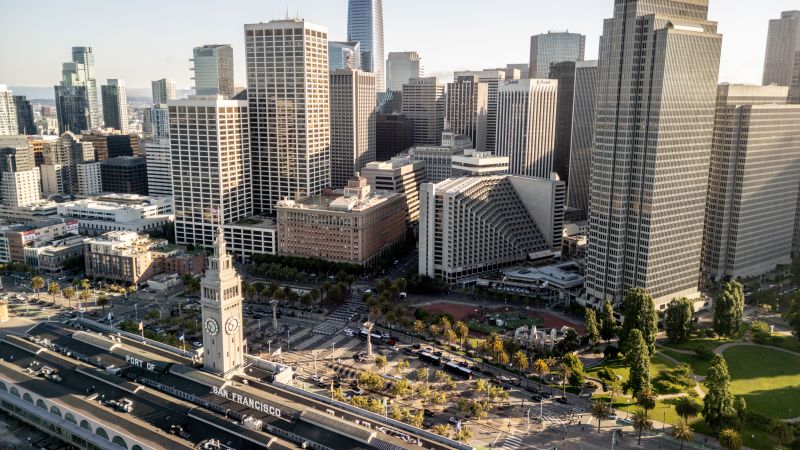
Qwenews.com – In San Francisco’s Richmond neighborhood, over 200 individuals are waiting for assistance from the community food pantry. This area lies just a few miles from “AI Alley,” a corridor housing prominent AI firms that generate massive investments and offer high-paying roles. Such opportunities have driven up housing costs and rent, creating a stark contrast between prosperity and struggle.
Broader National Trends
According to Commerce Department figures, the U.S. economy expanded at a 2.1% annualized rate in the first quarter of 2026. Much of this growth is attributed to increased AI-related spending by businesses. Yet, the Federal Reserve Bank of Atlanta reports that the lowest-income Americans have experienced the weakest wage gains of any demographic this year. Consumer confidence remains at historic lows, fueled by inflation and rising living expenses.
Impact on Working-Class Americans
Yves Xavier, director of community programs at the Richmond Neighborhood Center, noted that economic gaps in the city have widened significantly. “The inequalities in the neighborhood have just grown and grown and grown,” he said. While AI’s influence is evident, Xavier emphasized that these disparities predate the technology boom. However, the connection is clear: AI-driven advancements are intensifying existing divides. The center’s food pantry demand has risen by about 10% this year, underscoring the strain on lower-income households.
AI and Wealth Concentration
Experts highlight how AI is amplifying wealth disparities. Oxford Economics reports that billions in funding have created a new class of high-earning professionals in tech hubs like San Francisco, New York, and Washington, DC. Moody’s estimates that the top 10% of earners now account for up to 62% of economic growth through their spending. Manuel Pastor, director of the Equity Research Institute, explains that this wealth concentration benefits AI startups, founders, and early employees, deepening the divide between economic winners and losers.
Challenges for Traditional Workers
The AI surge is also reshaping opportunities for creatives and others in non-tech sectors. “What people put on the internet or into books is being privatized by these AI companies,” Pastor stated. This trend leaves artists, musicians, and writers struggling to monetize their work. Meanwhile, traditional industries face reduced investment as businesses prioritize AI-driven innovation. Maxime Darmet, a senior economist at Allianz Trade, observed that excluding AI, business spending would have declined, a rare occurrence outside of recessions.
A Growing Crisis
The gap between AI-fueled economic gains and everyday challenges for millions of Americans continues to widen. “The inequalities here are very, very stark,” Xavier remarked. While AI companies like SpaceX and OpenAI capture public attention, their success contrasts sharply with the struggles of those left behind. SpaceX’s recent IPO, which valued the firm over $2.1 trillion, and the upcoming offerings from OpenAI and Anthropic, both based in San Francisco, reflect the industry’s momentum. Yet, for many, the benefits of this progress remain out of reach.
Systemic Inequality
Crunchbase data shows that San Francisco-based firms hold nearly two-thirds of global AI funding. This highlights a systemic issue: the technology sector’s growth is often at the expense of broader economic stability. As AI reshapes industries, lower-income workers and recent graduates face mounting challenges, from job scarcity to financial strain. The result is a growing sense that the American economy is favoring a select few while leaving others behind.