
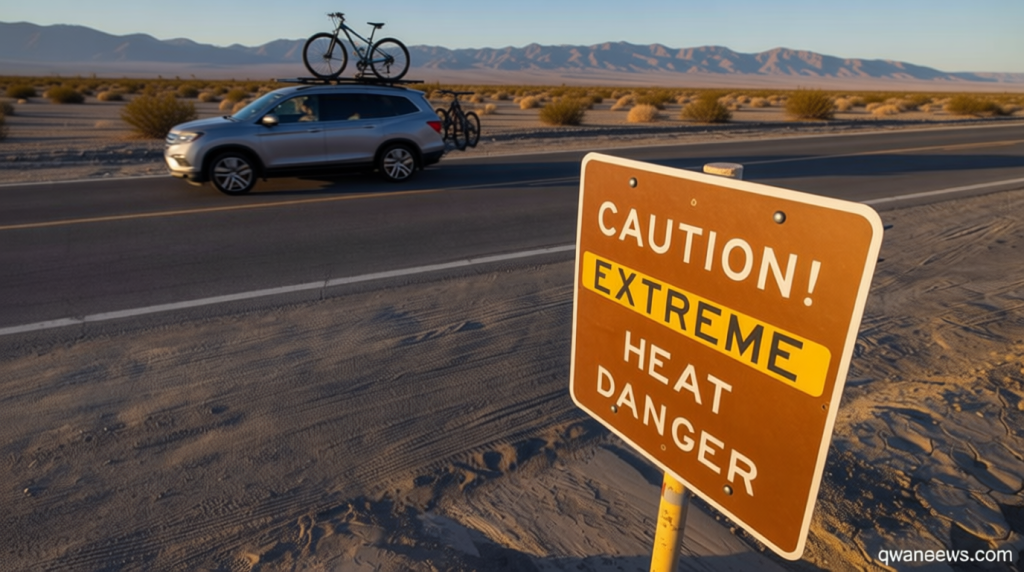
Traveling to a heatwave zone: Here’s what tourists need to know
Qwenews.com – Extreme heat is disrupting travel plans in iconic tourist spots worldwide, prompting concerns about safety and itinerary adjustments. As scorching temperatures persist, travelers are asking critical questions: Are destinations safe? Can refunds be obtained? How to stay cool? Here’s a breakdown of the current situation and practical advice for those planning trips during this intense heat.
Heatwave Impact on Destinations
From the U.S. to Europe, record-breaking warmth is causing significant strain on popular vacation spots. In the United States, the Grand Canyon National Park is expected to see temperatures of 110°F (43°C) or higher at Phantom Ranch this week, according to the National Weather Service. This has led the National Park Service to recommend avoiding midday hikes after a surge in heat-related incidents, including two fatalities on the North Kaibab Trail.
Across Europe, officials in France, Spain, and the United Kingdom have issued health alerts due to extreme weather. France recorded its hottest night since 1947, with provisional data showing 37.8°C (100°F). Meanwhile, towns in Spain, such as Andújar, have experienced record highs of 113°F, as reported by AEMET. In the UK, schools are closing as temperatures rise, and the Met Office has raised a rare heat-health warning, highlighting the threat to life.
“Humidity is also a factor, making this heatwave even more impactful with heat stress a danger to all,” the Met Office stated in a Monday alert.
Adapting Travel Plans
With heat alerts active in 23 European countries—Germany, France, Spain, Switzerland, and Luxembourg at the highest level—travelers may face challenges in sticking to their original schedules. In high-heat regions, sightseeing could slow down, requiring adjustments to itineraries or cancellations, especially for vulnerable groups like the elderly and children.
Those visiting areas prone to floods, wildfires, or typhoons should monitor local safety guidelines. Authorities may close attractions or issue evacuation orders, so staying informed is crucial. While many trips can proceed with caution, some situations might justify rescheduling or canceling to avoid risk.
Essential Travel Tips
Timing is key to navigating the heat. Temperatures often peak in the early evening, so starting activities before 11 a.m. can reduce exposure. Stay hydrated by drinking more water than usual, as advised by the CDC, and avoid waiting until thirst sets in.
Opt for cooling methods like cool showers and frequent hand-washing with water. In Europe, public fountains offer an easy way to refresh. For comfort, wear breathable, lightweight clothing and use fans, even small handheld ones, to manage body temperature. When eating, choose water-rich foods such as raw vegetables, fruits, or salads to aid hydration.
Italian authorities recommend spending at least three hours daily in air-conditioned spaces, like museums or restaurants, to combat the heat. These steps can help mitigate risks and ensure a safer, more enjoyable experience during the ongoing heat crisis.