
Trump administration charges 455 in healthcare fraud crackdown
Qwenews.com – The Trump administration has taken a major step in its fight against healthcare fraud by charging 455 individuals, including medical professionals, with a total of $6.5 billion in false claims. This sweeping action, announced by the Justice Department, targets a wide array of fraudulent schemes, ranging from opioid abuse to improper billing practices within Medicare and Medicaid programs. The charges reflect the administration’s ongoing commitment to addressing systemic corruption in the healthcare sector and protecting taxpayer funds. With 90 doctors among the defendants, the operation underscores the government’s focus on holding healthcare providers accountable for their roles in financial misconduct.
Targeting fraudulent networks across the country
This large-scale takedown involves collaboration between federal agencies and law enforcement teams in 45 states and territories, marking the most extensive operation in the program’s history. Health Secretary Robert F. Kennedy Jr. highlighted the importance of cross-state coordination, stating that the effort aims to dismantle networks that exploit the healthcare system for personal gain. The initiative includes detailed investigations into billing practices, prescription fraud, and administrative deceit, ensuring that both individual actors and organized groups are held responsible.
Case of Kaiden Francis illustrates patient harm
One of the most tragic examples within the charges is the case of Kaiden Francis, an 18-year-old athlete whose death was linked to a cardiovascular test approved by a fraudulent doctor. The test, which was part of an opioid-related scheme, allegedly missed critical signs of heart enlargement, leading to his untimely demise. This incident highlights the broader impact of healthcare fraud on patients, as fraudulent practices can result in life-threatening errors and unnecessary costs. The administration emphasizes that such cases are pivotal in demonstrating the consequences of unchecked misconduct.
Proactive measures to prevent fraud before it occurs
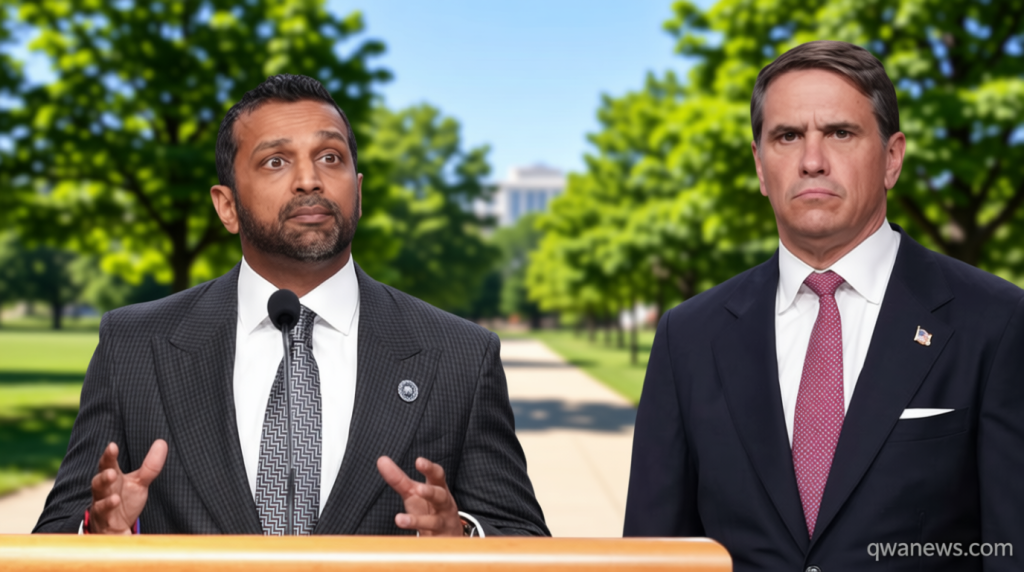
Acting Attorney General Todd Blanche reiterated the Justice Department’s strategy of proactively identifying and addressing fraudulent activities. In a press conference, he stated,
“This is just the beginning. Fraudsters can no longer rip off American taxpayers. If you seek to harm or cheat Americans, we will find you, seize any assets, and prosecute you to the fullest extent of the law.”
The approach includes real-time monitoring of claims, enhanced audits, and partnerships with healthcare providers to flag suspicious patterns. These measures are designed to prevent losses before they accumulate, ensuring a more transparent and accountable system for patients and payers alike.
Major schemes uncovered in key states
Investigations revealed several high-profile cases tied to the takedown, including a $2 billion Medicare fraud scheme in Arizona and a $906 million operation in Texas involving false wound care claims. In California, a hospice owner was accused of paying a funeral home employee to obtain information on deceased patients, enabling fraudulent billing. These examples showcase the diverse methods fraudsters employ, from overcharging for services to manipulating patient records. The administration’s focus on these large-scale schemes aims to send a clear message about the severity of the issue and the need for strict enforcement.
Historical context and growing enforcement efforts
With 295 defendants and over $518 million in Medicaid false claims, this operation is the Justice Department’s largest healthcare fraud crackdown in its history. It builds on last year’s takedown, which charged 324 individuals with $14.6 billion in alleged fraud, setting a precedent for this year’s expanded scope. The administration’s aggressive stance reflects a broader trend of targeting healthcare fraud, especially in the wake of the opioid crisis and rising concerns about medical billing practices. These efforts are part of a multi-year campaign to restore trust in the healthcare system and ensure financial accountability.
Political bias and public response
While the administration has praised the operation as a necessary step to combat fraud, some Democratic-led governors have raised concerns about political bias. They argue that the charges disproportionately target individuals and organizations aligned with the Trump administration, suggesting a broader effort to shape policy through legal action. Despite these criticisms, the focus on healthcare fraud remains central to the initiative, with officials emphasizing that the charges are based on concrete evidence of financial misconduct. The public reaction has been mixed, with some applauding the crackdown and others questioning its fairness and thoroughness.