
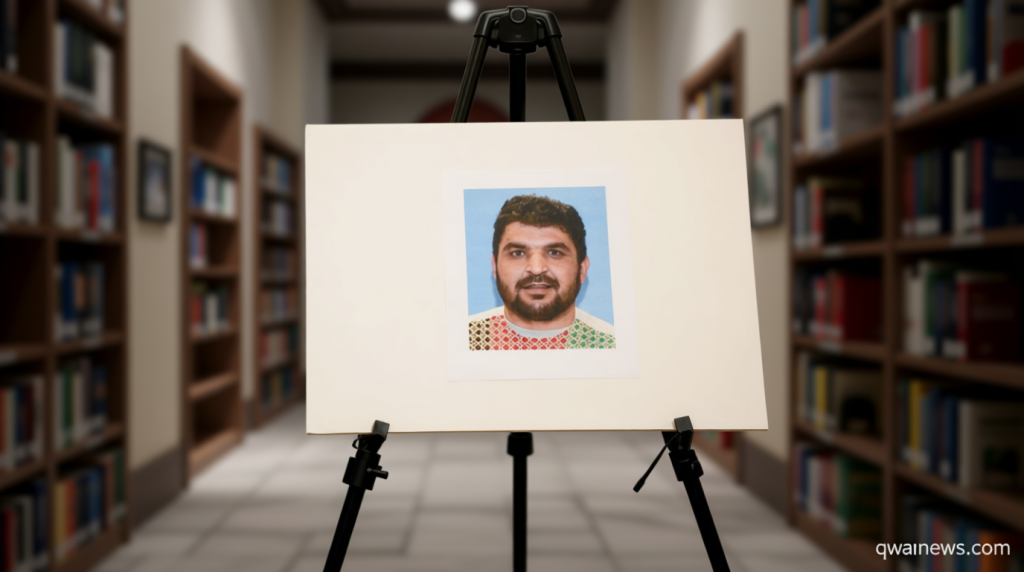
Man Accused of Shooting Two National Guard Members Hospitalized for Refusing Food in Custody
Qwenews.com – A man accused of shooting two National Guard members has been hospitalized after refusing to eat in jail, raising concerns about his health and the potential implications for his trial. Rahmanullah Lakanwal, the suspect charged with the fatal ambush of two officers in Washington, DC, in early 2025, has been placed under medical observation due to his declining physical condition. His refusal to consume food or water has led to complications, prompting an emergency legal review to determine whether his health issues could affect the proceedings. The case has drawn significant public attention as it highlights the severity of the charges and the defendant’s defiant stance during his detention.
Health Crisis Sparks Legal and Medical Intervention
On Thursday, DC federal Judge Amit Mehta convened an emergency hearing to address Lakanwal’s deteriorating health. The judge emphasized that the defendant’s refusal to eat had become a critical issue, noting that his condition had worsened despite multiple attempts to encourage him to take in sustenance. “His health is in serious jeopardy, and we must ensure he receives the necessary care,” Mehta stated, underscoring the urgency of the situation. The medical team at George Washington University Hospital reported that Lakanwal was admitted in a weakened state, with signs of dehydration and potential malnutrition.
“We are closely monitoring his vitals and are preparing for further interventions if his condition does not improve,” said a hospital spokesperson during a press briefing. “This is a rare but serious case of a detainee refusing food for an extended period, which could lead to life-threatening complications.”
The US Marshal Service informed prosecutors two weeks prior about Lakanwal’s refusal to eat, which had been a consistent pattern since his arrest. Legal experts suggest that the defendant’s behavior could be a strategic move to weaken his physical state or a sign of psychological distress. The judge has authorized the release of medical records from the past 48 hours, which will be scrutinized to determine whether Lakanwal’s condition warrants special treatment or if it could impact his ability to stand trial. This development has also prompted discussions about the adequacy of jail healthcare systems in managing such cases.
Shooting Incident and Criminal Charges
The shooting occurred in late December 2024, when Lakanwal allegedly ambushed two National Guard members at a Washington, DC, street intersection. According to the indictment, he fired multiple rounds at the officers, resulting in the death of Sarah Beckstrom, 32, and the wounding of Andrew Wolfe, 29. Both were on duty during the incident, which has been described as a targeted attack by prosecutors. Lakanwal, who had previously pleaded not guilty, faces nine charges, including first-degree murder, attempted murder, and assault with a deadly weapon.
“The evidence presented indicates a premeditated act, with Lakanwal demonstrating intent to harm the officers,” said Assistant US Attorney Jordan Rourke during the hearing. “However, his refusal to eat may now shift the focus of the trial toward his mental and physical health.”
The incident has sparked debates about the role of National Guard members in high-risk environments and the security protocols in place. Witnesses reported that Lakanwal had been seen arguing with local residents before the attack, suggesting a possible motive of retaliation or protest. Law enforcement officials have stated that the suspect’s background, including his work with the Central Intelligence Agency in Afghanistan, has been a key factor in the case. His actions have been framed as both a personal and political statement, with some analysts linking the attack to broader tensions over military presence in the city.
Background of the Defendant and Prosecution Strategy
Rahmanullah Lakanwal, originally from Afghanistan, had lived in Washington state for several years before relocating to the nation’s capital in late November 2024. His CIA experience, which spanned over a decade, has been highlighted by prosecutors as evidence of his knowledge of surveillance and tactical operations. However, his defense team argues that his past work does not directly relate to the shooting incident, which occurred during a routine patrol.
“Mr. Lakanwal’s background is being used to paint him as a dangerous individual, but the evidence against him is circumstantial,” stated his attorney, Lisa Chen, during the hearing. “We are requesting a postponement of the trial to assess his health and ensure a fair process.”
The Justice Department has expressed its commitment to pursuing the death penalty for the murder of Beckstrom, citing the severity of the crime and the suspect’s history of violence. However, the defendant’s current health status has introduced new legal complexities, with his defense arguing that his ability to cooperate during the trial may be compromised. This has led to calls for a medical evaluation to determine whether he is fit to stand trial or if he should be transferred to a facility with better nutrition and care options.
Public Reaction and Broader Implications
The case has ignited a national conversation about the balance between justice and detainee welfare. Social media platforms have been flooded with posts expressing outrage over the shooting, while others have focused on Lakanwal’s refusal to eat as a symbol of his defiance. National Guard officials have emphasized the bravery of the officers involved, with one veteran stating, “They risked their lives for the public, and now they’re facing a trial in a situation that’s out of their control.”
Meanwhile, legal advocates are calling for reforms in jail healthcare systems, arguing that the incident highlights systemic failures in addressing the needs of detainees. “This case is a wake-up call for facilities across the country to ensure that inmates with medical concerns receive timely attention,” said a spokesperson from the American Civil Liberties Union. The broader implications of the case also extend to discussions about the treatment of individuals accused of violent crimes and the psychological effects of prolonged detention.
Next Steps in the Legal Process
With Lakanwal’s health now a central issue, the court is expected to decide on the next steps in his legal process. The judge has ordered a medical evaluation and may consider granting him temporary release or adjusting his diet to prevent further decline. Prosecutors have also indicated that they will use the hospitalization as part of their strategy to demonstrate the defendant’s awareness of his actions and the gravity of the charges.
Additionally, the case will be closely watched by legal experts and journalists, as it could set a precedent for how health-related defenses are handled in high-profile trials. The timeline for the trial remains uncertain, with the possibility of a delay if Lakanwal’s condition worsens. As the legal battle continues, the public awaits updates on whether the defendant’s health will influence the outcome of the case or if the charges will proceed as planned.
Meanwhile, the National Guard members’ families have expressed mixed emotions, acknowledging the bravery of the officers while also raising questions about the fairness of the trial. “We are grateful for their service but concerned about the circumstances under which they will be judged,” said the mother of Sarah Beckstrom. The case is likely to remain a focal point for discussions about justice, health, and the role of the National Guard in urban settings for months to come.