
A Mexican Village Warned of Cartel Attacks Before World Cup Begins
The Drone Strikes in Guajes de Ayala
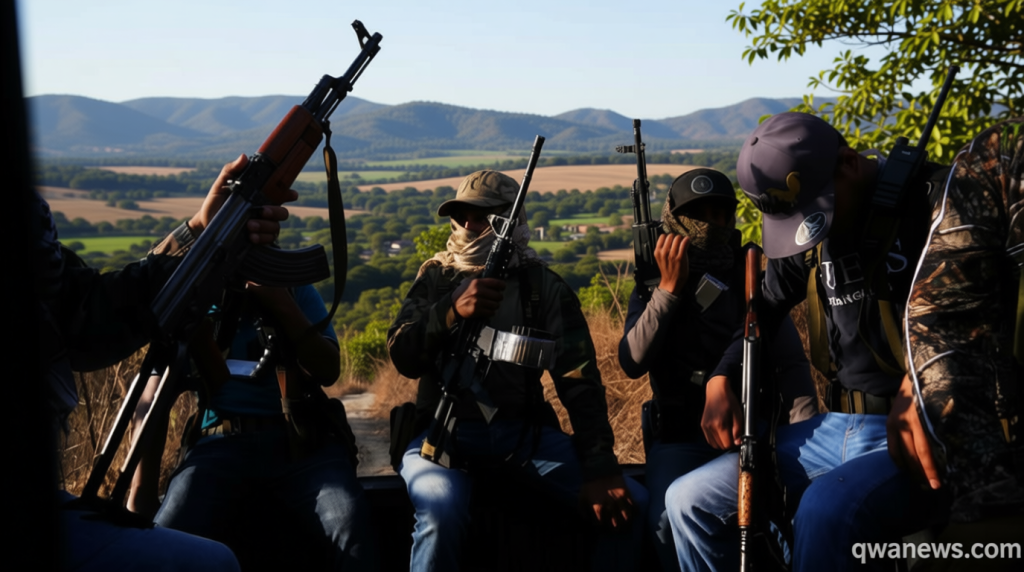
Qwenews.com – Guajes de Ayala, a secluded cluster of villages in central Mexico, faced a brutal assault by drone-launched bombings just days before the World Cup commenced. Residents had long expressed concerns to state authorities, highlighting the cartel La Nueva Familia Michoacana’s planned offensive. Despite these warnings, the community’s fears materialized into reality as the attacks erupted at 6 a.m., disrupting the peaceful atmosphere of the region. The drones, carrying explosives, targeted homes and gathering spots, leaving a trail of destruction and fear in their wake.
Marilu Solorio, a 24-year-old survivor, described the chaos in a phone interview. “While some are celebrating goals, others are getting massacred by drones,” she said, recounting the panic as the bombs detonated overhead. The village’s self-defense group, already under pressure from cartel threats, was caught off guard by the scale of the assault. With gunfire echoing through the hills and smoke rising from damaged structures, residents fled to a makeshift shelter—a former medical clinic that became a temporary refuge for over 70 people.
A Security Strategy in Disarray
Mexican authorities had been aware of the looming threat for weeks, yet their response lagged. State officials in Guerrero received videos of drones circling the area and tracked cartel movements toward the village, but resources were diverted to secure major World Cup host cities like Mexico City, Guadalajara, and Monterrey. This prioritization of urban security left rural regions exposed, creating a stark contrast between the safety of cities and the peril faced by communities like Guajes de Ayala.
President Claudia Sheinbaum’s administration faced mounting criticism as the violence escalated. The government deployed 100,000 security personnel to ensure the safety of the tournament, a move that drew attention away from areas where the cartel’s influence was strongest. While the focus on high-profile cities was necessary to prevent disruptions, it also highlighted a growing imbalance in the national security strategy. “Instead of protecting people in the places where they’ve been playing the World Cup, (Mexico’s government) should be protecting people like us, who have never done anything wrong,” said a local activist, echoing the frustrations of many in the region.
As the World Cup gripped global attention, the attacks in Guajes de Ayala were overshadowed by the excitement of matches and fan celebrations. However, the tragedy underscored the vulnerability of rural populations to cartel violence. Mexican officials later acknowledged the delayed response, with the Security Cabinet stating that “events described in news articles have been ruled out” while promising to send forces to investigate. Yet, the absence of state presence in the area during the attacks raised questions about the effectiveness of the security plan.
Widespread Violence Beyond Guajes de Ayala
The cartel conflict in Guajes de Ayala was part of a larger pattern of violence across Mexico. In northern Sinaloa, criminal clashes over the weekend claimed the lives of a naval officer and ten suspected gang members. Meanwhile, in southern Veracruz, the body of a kidnapped journalist was found with ties to the cartel, further illustrating the reach of organized crime. Chiapas, another hotspot for cartel rivalries, reported eight corpses discovered in a pile, accompanied by explicit messages meant to intimidate local communities.
These incidents collectively reveal the extent of Mexico’s security challenges. While the World Cup drew international focus, the government’s allocation of resources to urban centers left rural areas with minimal protection. This lack of preparedness in regions like Guerrero and Chiapas resulted in higher casualties and a slower response to threats. The drone attacks on Guajes de Ayala became a symbol of the broader neglect of rural security, prompting calls for a more balanced approach to combatting cartel violence.
As the World Cup progressed, the government faced pressure to address the crisis in Guajes de Ayala. Local leaders urged federal intervention, emphasizing the need for a security strategy that prioritizes both urban and rural areas. The incident also sparked discussions about the role of community self-defense groups in protecting villages from cartel aggression. Despite these efforts, the attack highlighted the ongoing struggle between law enforcement and organized crime, with residents left to endure the consequences of delayed action.