
Exclusive: US Commanders Ignored Outdated Intelligence Before Iran School Strike, Sources Say
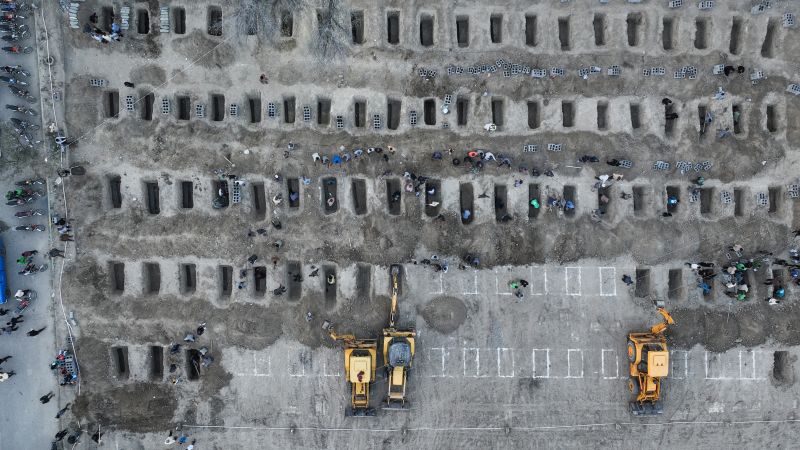
Qwenews.com – Exclusive details reveal that U.S. military commanders overlooked critical warnings about aging intelligence data prior to a strike that hit a school in Iran, according to three confidential sources. This oversight, which occurred during the early stages of the operation, led to the approval of an attack that mistakenly targeted a civilian site, resulting in the loss of nearly 200 lives. The incident has raised serious concerns about the accuracy of intelligence used in decision-making, with the U.S. military now investigating the root causes of the error.
Decision-Making Process and Urgency
Exclusive sources emphasized that the decision to proceed with the strike was driven by the need for speed, as U.S. forces aimed to secure strategic targets rapidly. Despite the availability of updated intelligence in key databases, commanders opted to bypass alerts that flagged outdated information. This choice created a gap in the verification process, leaving critical sites like the school vulnerable to misidentification. The haste to act was attributed to the pressure of securing high-priority objectives before the operation could be delayed.
“The intelligence was clearly old, but they pressed forward,” said one source. “It was a matter of prioritizing mission-critical targets over thorough checks.”
Intelligence Systems and Data Delays
Exclusive reports indicate that the targeting process relied on a combination of manual and automated systems, both of which contained outdated data. The Modernized Integrated Database (MIDB), established in the 1980s, was often the primary reference for strike targets, requiring analysts to manually update records. Meanwhile, the Machine-Assisted Analytic Rapid-Repository System (MARS), a newer tool, failed to integrate these updates in time. This inconsistency left some sites, including the IRGC facility near the school, with information over a decade old.
Exclusive details show that even satellite imagery, which could have clarified the school’s status, was not fully analyzed before the strike. Images from 2013 depicted the school and the military compound as adjacent, but by 2016, a fence had been installed to separate them. This change was not reflected in the targeting databases, contributing to the confusion. The strike, which occurred on February 28, was the first day of U.S. military operations against Iran, underscoring the rapid pace of the decision-making process.
Consequences and Public Reaction
Exclusive accounts highlight the immediate consequences of the intelligence lapse, including the tragic loss of civilian lives. The attack sparked outrage among the Iranian public and international observers, who questioned the U.S. military’s preparedness. Exclusive sources noted that while the strike was initially justified as a tactical move, the lack of updated data cast doubt on its precision. The U.S. government has since reiterated its commitment to minimizing civilian casualties, though the incident remains a point of contention.
Exclusive statements from U.S. officials suggest that the error was not intentional but rather a result of procedural oversights. The Pentagon has not yet released a comprehensive report, but officials acknowledge that the targeting systems were not adequately cross-checked. This admission has fueled calls for reform in how intelligence is managed during high-stakes operations. Meanwhile, President Donald Trump has continued to advocate for a broader military response, despite the incident highlighting the risks of relying on incomplete data.
Review of Targeting Protocols
Exclusive analysis of the operation reveals that the targeting protocol was designed to streamline decision-making but left room for errors. Senior officers were responsible for approving strikes, yet the process allowed for the use of outdated information without full review. Exclusive sources stressed that this system prioritized speed over accuracy, particularly in the early stages of the campaign when time was limited. The school’s location was not re-evaluated in time, leading to its inclusion on the strike list without confirmation of its status as a civilian facility.
Exclusive findings also point to a broader issue within the intelligence infrastructure. While the U.S. military had access to real-time data, the integration of this information into targeting systems was inconsistent. This disconnect between intelligence collection and strike planning has been identified as a key factor in the mistake. The incident has prompted a re-examination of how intelligence is validated before attacks, with calls for more rigorous checks and updated systems to prevent similar errors in the future.
Exclusive coverage of the event underscores the importance of accurate intelligence in military operations. As the U.S. continues its campaign against Iran, the school strike serves as a reminder of the critical role that timely data plays in ensuring mission success and minimizing collateral damage. The ongoing investigation aims to uncover the full extent of the intelligence lapses and determine how such a mistake could be avoided in subsequent strikes.