
Exclusive: Ex-Trump Official Hails US-Iran Deal as Economic Lifeline
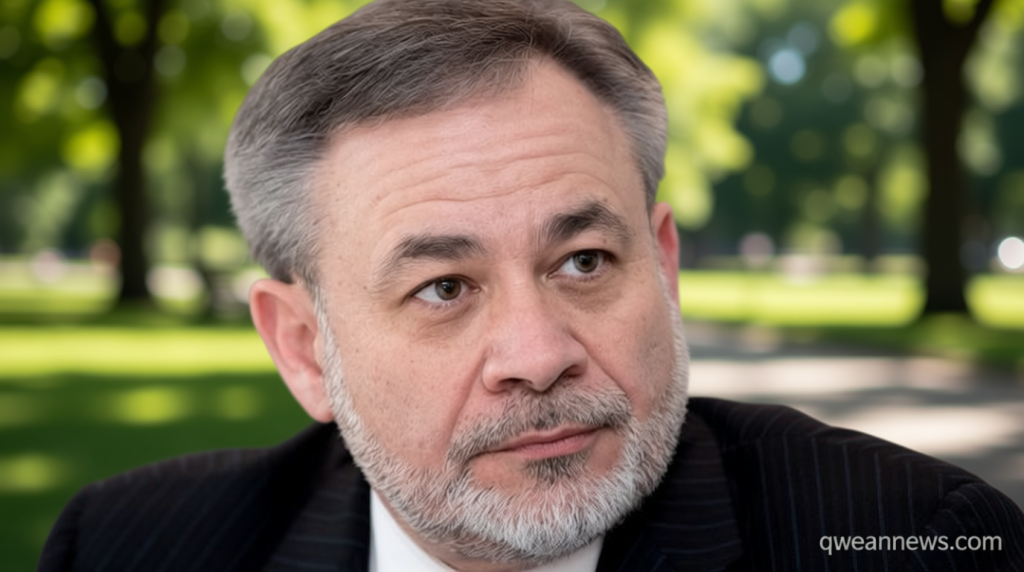
Qwenews.com – Exclusive insights suggest that the US-Iran framework has sparked renewed optimism for Iran’s struggling economy, according to Dan Brouillette, a former Trump administration energy secretary. In a recent interview with CNN, Brouillette emphasized the 14-point agreement—signed by President Donald Trump last week—as a pivotal step toward economic recovery for Iran, underscoring its potential to provide critical relief amid years of sanctions and global market disruptions.
Framework Offers Immediate Relief
The framework, now in place, allows Iran to restart oil exports and fuel sales, which are essential for stabilizing its economy. Brouillette, who is currently a visiting fellow at Columbia University’s Center on Global Energy Policy, called the agreement a significant milestone, noting its capacity to restore Iran’s access to international markets. This move could inject liquidity into the country’s finances and ease pressure on its currency, which has been under strain for months.
“It’s enormously helpful to them,” Brouillette stated. “Part of being optimistic is that they’re going to have some of this infrastructure rebuilt, so they have an economic future.”
Pressure from US Sanctions
US sanctions had been a major force in shaping Iran’s negotiation strategy, with Brouillette acknowledging their effectiveness in pushing Tehran toward compromise. He explained that the economic restrictions had forced Iran to prioritize diplomatic engagement, as the nation’s oil exports and access to global trade were at risk of being cut off entirely. The agreement, therefore, represents a strategic concession by the US to secure Iran’s cooperation.
“The people of Iran need to be optimistic about their future,” he added. “They’re not forever reserves, you know? If you’re drawing down on them, at some point you do reach a point of no return.”
Bipartisan Concerns Emerge
While the framework is seen as a positive step, some critics argue it may be too lenient for Iran. Former Vice President Mike Pence recently called the deal “smacks of” appeasement, and Senator Bill Cassidy labeled it the worst foreign policy blunder in decades. However, Brouillette cautioned that the agreement’s success depends on Iran’s adherence to its commitments, warning that continued support could incentivize further geopolitical actions.
“We’re going to have to keep an eye on that. If they return to funding proxies around the world again, I say all bets are off,” Brouillette warned.
Generosity to Iran Raises Red Flags
Brouillette expressed concerns about the agreement’s terms, particularly the immediate release of oil sales rights. He noted that this provision could grant Iran up to $60 billion annually, offering a substantial financial boost but also raising questions about its long-term consequences. “Perhaps I would have done things a little differently… I want to see more performance, if you will, before I would release sanctioned funds or create some new fund for the rebuilding of Iran,” he said, highlighting the need for accountability.
Performance-Based Conditions
US officials have clarified that the framework is tied to Iran’s compliance with specific conditions, including reduced nuclear activity and adherence to military restrictions. Vice President JD Vance reiterated that economic relief could be adjusted based on Iran’s behavior, stating, “As they dial up their good behavior, we can dial up the economic relief. If they dial down their good behavior, we can turn it off.” This conditional approach aims to balance immediate benefits with long-term strategic goals.
“We’re not just giving them a gift. We’re creating a framework that rewards progress and penalizes regression,” Vance remarked.
Strategic Vulnerabilities Highlighted
Brouillette also pointed to Iran’s strategic vulnerabilities, particularly its reliance on oil exports and the control of the Strait of Hormuz. He warned that while the agreement provides short-term relief, Iran’s ability to disrupt oil shipments remains a key threat to global markets. “Can they do it again? Yeah, of course they can,” Brouillette said, emphasizing that the framework should not be viewed as a permanent solution but as a temporary measure to prevent an economic collapse.
“There’s still a lot of uncertainty, and we have to be prepared for any setback,” he concluded.