
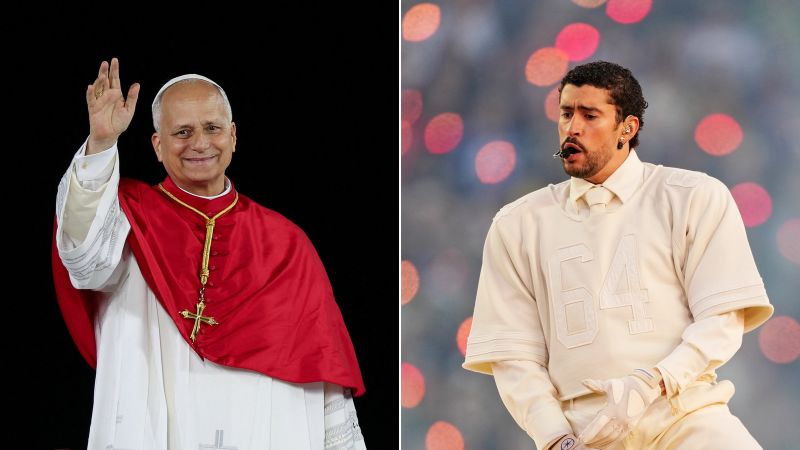
Pope Leo XIV Meets Bad Bunny in Spain: A Cultural Encounter Without Visual Records
A Historic Meeting in the Heart of Madrid
Qwenews.com – In a surprising and widely anticipated event, Pope Leo XIV engaged in a meeting with Bad Bunny, the renowned Puerto Rican reggaeton artist, during his visit to Spain. This encounter, which took place in Madrid, highlighted the intersection of faith and contemporary music, drawing attention to the Pope’s efforts to connect with diverse cultural figures. Despite the event’s significance, no official photographs of the meeting were released, leaving many fans and media outlets disappointed. The Vatican, however, confirmed the meeting occurred in a private setting, emphasizing the importance of personal dialogue over public spectacle.
The Pope’s decision to meet with Bad Bunny underscores his strategy of engaging with modern influencers to spread his message. While the meeting itself was brief, it symbolized a broader initiative to bridge the gap between traditional religious teachings and the vibrant culture of today’s youth. Bad Bunny, known for his global impact and unique musical style, was chosen to represent the cultural pulse of Spain, a country grappling with issues like immigration, youth identity, and social change. The Pope’s engagement with such a figure suggests a willingness to adapt his communication to resonate with younger audiences.
Diverging Messages in a Shared Moment
Though both the Pope and Bad Bunny hold immense influence, their messages diverge in tone and theme. Bad Bunny’s music often celebrates life’s fleeting pleasures, including casual relationships and vibrant nightlife, while the Pope’s discourse centers on enduring values like faith, family, and moral responsibility. During their meeting, the Pope emphasized the importance of spiritual commitment, particularly in the context of marriage, which he views as a sacred institution. Bad Bunny, in contrast, has frequently addressed themes of love, freedom, and personal expression in his work.
“If people are asked whether they prefer to see Bad Bunny or the Pope, many will choose the rapper,” said a Vatican spokesperson during the flight from Rome to Madrid. “Yet, there will still be those who opt for the Pope’s message. That, too, is meaningful.”
This contrast was not lost on the public, with some interpreting the meeting as a symbolic clash of ideologies. However, others saw it as an opportunity to foster dialogue between faith and popular culture. The Pope’s willingness to engage with Bad Bunny reflects his approach to modernity, where he seeks to address contemporary issues through diverse channels. Meanwhile, Bad Bunny’s presence at the event highlighted the Pope’s role in Spain as a cultural ambassador.
The Pope’s Role in Spain’s Cultural Landscape
Pope Leo XIV’s visit to Spain is not only a religious pilgrimage but also a cultural milestone. The meeting with Bad Bunny was part of a broader effort to connect with Spain’s younger generation, who may be more familiar with the artist’s work than traditional religious sermons. The Vatican has been actively promoting its message through various platforms, including social media, to reach a wider audience. This approach aligns with the Pope’s emphasis on accessibility and relevance in spiritual communication.
Spain’s rich cultural heritage, which includes both historic landmarks and modern artistic expressions, provides a unique backdrop for the Pope’s activities. His visit to Montserrat and the Sagrada Família in Barcelona showcases the country’s spiritual and architectural significance. However, the inclusion of Bad Bunny in this itinerary adds a contemporary dimension, signaling the Pope’s recognition of music’s power to transcend religious boundaries and speak to the hearts of millions.
Public Reaction and Fan Engagement
The absence of photos from the Pope and Bad Bunny meeting sparked a wave of speculation and nostalgia among fans. Social media platforms buzzed with theories about the nature of their conversation and the reasons behind the lack of visual documentation. While some fans expressed disappointment, others appreciated the Pope’s choice to prioritize the quality of the interaction over public display. This decision reflects a growing trend in the Vatican’s outreach, where authenticity is valued over curated imagery.
Bad Bunny’s fans, known for their passionate support, were particularly eager for the meeting to be shared. The artist’s recent global tours and social media presence have made him a cultural icon, and his connection with the Pope was seen as a potential moment of unity. However, the lack of photos also highlighted the Vatican’s strategic focus on the spiritual aspects of the encounter, ensuring that the message of faith remained central to the event. This balance between visibility and depth is a key element of the Pope’s approach to modern engagement.
The Future of Faith and Pop Culture
As the Pope continues his journey through Spain, the meeting with Bad Bunny sets a precedent for future interactions between religious leaders and pop icons. The event demonstrates that the Pope is not only a spiritual figure but also a cultural leader willing to embrace new platforms for his message. This openness may encourage other artists to engage with the Vatican, fostering a dialogue that addresses both faith and the evolving societal landscape.
Spain’s ability to host such a meeting reflects its status as a bridge between tradition and innovation. The country’s rich history, from its ancient cathedrals to its modern music scene, provides a unique environment for these kinds of encounters. As the Pope’s visit progresses, the meeting with Bad Bunny will likely be remembered as a significant moment in the intersection of faith and pop culture, offering a glimpse into the future of religious outreach in the digital age.