
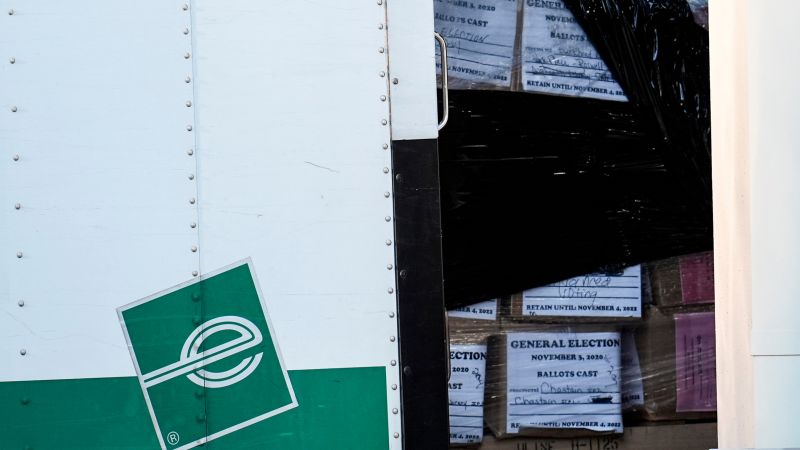
Judge Quashes DOJ Subpoena for 2020 Georgia Election Workers
Qwenews.com – A federal judge recently ruled to quash the Justice Department’s subpoena targeting 2020 Georgia election workers, dealing a significant blow to the DOJ’s investigation into the state’s voting processes. The decision, issued by U.S. District Judge William Ray, invalidated the grand jury subpoena that sought expansive information from Fulton County election staff, raising questions about the legal justification for the probe. This ruling underscores the growing scrutiny of the DOJ’s efforts to examine election procedures in Georgia, a state that became a focal point of allegations regarding voter fraud following the 2020 presidential election.
Legal Challenges and Subpoena Scope
The subpoena, issued as part of the DOJ’s investigation into potential irregularities in the 2020 election, targeted individuals involved in handling ballots in Fulton County. Judge Ray criticized the document’s broad reach, arguing that its use to investigate election staff was unjustified due to the expiration of the statute of limitations for any alleged crimes. In his ruling, he emphasized that the DOJ’s need for the subpoena did not outweigh the burden it placed on the county, stating that the agency’s interest in the inquiry was not sufficiently demonstrated.
“No evidence has been presented to the Court that the actual Grand Jury in the Northern District of Georgia seeks this information, as opposed to the out-of-district prosecutors who the DOJ has appointed to lead this inquiry who have served this Subpoena in the name of the Grand Jury,” the judge noted in the decision.
This observation highlights a key point of contention: the subpoena’s legitimacy depends on the involvement of the grand jury, which the judge found lacking in the current case.
The DOJ had previously sought to interview election workers, citing concerns about the preservation of ballot images and the appearance of suspicious ballots. However, the judge found that these claims did not justify the wide-ranging scope of the subpoena. By quashing it, he effectively halted the federal agency’s ability to gather information from the county without further legal justification, setting a precedent for future election-related investigations.
DOJ’s Expanded Role in Election Oversight
In the wake of the 2020 election, the Trump administration has pursued multiple legal strategies to challenge the results, including targeting election workers and processes in key states. The latest subpoena is part of this broader effort, with the DOJ signaling an intent to increase its oversight of state elections. A letter from the Civil Rights Division, shared with CNN, warned of criminal liability for officials who improperly included non-citizens on voter rolls, reflecting the agency’s focus on ensuring election integrity through legal means.
“Any election officer, including the chief election officer of the state, who knowingly retains noncitizens on the state’s [voter rolls] or facilitates noncitizens in receiving and casting ballots could be subject to criminal liability,” Civil Rights Division chief Harmeet Dhillon wrote in the letter.
This statement has drawn attention to the DOJ’s growing emphasis on enforcing voting laws, even as it faces criticism over its aggressive tactics in Georgia.
The DOJ’s plan to deploy federal monitors during the August primary has further intensified debates about election oversight. Officials in Michigan’s Lansing, East Lansing, and Detroit have confirmed receiving similar requests, indicating that the agency is extending its scrutiny beyond Georgia. While these cities have assured compliance with “all lawful requests,” the presence of monitors has sparked concerns about potential bias in the observation of election procedures.
The ruling by Judge Ray is seen as a critical moment in the balance between federal oversight and state autonomy in elections. By quashing the subpoena, the judge has compelled the DOJ to refine its legal arguments, which may affect the agency’s ability to pursue similar actions in other states. This decision also provides a temporary reprieve for Fulton County election workers, who will no longer be required to disclose information under the disputed subpoena unless the DOJ revises its approach.
As the DOJ continues its efforts to probe election procedures, the quashed subpoena serves as a reminder of the legal hurdles it must overcome. The case has drawn national attention, with experts noting that the ruling could influence how federal agencies conduct investigations in the future. The decision also highlights the importance of clear legal grounds in ensuring that election oversight remains effective without overstepping its bounds.