
Lawsuit aims to stop UFC fight at the White House
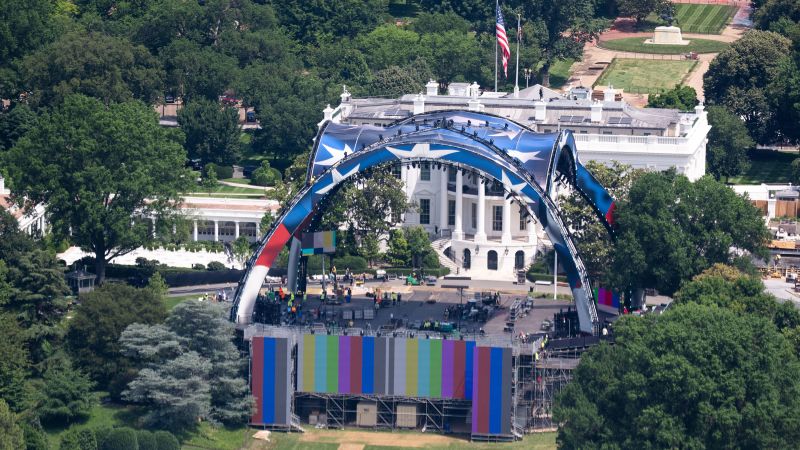
Qwenews.com – As the United States celebrates its 250th anniversary, a lawsuit has emerged to challenge the decision to host a high-profile UFC event at the White House. The legal action, initiated by two Virginia residents, seeks to halt the June 14 showdown on the South Lawn, which is set to take place as part of the nation’s centennial birthday commemorations. The case, filed Saturday by the Public Integrity Project, argues that the use of federal property for a private, profit-driven sports spectacle violates established protocols and public trust. It centers on the authorization of a temporary structure on the White House grounds, claiming that the event lacks proper congressional approval and required environmental review processes.
Legal Concerns Over Public Space Utilization
The lawsuit highlights a growing debate over the commercialization of public spaces during national events. While the White House administration maintains that the UFC fight aligns with congressional permission for the 250th-anniversary celebrations, critics argue that the event’s primary purpose is to promote the UFC brand and benefit President Donald Trump personally. The legal filing emphasizes that the White House grounds, historically reserved for dignified state functions, are being repurposed for a for-profit activity that prioritizes entertainment over ceremonial significance. This includes the use of the Lincoln Memorial on June 13 for a weigh-in, a move that has sparked controversy over the symbolic importance of the location.
Key to the case is the assertion that the temporary structure used for the fight—likely a stage or arena—was not properly vetted by federal agencies. The plaintiffs cite environmental regulations and zoning laws that require approval for events on public land. They also draw attention to the financial ties between Trump and the UFC, noting that he purchased $50,000 worth of shares in TKO Group Holdings, the parent company of the UFC, earlier this year. This connection, the lawsuit suggests, blurs the line between public service and private gain, raising questions about potential conflicts of interest.
Plaintiffs’ Perspectives on National Symbolism
“The Lincoln Memorial is sacred ground, and it honors everyone who has ever worn this country’s uniform,” said plaintiff Paul Romano, a retired Air Force sergeant and Vietnam War veteran, in a news release. “Using it as a backdrop for a for-profit cage fight so the President and his friends can make money is a desecration.” Romano, alongside civic activist and co-plaintiff Josephine Carter, argues that the White House’s decision to host the event undermines the gravitas of the nation’s centennial celebrations. They also question the logistical impact of the fight, including noise, traffic, and the displacement of public events during the weekend of June 14.
The legal challenge further contends that the UFC fight, while entertaining, serves as a promotional platform for Dana White, the president of the UFC, and Trump’s 80th birthday. This, the plaintiffs claim, turns the White House into a commercial hub rather than a symbol of American heritage. They urge the courts to weigh the event’s benefits against its potential to alienate citizens who view public spaces as integral to national identity and democratic values. The case has drawn support from various community groups, who argue that the event’s location and timing are emblematic of a broader trend toward corporate influence in public affairs.
White House’s Defense and UFC’s Stance
In response to the lawsuit, the White House has defended its decision, stating that the UFC event is part of a larger series of activities celebrating the nation’s 250th birthday. Officials argue that the event is not solely profit-driven but also serves to engage the public with the cultural and sporting legacy of the United States. They note that the temporary structure on the White House grounds was approved by the Office of Management and Budget and that the event is expected to generate revenue for the federal government through ticket sales and sponsorships.
The UFC, represented by its leadership, has not yet issued an official statement on the lawsuit. However, Dana White, the organization’s president, has publicly expressed confidence in the event’s timing and location. “This fight is about bringing people together to celebrate our country’s history and the spirit of competition,” he said in a recent interview. The UFC’s partners, including TKO Group Holdings, have also been vocal about the event’s significance, framing it as a way to elevate the profile of combat sports during a historic milestone for the United States.
Meanwhile, the legal battle has drawn attention to the broader implications of using public spaces for private events. Critics argue that such decisions set a precedent for corporate interests to overshadow civic duties, especially during times of national celebration. Supporters of the White House’s move, however, believe that the event is a legitimate use of public resources to foster community engagement and showcase American innovation. As the case progresses, it will likely serve as a focal point for discussions on the balance between public service and entertainment in the nation’s capital.