
The Future of Peptides: What FDA Meeting Means for Wellness
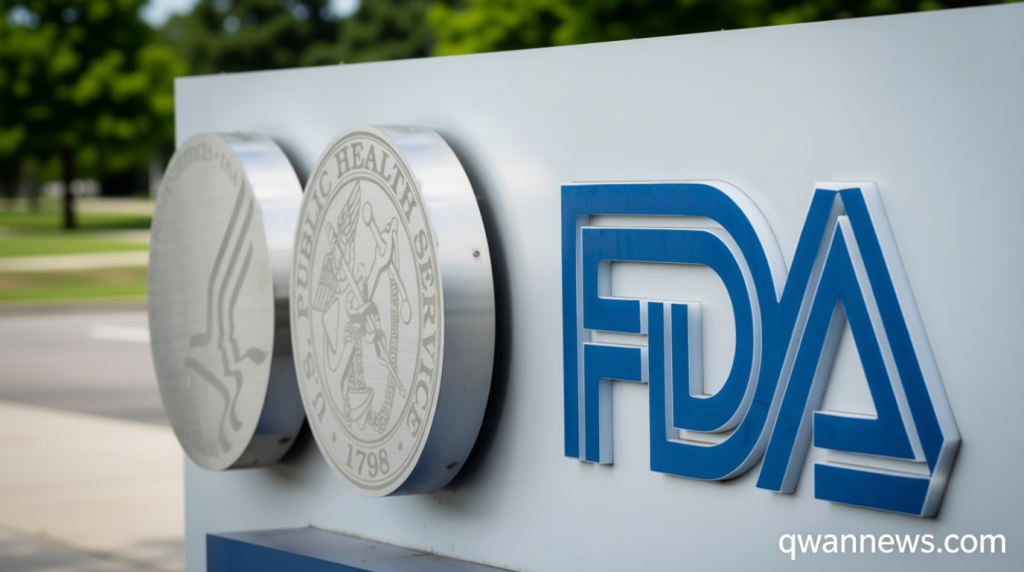
Qwenews.com – A key advisory group within the US Food and Drug Administration will convene this week to consider relaxing rules on certain injectable compounds. These substances have gained traction among wellness enthusiasts and medical practitioners who credit them with enhanced recovery, reduced inflammation, and improved vitality. The upcoming session provides insight into how drug regulators under the second Trump administration will handle the growing demand for these treatments.
Who’s on the Committee?
The FDA’s Pharmacy Compounding Advisory Committee has been restructured under the new administration. Unlike previous panels dominated by academics, this group consists primarily of health professionals who prescribe, manufacture, or advocate for these compounds. US Health and Human Services Secretary Robert F. Kennedy Jr. has publicly expressed his support for these substances and has personally used them. Despite his enthusiasm, he has encountered some pushback from FDA officials who note insufficient safety evidence for several products.
This gathering marks a critical juncture. The outcome could determine whether these compounds transition into mainstream medical practice or remain on the periphery. The committee will examine seven compounds nominated for the FDA’s 503A Bulks List, which identifies ingredients that compounding pharmacies can use to create customized medications for patients under specific legal conditions.
What Experts Are Saying
According to FDA briefing documents, experts currently find inadequate evidence to justify allowing pharmacies to prepare most of these compounds. They recommend against adding them to the 503A Bulks List. While the committee’s guidance carries considerable influence, it remains advisory rather than mandatory. The FDA retains final authority on whether to adopt these recommendations.
Compounds are short chains of amino acids, which serve as the building blocks of proteins. Several have evolved into essential prescription treatments. Insulin qualifies as one such compound, as do widely prescribed GLP-1 medications for diabetes and obesity like Ozempic and Wegovy.
The compounds under review differ significantly from established treatments. They lack FDA approval despite decades of use for anti-aging, wound healing, and muscle recovery purposes. Many carry labels indicating “research use only” or “not for human consumption.” Consumers frequently purchase these products online from various sources, often without medical consultation. Most are administered through injections.
“The committee usually looks at research clinical trials, and if there’s supporting research clinical trial data, there’ll be a recommendation that they be added to a list of drugs that compounding pharmacies can prepare. That data just doesn’t exist for most of these,” said Scott Brunner, chief executive officer of the Alliance for Pharmacy Compounding.
Proponents argue that enabling FDA-regulated compounding pharmacies to prepare these medications offers a safer option compared to purchasing from unregulated online vendors. Critics maintain that moving these compounds into legitimate pharmacies might suggest proven safety and effectiveness when robust clinical trial data remains limited for many products.
The tension between accessibility and scientific validation defines this debate. As the committee deliberates, the pharmaceutical landscape faces potential transformation that could reshape how Americans access these wellness treatments for years to come.