
Qwenews.com – “`html
Colorado River Reservoirs Hit Unprecedented Low, Sparking Urgent Water Concerns
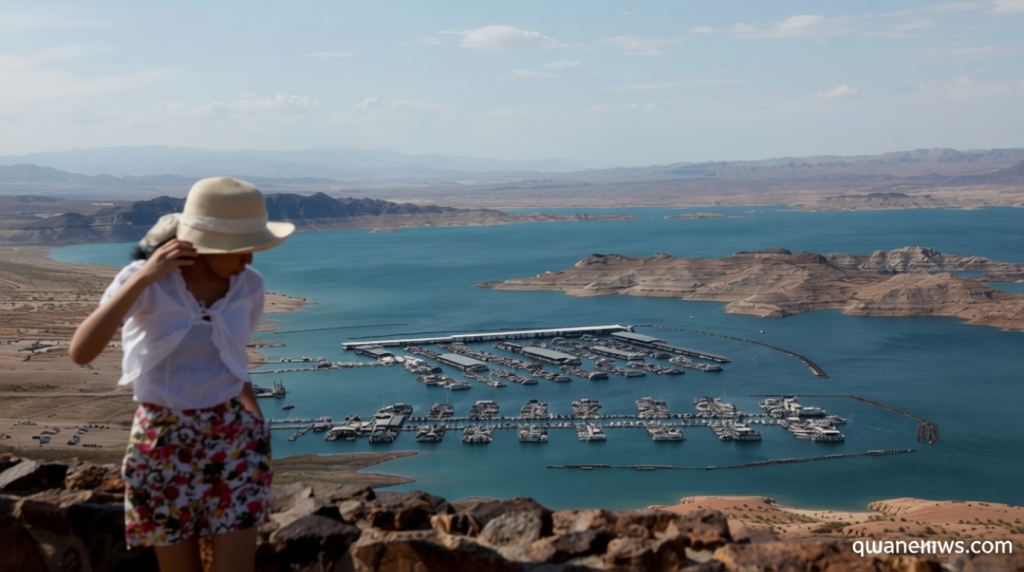
Two of America’s most critical water storage facilities have reached their lowest combined levels in nearly seven decades, marking a pivotal juncture in the ongoing Colorado River crisis. According to an analysis released by five regional water experts last week, Lake Powell stood at 3,524 feet while Lake Mead measured slightly below 1,043 feet on July 12. These readings surpassed the previous record established in March 2023.
Neither reservoir system has experienced such depleted conditions since 1957, when engineers were still constructing the Glen Canyon Dam and Lake Powell had yet to form. Jack Schmidt, who directs the Center for Colorado River Studies at Utah State University and contributed to the analysis, described the situation as “a milestone in the history of water storage in the Colorado River Basin.” He emphasized that the record demonstrates “the seriousness of the uniquely small amount of water that is presently stored in the basin’s reservoirs.”
A Vital Artery Under Pressure
Stretching 1,400 miles from the Rocky Mountains to the Gulf of California, the Colorado River serves as the primary water source for the American Southwest. Melting snowpack feeds its headwaters before the river traverses seven states, ultimately filling both major reservoirs separated by the Grand Canyon. Together, these lakes contain approximately 60 percent of all water currently held within the basin.
The river’s importance cannot be overstated. It delivers irrigation to over five million acres of agricultural land, produces sufficient electricity for roughly 700,000 households, and supplies drinking water to 40 million residents. However, demand has surged dramatically over the last quarter-century while climate change has brought increasingly hot, dry conditions and reduced snow accumulation.
Current Conditions and Future Projections
Ninety-five percent of the basin currently experiences drought conditions. Last winter proved particularly harsh for the western United States, delivering one of the warmest and driest seasons on record and creating what experts call a snow drought. Since snowpack functions as a natural water tower, insufficient accumulation has directly impacted reservoir levels.
Since breaking records last week, both lakes have continued declining. Lake Powell sits at 23 percent capacity and holds its lowest July level ever recorded. At present depletion rates, it may reach its all-time minimum within the coming month. Meanwhile, Lake Mead maintains 27 percent fullness and remains less than one foot away from its July 2022 record low.
Researchers forecast that Lake Mead and Lake Powell will establish new combined storage records daily until spring arrives and winter snowmelt begins restoring water levels. A July Bureau of Reclamation report warns that Lake Powell could drop to “minimum power pool” status by spring 2027, rendering the dam incapable of generating hydropower.
“This report highlights the ongoing vulnerability of the Colorado River system and reinforces the urgent need for updated guidelines and procedures,” stated a Reclamation spokesperson.
Political and Economic Implications
Experts caution that conditions may deteriorate further. Sarah Porter, director of the Kyl Center for Water Policy at Arizona State University, explained that declining reservoir levels signal potential system failure: “The low reservoir levels are a dramatic signal that the system is at risk of crashing, meaning reservoir levels so low that water cannot be delivered from them.”
These circumstances complicate negotiations among the seven basin states regarding water distribution. The 1922 Colorado River compact allocates 7.5 million acre-feet annually to each group: the Upper Basin states (Colorado, New Mexico, Utah, and Wyoming) and the Lower Basin states (California, Arizona, and Nevada). As the river shrinks, all parties must accept reduced allocations, though implementation details remain unresolved.
A federally mandated February deadline for agreement passed without resolution. Porter noted that states face difficult decisions: “States are being asked to agree to deep cuts and potentially new and complex management strategies that they have to go back to their states and ‘sell’ to their water users and decision makers.” Nevertheless, she suggested the new low levels “may be a catalyst” for progress.
On Tuesday, Interior Secretary Doug Burgum convened a virtual conference with governors from all seven basin states to discuss the Colorado River’s condition. Following the meeting, he commended the governors for their “leadership and commitment to finding solutions to address drought conditions” and affirmed that the Department of the Interior remains focused on establishing comprehensive responses to the crisis.
“`