
Why 0.1% of Britons Could Determine the Prime Minister’s Fate
Qwenews.com – Why 0.1% of Britons could hold the keys to the prime minister’s future. This seemingly small fraction of the UK electorate—just 0.1%—has become the focal point of national political speculation. The recent Makerfield by-election, a local contest in the heart of Greater Manchester, has sparked debates about how a narrow victory or defeat could ripple across the political landscape. With an electorate of approximately 76,000, the race is not just a test of local sentiment but a potential turning point for the Labour Party, which now faces its most critical leadership challenge since the 2019 general election. A win for Andy Burnham, the current Greater Manchester Mayor, could provide the momentum needed to challenge Prime Minister Keir Starmer’s position within the party, while a loss might signal deeper fractures in Labour’s coalition.
The Microcosm of a National Shift
At first glance, the Makerfield by-election appears unremarkable—a modest community center, with its dusty windows and worn-out benches, has become the epicenter of this high-stakes drama. Yet, this local contest is emblematic of a larger trend: the increasing influence of smaller constituencies in shaping national outcomes. With only 0.1% of the total UK electorate eligible to vote, the result here could determine the balance of power within the Labour Party. The stakes are clear: a win for Burnham would not only bolster his campaign for leadership but also cast doubt on Starmer’s ability to retain control of the party’s direction. This dynamic has created a political atmosphere where even the smallest margins can have outsized consequences.
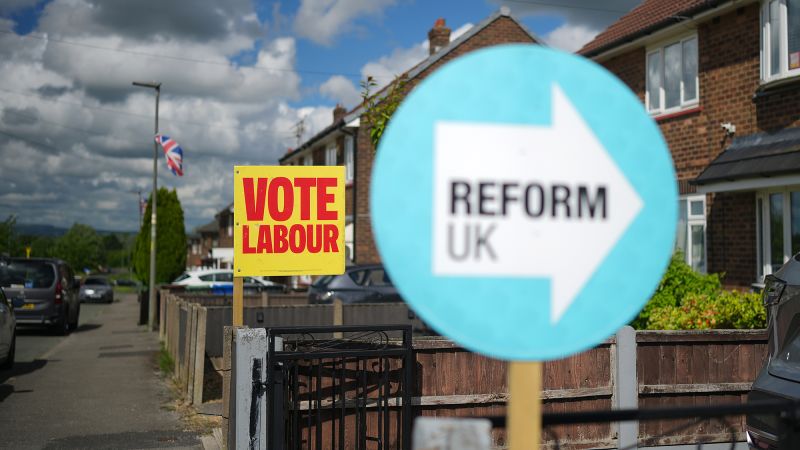
The race has been further complicated by the recent resignations of seven Labour ministers, a reflection of growing dissent within the party. These departures have left Starmer’s leadership in question, particularly as the party struggles to maintain its traditional voter base. In Makerfield, where voters have grown increasingly disillusioned with Starmer’s leadership, the choice between Burnham and Reform UK’s Robert Kenyon has become a proxy battle for the broader ideological direction of Labour. The result could influence not only the party’s internal politics but also its ability to govern effectively in the coming months.
Burnham’s Strategic Gambit
Andy Burnham, often regarded as Labour’s most charismatic leader, has positioned himself as a potential heir to Starmer’s leadership. His campaign in Makerfield is not just about reclaiming a seat—it’s about reinvigorating the party’s appeal to voters who feel disconnected from its current leadership. Burnham’s allies argue that his experience as mayor and his grassroots connection could make him the ideal candidate to unite the party’s fractured ranks. However, his absence from Parliament has left him vulnerable, as he cannot directly challenge Starmer’s position unless he secures a parliamentary seat.
Burnham’s return to Parliament hinges on a narrow victory in Makerfield, a constituency that has historically leaned Labour but is now split between reformist and traditionalist voters. If he wins, it would not only reestablish his political relevance but also signal to the Labour Party that a shift toward more progressive policies may be necessary. Conversely, a loss could embolden Starmer’s supporters, who argue that Burnham’s policies are too centrist to win back disillusioned voters. The by-election, therefore, serves as a microcosm of the broader political tensions within the party.
The Ripple Effect of a Local Election
While the Makerfield by-election is localized, its implications extend far beyond the constituency. The result could act as a litmus test for Labour’s ability to recover from its recent setbacks, particularly after a poor performance in May’s local elections. In a nation where political momentum is often tied to the performance of individual leaders, Burnham’s potential success might rally the party’s base, whereas a defeat could hasten Starmer’s exit from leadership. This is not just a question of who wins the seat—it’s a question of which vision for Labour’s future will gain traction.
Moreover, the by-election highlights the growing power of smaller political parties to sway the outcome of major contests. Reform UK, which has been gaining ground in the UK’s political scene, is seen as the main threat to Labour in Makerfield. The party’s right-wing appeal has resonated with voters who feel the Labour government has not adequately addressed economic concerns. If Kenyon secures the seat, it would mark a significant step for Reform UK in its bid to influence national policy, further fragmenting the Labour Party’s support base. In this way, the Makerfield race encapsulates the broader political volatility that has gripped Britain in recent years.
“The King of the North” has all but pledged to replace Keir Starmer, but both candidates remain tight-lipped about their strategies. “I’m focused on talking directly to constituents,” Burnham said, while Kenyon echoed the sentiment, prioritizing grassroots engagement over media commentary. This approach underscores the importance of the 0.1% of Britons who will cast their votes in Makerfield. Their decision could determine whether Labour continues to hold power or faces a leadership crisis that could shake the foundations of the nation’s political system.
As the campaign intensifies, the Makerfield by-election has become a symbol of the shifting tides in British politics. For the 0.1% of Britons who live in this constituency, their vote is more than a simple choice between two candidates—it’s a referendum on the Labour Party’s future and the stability of the current government. The outcome will not only influence the internal dynamics of the party but also serve as a warning or encouragement for the prime minister’s leadership. In an era where political fortunes can change with the stroke of a pen, the Makerfield race has become a crucial battleground for the soul of British democracy.