
Trump’s Iran Memorandum Sparks Political Turmoil
Qwenews.com – President Donald Trump’s memorandum of understanding with Iran, still awaiting official release, has already ignited fierce debate. Critics argue its terms could validate fears of a compromised agreement, even as supporters tout it as a major diplomatic achievement. The delay in publishing the document—once hailed as a landmark breakthrough by Trump on his 80th birthday—has fueled speculation, with Republican hardliners and Democratic opponents expressing skepticism. Meanwhile, leaks in Middle Eastern media hint at provisions that may lack clear obligations, benchmarks, and structured timelines, complicating the White House’s narrative.
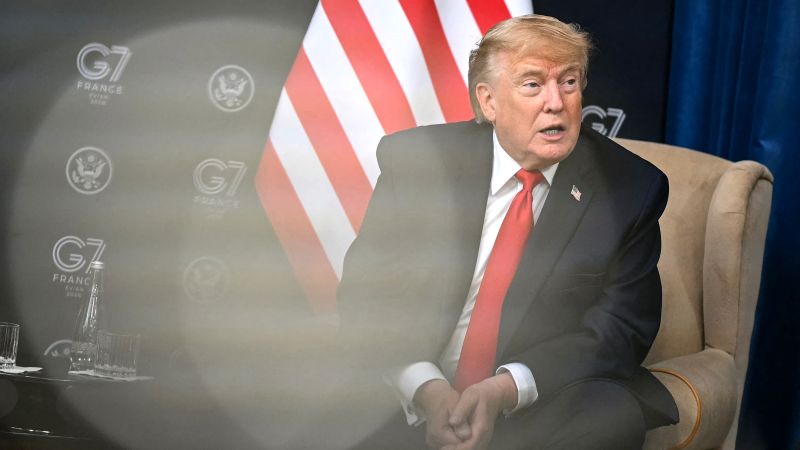
Among the contentious elements is a reported $300 billion reconstruction fund for Iran, backed by regional allies and pledged by the U.S. government. This has drawn accusations of hypocrisy, given Trump’s prior claims about Iranian assets released after the 2015 nuclear deal. At the G7 summit in France, Trump attempted to reassure allies, stating he would be “willing to read it out loud” if pressed. Vice President JD Vance, who has the task of promoting the MOU domestically, attributed the delay to diplomatic complexities in the Muslim and Arab world. He emphasized that economic concessions for Iran depend on its commitment to abandoning nuclear ambitions.
The Strategic Vagueness of the Agreement
US officials revealed that parts of the MOU are intentionally vague, allowing Iran to frame its progress in a politically volatile climate. This approach, while common in diplomacy, has raised questions about transparency. “We’ve transformed the Middle East, whether they comply or not,” Vance remarked on Fox News, suggesting the deal could be a “tantalizing grand bargain” that elevates Iran’s global standing.
“We fundamentally have transformed the Middle East, whether they comply or not. This is just icing on the cake, assuming they do all the right things.”
Despite the ambiguity, both sides appear motivated to end the conflict. However, the administration faces scrutiny for its messaging. Trump’s critics accuse him of creating a crisis and then offering a solution that merely addresses the surface. Canadian Prime Minister Mark Carney, a vocal critic of the Trump team, called the MOU a “game changer” after reviewing its text, though he noted it serves more as a ceasefire extension than a complete settlement.
The ongoing tensions highlight the challenges of diplomacy, particularly with Iran. Talks under the Obama administration required 18 months, and Trump’s claim that future negotiations would be “easier” has drawn mixed reactions. As political pressure mounts, officials hope to swiftly finalize the agreement, balancing the need for clarity with the strategic value of keeping key terms flexible.