
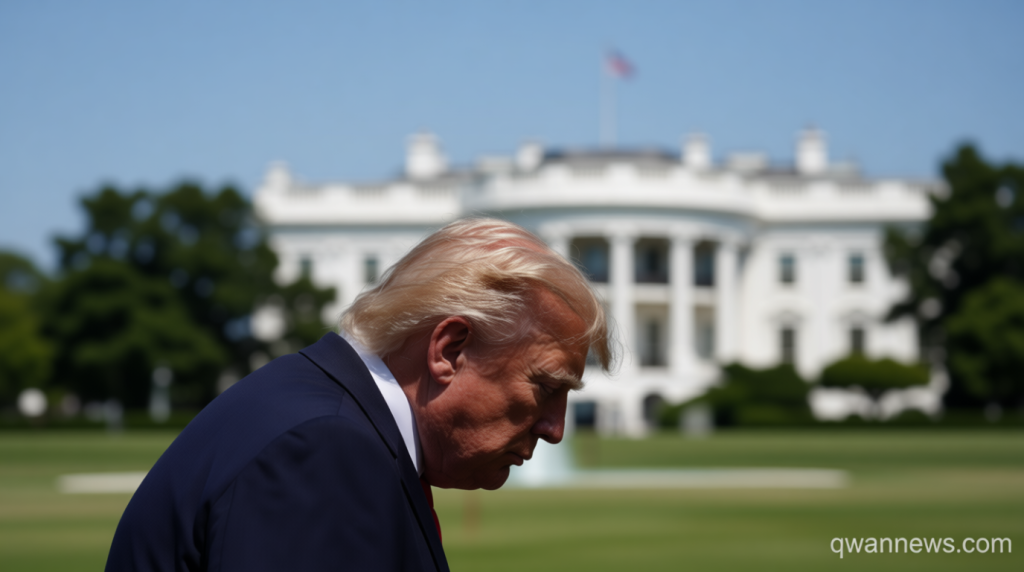
Trump’s Syria-Hezbollah Plan Causes Concern in Lebanon
Qwenews.com – Donald Trump’s recent proposal to have Syria take on Hezbollah has sparked anxiety in Lebanon, where the group has long been a dominant force. The idea, which resurfaced for the second time this month, suggests a potential shift in regional power dynamics. By encouraging Syria to engage Hezbollah, Trump aims to reduce Iran’s influence in the region, but the move could deepen existing divisions and threaten Lebanon’s fragile stability. The plan’s ambiguity—whether it involves direct military action or logistical support—has left Lebanese leaders and citizens uncertain about its long-term implications.
Syria’s Historical Role in Lebanon’s Conflict
Syria’s military involvement in Lebanon has shaped the country’s political and social landscape for decades. Since 1976, Damascus has maintained a strategic foothold in the nation, often aligning with Hezbollah to counterbalance Israeli and Western interests. This relationship has been both a stabilizing force and a source of tension, as Syria’s presence has occasionally led to clashes with Lebanon’s secular factions. The recent proposal rekindles fears that Syria might once again assert control over Hezbollah, potentially reigniting hostilities or entangling Lebanon in a broader regional conflict.
Lebanon’s leadership has historically relied on Syria’s support to maintain power, but this reliance has come at a cost. Thousands of Lebanese citizens have been affected by Syria’s military operations, including disappearances, kidnappings, and casualties. The lingering trauma from these events has bred a deep mistrust of Damascus, which many now see as an external power exploiting the country’s internal divisions. Trump’s plan could exacerbate this sentiment, as it implies Syria’s continued influence over Lebanon’s security decisions.
The New Syria Leadership and Trump’s Strategic Vision
With President Ahmad al-Sharaa leading Syria’s government, the country’s approach to regional conflicts has evolved. Al-Sharaa, a former ally of al-Qaeda, has positioned himself as a critic of Iran-backed groups, aligning with Trump’s vision of a Syria that challenges Hezbollah’s hegemony. This shift has drawn praise from the U.S. president, who views al-Sharaa as a capable leader capable of taking on Hezbollah. However, the new administration’s ability to execute this strategy remains untested, raising questions about its effectiveness and Syria’s commitment to the proposal.
Trump’s proposal for Syria to take on Hezbollah is part of a broader strategy to reduce Iran’s regional influence. By leveraging Syria’s historical ties to the group, the plan could weaken Hezbollah’s military infrastructure and shift power dynamics in Lebanon. Yet, this strategy depends on Syria’s willingness to act independently, which may be complicated by its ongoing reliance on Iranian support. Analysts note that the proposal’s success hinges on whether Syria can maintain control over its forces without succumbing to external pressures.
Lebanon’s Fragile Sovereignty and Regional Risks
Lebanon has long struggled to assert its sovereignty over security matters, with Hezbollah maintaining a stronghold in the south. The country’s political structure, built on sectarian divisions, has made it vulnerable to external interventions. Trump’s plan could disrupt this balance by encouraging Syria to take a more active role in Lebanese affairs. This development might force Lebanon to choose between its traditional allies and new adversaries, further polarizing its already fragmented society.
The U.S. administration’s stance on the ceasefire with Iran adds another layer of complexity. While the agreement seeks to reduce hostilities, it does not compel Israel to withdraw its troops from southern Lebanon. This creates a situation where Lebanon’s security is left in limbo, with Syrian and Israeli forces potentially collaborating or clashing. The result could be a destabilizing scenario where Hezbollah faces pressure from both sides, threatening its grip on power and the country’s political equilibrium.
Expert Perspectives on the Proposal’s Implications
Political analysts warn that Trump’s proposal for Syria to take on Hezbollah could have far-reaching consequences. “The sectarian dimension here is very risky. It would divide Lebanon and be a disaster,” said Michael Young, a Lebanon expert at the Carnegie Middle East Center. Young emphasized that Syria’s military involvement could trigger renewed violence, particularly against minority communities, which have long been targeted by Hezbollah’s operations. “He (al-Sharaa) would be making a big mistake if he did it,” he added, highlighting the potential for unintended escalation.
Meanwhile, some Lebanese officials remain cautiously optimistic. They argue that Syria’s participation could help weaken Hezbollah’s military capabilities, allowing Lebanon to reclaim its security autonomy. However, others fear that this strategy might inadvertently empower Syria to assert dominance over Lebanon’s internal affairs. The debate reflects a broader uncertainty about the proposal’s impact, as Lebanon grapples with balancing its alliances and addressing the growing threat from Hezbollah.
Lebanon’s Political Landscape and the Proposal’s Challenges
Lebanon’s political system is defined by its sectarian power-sharing, with Hezbollah representing Shia interests and opposing factions advocating for a more secular approach. Trump’s proposal for Syria to fight Hezbollah could deepen these divisions, as it may be perceived as aligning Syria with Sunni interests. This could further alienate Shia communities, who already view Damascus as a regional adversary. The proposal’s success would depend on whether it can unite Lebanese factions under a common threat, or if it would instead fuel internal discord.
Additionally, the plan faces logistical and strategic hurdles. Syria’s military, though still active, has been weakened by years of conflict and war fatigue. The country’s ability to mobilize forces and coordinate with Israel may be limited, raising doubts about its effectiveness in targeting Hezbollah. Meanwhile, Israel’s role in the proposal remains unclear, as the U.S. seeks to balance its alliance with the Jewish state while addressing Lebanon’s security concerns. These uncertainties could delay the plan’s implementation or reduce its impact, leaving Lebanon in a state of prolonged tension.
As the situation unfolds, Lebanon’s citizens will be watching closely. The proposal for Syria to fight Hezbollah is not just a military strategy—it is a political gamble that could reshape the country’s future. Whether it leads to stability or chaos will depend on how the various factions respond and how effectively Syria can execute its newfound role. For now, the shudders across Lebanon are a sign of both apprehension and hope, as the nation navigates the complexities of regional geopolitics.