
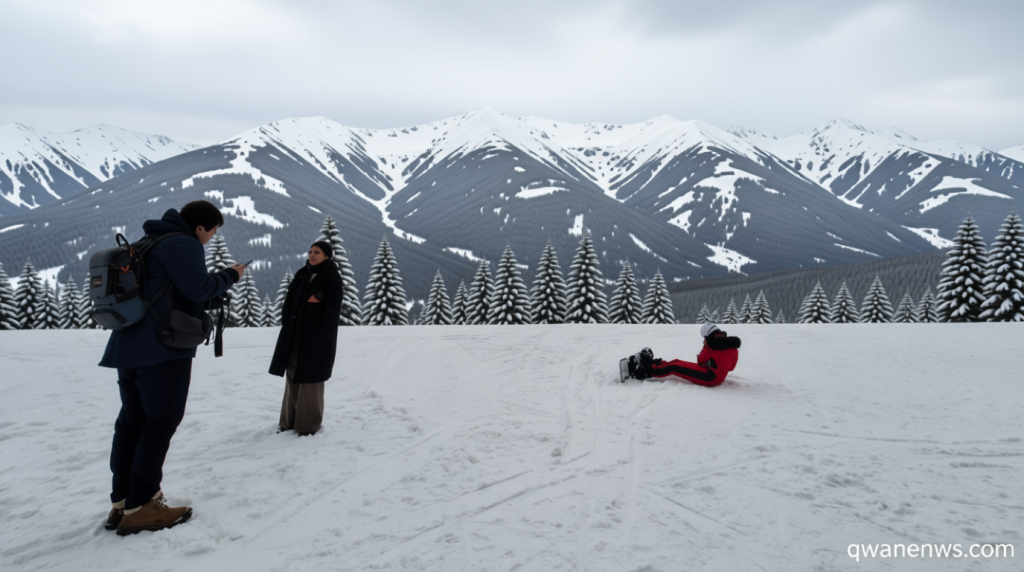
Santiago’s Alpine Allure Faces a Critical Snow Crisis
Qwenews.com – In recent months, the iconic winter vistas of Santiago, Chile, have begun to fade. Once a symbol of the city’s connection to the Andes, the snow-capped peaks now seem like relics of a bygone era. A prolonged dry spell has left Chile grappling with a critical snow shortage, forcing its primary ski resorts to close up to 90% of their slopes, according to the Chilean Ski Resorts Association (ACESKI).
For years, Santiago has been a popular winter destination for U.S. visitors seeking a summer ski experience. The economic benefits have been substantial, with over 1.24 million skiers flocking to the region in 2025, contributing US$283 million to the local economy. Of that total, nearly US$228 million came from international tourists, underscoring the city’s role in attracting global visitors.
Climate change is increasingly linked to this crisis, with experts cautioning that reduced precipitation could threaten the long-term viability of the ski industry. Arnaldo Zúñiga, a meteorologist and spokesperson for Chile’s Meteorological Directorate (DMC), noted that the latest snowfall, recorded on June 21, measured just 24 centimeters—nearly 60% below the typical mountain-year average. “It is not normal. We are very much behind,” he said, emphasizing the growing concern over shifting weather patterns.
“Over the last 15 years we have invested in systems and technologies to make snow,” said ACESKI president Michael Leatherbee. “You can take ski lessons, take the panoramic chairlift, arrive at a restaurant halfway up the mountain. All the things that are normally offered in winter, today you can do them, just in smaller amounts.”
Shifting Toward Year-Round Tourism
As the snow dilemma persists, Chilean authorities are exploring alternatives to sustain the region’s tourism appeal. María Paz Lagos, the Undersecretary of Tourism, highlighted the push for “four-season tourism,” where mountain activities remain vibrant throughout the year. This strategy includes nature walks, wellness retreats, and culinary events, all of which do not depend on snowfall.
“Just the ski season alone generates about 18,000 jobs, and we want that contribution to the development of the regions to continue growing,” Lagos remarked. While the immediate outlook remains uncertain, the Meteorological Directorate hinted at potential relief this weekend. A cold front from the south is expected to bring precipitation, with Zúñiga suggesting that initial rainfall might transition into snow above 2,500 meters. “This front begins on Sunday and is colder. I think we can have high hopes that, while it will rain initially, we could then get snow in the higher sectors,” he noted.