
Seven People and Two Firms Charged in Hong Kong Fire That Killed 168
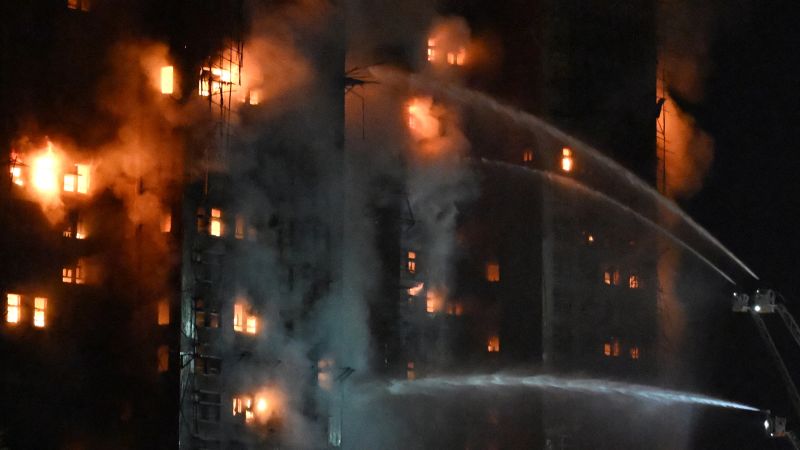
Qwenews.com – On November 26, 2025, a catastrophic fire erupted in the Wang Fuk Court residential complex in Tai Po, Hong Kong, claiming the lives of 168 people. This tragic event, which engulfed seven apartment buildings, has led to the prosecution of seven individuals and two firms, marking a significant legal development in the aftermath of the disaster. The incident has sparked widespread concern about building safety standards, regulatory oversight, and the human factors that contributed to the tragedy. Families of the victims, now grieving and seeking accountability, have become central figures in the ongoing legal proceedings.
Legal Charges and Government Involvement
Following a thorough investigation, Hong Kong authorities have formally charged seven individuals and two firms with manslaughter, conspiracy, and related offenses. The Independent Commission Against Corruption (ICAC) and police collaborated to file 25 counts of criminal charges, highlighting the systemic failures that allowed the fire to spread so rapidly. These charges include allegations of negligence, improper maintenance, and failure to adhere to safety protocols. The legal proceedings are set to begin in court, where the accused will face scrutiny over their roles in the incident.
“This fire was preventable, and the legal actions today reflect the seriousness of the consequences,” said a spokesperson for the Hong Kong government. “We are committed to ensuring accountability and learning from this tragedy to protect future residents.”
Investigative Findings and Safety Failures
Investigators revealed that the fire originated in a basement car park, which quickly escalated due to blocked emergency exits and faulty electrical systems. The Independent Committee, tasked with examining the cause, found that safety mechanisms such as sprinklers and fire alarms were either non-functional or improperly installed. This systemic neglect, combined with human error during the blaze, created a perfect storm of disaster. The committee’s report emphasized that the two firms involved had ignored repeated warnings about structural weaknesses and fire risks, exacerbating the scale of the tragedy.
Among the seven individuals charged, several were former employees of the companies responsible for the complex’s maintenance. The legal representatives of the firms argue that the fire was a result of multiple factors, including overcrowding and the use of substandard materials. However, prosecutors maintain that the companies’ negligence in enforcing safety standards was the primary cause. The trial will hinge on whether the accused can demonstrate that the fire was an unforeseen accident rather than a preventable disaster.
Impact on the Community and Ongoing Scrutiny
The Wang Fuk Court fire not only devastated the physical structure of the buildings but also shattered the lives of hundreds of residents. Many families lost their homes and livelihoods, while others faced the unbearable loss of loved ones. The incident has prompted a reevaluation of Hong Kong’s housing policies, with critics calling for stricter regulations on building inspections and fire safety compliance. Community leaders have urged the government to implement emergency measures to prevent similar tragedies, citing the fire as a wake-up call for urban infrastructure improvements.
“This disaster exposed the vulnerabilities in our system,” said a local housing activist. “The seven individuals and two firms involved are not just responsible for their actions—they represent a broader failure in accountability.”
Public Reaction and Legal Implications
The public response to the charges has been mixed, with some praising the government’s swift action and others demanding more transparency in the investigation. Protests have emerged calling for harsher penalties for the accused, while legal experts debate whether the charges adequately address the scale of the catastrophe. The case also raises questions about corporate liability in disaster scenarios, as the two firms are now facing potential fines and reputational damage. If convicted, the accused could face lengthy prison sentences, reflecting the gravity of their alleged negligence.
As the trial approaches, the focus remains on how the fire’s aftermath will shape future safety practices. The Hong Kong government has pledged to review building codes and improve emergency response systems. The victims’ families, however, are determined to ensure that justice is served and that the seven people and two firms are held accountable for their roles in the disaster. This case has become a symbol of the urgent need for reform in the city’s housing and safety sectors.