
Second Cannonball Discovery at the Alamo Adds New Battle Insights
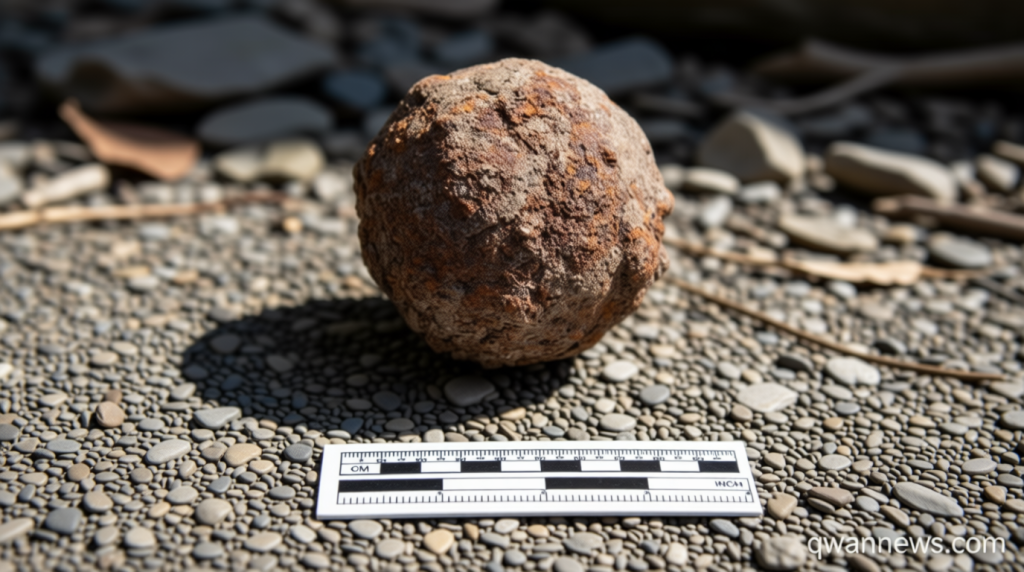
Qwenews.com – Archaeologists have made a groundbreaking discovery at the Alamo in San Antonio, Texas, uncovering a second well-preserved cannonball believed to have been fired during the 1836 Battle of the Alamo. This find, reported by the Alamo Trust, adds to a growing collection of historical artifacts that shed light on the pivotal conflict in Texas history. The newly unearthed iron cannonball was located just three feet below the surface near the Alamo Church, offering researchers fresh evidence about the weaponry used in the siege. With the first cannonball discovered in March, these findings are expected to deepen the understanding of the battle’s tactical aspects and the forces involved.
Unearthing History: The Significance of the Discovery
The second cannonball, identified as a 6-pound iron projectile, is believed to have been part of the arsenal used by the Texian defenders. This aligns with the historical accounts of the battle, where both sides relied heavily on cannons during the 13-day siege. The presence of multiple intact cannonballs at the site is rare, as most were either salvaged by the Mexican army or damaged over time. Dr. Tiffany Lindley, director of the Alamo Trust’s archaeological efforts, emphasized the importance of such relics. “The discovery of these cannonballs is a testament to the enduring legacy of the Alamo,” she said, noting how they provide tangible links to the past. “Each artifact helps piece together the story of a battle that defined a nation.”
The March discovery of a 4-pound bronze cannonball, found about six feet from the site, was already a significant milestone. That relic was determined to have belonged to the Mexican forces, supporting the theory that their artillery played a crucial role in the siege. Now, with the addition of the iron cannonball, the Alamo Trust has more material to analyze the battlefield’s strategic layout and the weaponry available to each side. The artifacts not only confirm historical records but also offer new perspectives on the conflict’s intensity and the sacrifices made during the fight for Texas independence.
Preservation Efforts and Future Research
The Alamo Trust’s ongoing restoration project, which includes a $700 million investment, aims to preserve the site’s original structures and artifacts for future generations. The new visitor center and museum, set to open in 2028, will feature exhibits dedicated to the battle’s history, including the newly discovered cannonballs. Dr. Andrés Tijerina, a history professor at Austin Community College, praised the finds. “These artifacts are more than relics—they are windows into the past,” he remarked. “They help us visualize the events that shaped Texas history.”
While the Mexican army systematically removed artillery from the site after the battle, some pieces remained hidden beneath layers of earth. Lindley explained that the preservation of these cannonballs is remarkable, as they were not only buried but also protected from environmental degradation. “The Alamo’s unique geology and location helped these artifacts survive for nearly two centuries,” she said. Future excavations may uncover even more clues, further enriching the historical narrative of the site and its role in the Texas Revolution.
Researchers are now analyzing the composition and markings of the cannonballs to determine their exact origin and use. The iron cannonball, in particular, may provide insights into the supply chains and military tactics of the Texian forces. Additionally, the artifacts will be displayed alongside other historical items, such as weapons, documents, and personal belongings, to create a comprehensive picture of the battle. As the Alamo continues to be a UNESCO World Heritage site, these discoveries reinforce its status as a symbol of resilience and historical importance. The findings are expected to enhance educational programs and public engagement with the site’s legacy.