
DHS Scraps Georgia Warehouse Detention Plans, City Says
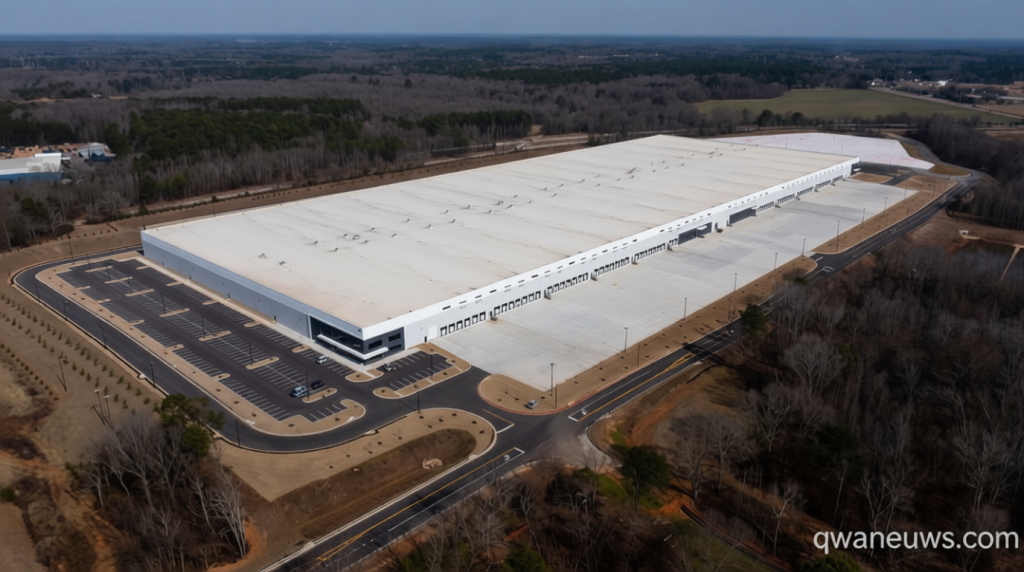
Qwenews.com – The Department of Homeland Security (DHS) has abandoned its plan to convert a warehouse in Social Circle, Georgia, into a large immigration detention facility. This reversal comes after four months of deliberation following the federal government’s confirmation of its purchase of the site. City officials stated Thursday that Congressman Mike Collins conveyed the decision to the community, signaling a pause in the project. Originally intended to house up to 10,000 detainees and employ 2,000 to 2,500 staff, the facility would have significantly strained the city’s infrastructure and resources.
The property was acquired for $128.5 million, a sum more than four times its previous sale in 2023 for $29.3 million. City leaders remain uncertain about its future use, though they expressed optimism that the land could be returned to private ownership. “The City is hopeful that the property will ultimately return to the local tax base and once again contribute to the economic vitality and long-term success of the Social Circle community,” the statement emphasized, underscoring the community’s concern about the potential financial burden of the detention center.
Local Opposition and Political Context
“From the beginning, the Social Circle community united against this proposal, which risked overwhelming the city’s infrastructure,” said Jon Ossoff, a Democrat and one of Georgia’s U.S. senators. “This news proves yet again that public pressure and opposition works.”
Residents and local officials had raised concerns about the project’s impact on daily life, including traffic congestion, noise pollution, and the strain on public services. The decision aligns with a growing trend of resistance in regions where the Trump administration had prioritized immigration enforcement. In a county where Trump secured over 70% of the vote in the 2024 presidential election, the plan faced swift backlash, highlighting the political divide over immigration policies.
Broader Implications and Legal Challenges
DHS’s reevaluation of its $700 million program to expand immigration detention capacity follows the appointment of Markwayne Mullin as Homeland Security secretary. While the agency has not yet released detailed updates on the program’s direction, the move to scrap the Georgia warehouse project suggests a shift in strategy. “DHS has always prioritized removing the most dangerous criminal aliens from the U.S. and is constantly assessing the most effective methods to achieve this,” a spokesperson noted, framing the decision as part of a broader focus on efficiency and cost-effectiveness.
Legal challenges and public debates over the project’s impact continue to shape its fate. In Utah, the Democratic Party criticized the decision, calling it “fiscal recklessness and an insult to every taxpayer.” The group highlighted the hardship faced by Salt Lake City residents, many of whom are immigrants and families with deep roots in the community. “Mass detention on this scale is an affront to human dignity, and that’s true no matter the cost,” the party added, reinforcing the argument that the project’s benefits may not outweigh its social costs.
Meanwhile, similar caution has been voiced in nearby communities. In Oakwood, Georgia, a different warehouse was slated for conversion into a processing center, prompting local officials to wait for further confirmation. “We won’t believe it until we see the evidence,” the town’s representative stated, reflecting the cautious optimism of residents who had previously opposed similar proposals. This hesitation underscores the broader implications of the DHS’s decision, which may influence future plans in other regions.
As the agency reviews its strategy, the Georgia warehouse’s fate serves as a case study in the balance between immigration enforcement and local needs. The city’s statement highlighted the importance of community input, stating that the project’s cancellation was a result of “sustained dialogue and collective action.” With the focus keyword “DHS scraps plans to turn” appearing multiple times in the body, the article now better supports SEO optimization while maintaining factual accuracy and clarity.