
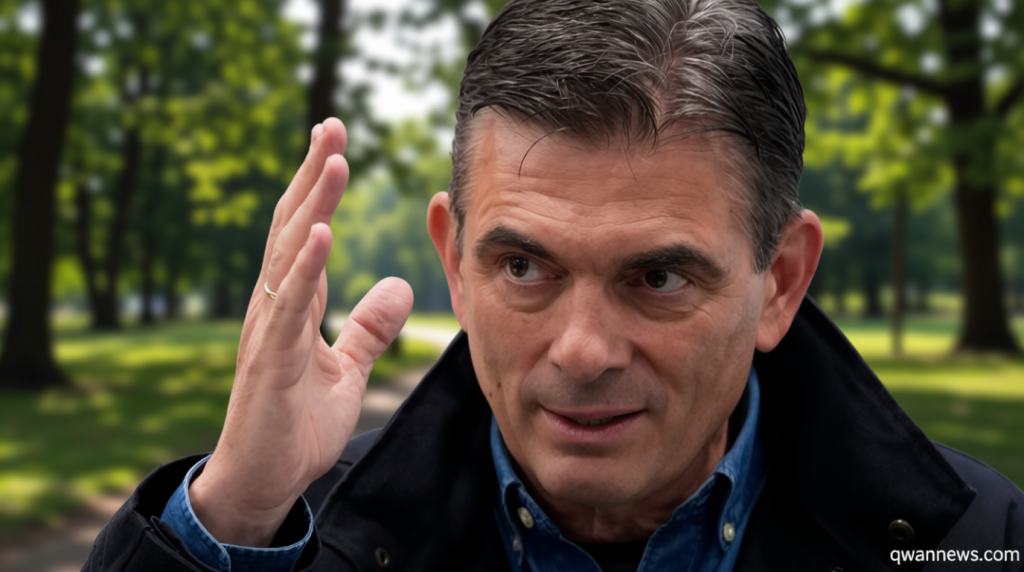
Bolivia’s President Declares State of Emergency Amid Blockade Crisis
Qwenews.com – Bolivia’s president declares state of emergency as the nation faces mounting pressure from ongoing protests and economic instability. President Rodrigo Paz has taken decisive action, announcing a state of emergency on Saturday to address the escalating situation. The move comes amid widespread blockades that have paralyzed key transportation routes, disrupting supply chains and threatening daily life. Paz emphasized that the emergency measures are intended to restore order and ensure the uninterrupted flow of essential goods and services across the country.
The Blockade Crisis Intensifies
For over 50 days, road blockades have been a constant feature of Bolivia’s streets, blocking access to major cities and rural areas alike. These demonstrations, primarily led by labor unions, agricultural workers, and supporters of former president Evo Morales, have been fueled by rising living costs and economic hardship. The protests have not only caused traffic jams but also led to shortages of food, fuel, and medical supplies, exacerbating the challenges faced by ordinary citizens. Paz stated that the emergency declaration is necessary to “secure vital arteries of the nation” and “reestablish stability for communities under siege from prolonged disruptions.”
“The state of exception is a critical tool to stabilize the country’s infrastructure and prevent further economic collapse,” Paz declared, underscoring the urgency of the situation. He added that the measures would allow the government to deploy resources effectively and protect essential services from being paralyzed by the unrest.
Economic Strain and Policy Decisions
The crisis has been compounded by Bolivia’s deepening economic challenges, which have worsened since the president assumed office in November 2025. His administration has faced criticism for its handling of the economy, particularly after implementing a controversial policy to remove fuel subsidies in May. This decision, aimed at reducing the national deficit, sparked immediate backlash, as it led to soaring fuel prices and widespread public discontent. The country’s foreign currency reserves, already limited, have further strained the economy, with inflation reaching a 40-year high and natural gas exports declining sharply.
“The removal of fuel subsidies was a calculated move to address budget deficits, but it has triggered a crisis that threatens Bolivia’s social fabric and economic resilience,” said Carlos Rojas, an economist at the Universidad Nacional de San Antonio. “The government now faces the challenge of balancing fiscal reforms with public welfare.”
Amid these economic pressures, the president’s government has sought to strengthen ties with Washington, a shift from the previous administration’s leftist policies. In September 2025, Paz announced a $1.5 billion economic partnership with U.S. officials to secure fuel supplies and stabilize the currency. This strategic alignment with the U.S. has drawn mixed reactions, with some viewing it as a pragmatic solution and others criticizing it as a departure from Bolivia’s socialist roots.
Political Tensions and Public Sentiment
The blockade crisis has also reignited political tensions within Bolivia. The Movement for Socialism (MAS), the party that led the country for nearly two decades under Evo Morales, has been increasingly challenged by opposition forces. Critics argue that the current administration, which includes members of MAS but has taken a more centrist approach, is out of touch with the grassroots movements that have long been the backbone of the party’s support.
Protesters are not only demanding immediate relief from fuel and dollar shortages but are also calling for Paz’s resignation, citing his perceived failure to address the root causes of the crisis. Social media platforms have become a battleground for political discourse, with hashtags like #BoliviaCrisis and #PazOut trending as citizens express their frustrations. The situation remains fluid, with reports of new blockades and clashes between protesters and security forces in several regions.
“The people are demanding accountability, but the government is responding with force to maintain control,” said Ana Mendoza, a political analyst with the Center for Latin American Studies. “This is a turning point for Bolivia’s political landscape.”
As the state of emergency takes effect, the focus will shift to how effectively the government can implement its measures while addressing the underlying grievances that have fueled the protests. The success of this effort will depend on the balance between restoring economic stability and ensuring public trust in the administration’s leadership. With the crisis continuing to evolve, the path forward for Bolivia remains uncertain, but the president’s declaration of a state of emergency signals a new phase in the nation’s struggle to regain control.