
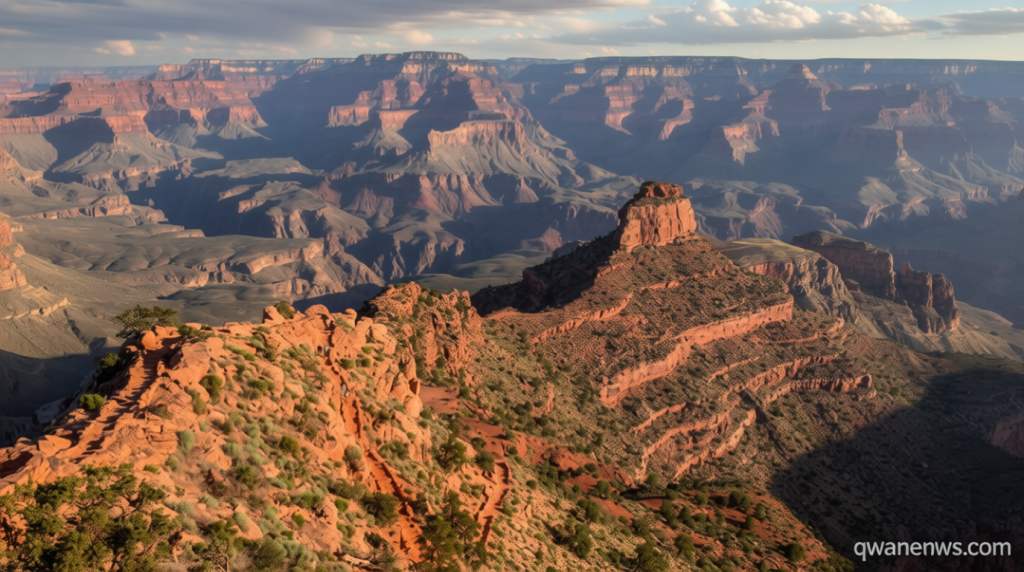
Three Hikers Die of Suspected Heat-Related Illness in Grand Canyon
Qwenews.com – Three hikers have tragically lost their lives due to suspected heat-related illnesses, according to reports from federal authorities. The incident occurred during a period of increasingly severe temperatures in the Grand Canyon, where the scorching conditions have raised concerns about visitor safety. The National Park Service (NPS) has issued warnings about the risks posed by extreme heat, particularly during the hottest hours of the day, as the region experiences temperatures that can exceed 109 degrees Fahrenheit (43 degrees Celsius) even in shaded areas. These findings highlight the growing importance of preparedness and awareness when hiking in the area.
The Heatwave and Rising Temperatures
The Grand Canyon has been grappling with a prolonged heatwave, which has intensified over the past several weeks. Meteorological data indicates that temperatures in the inner canyon have consistently exceeded the 100-degree mark, with some days recording highs as high as 115 degrees Fahrenheit. The combination of high ambient temperatures, rocky terrain, and limited shade has created a challenging environment for hikers. The NPS has noted that these conditions have led to an uptick in heat-related emergencies, including dehydration, heat exhaustion, and heatstroke. The deaths of the three hikers underscore the critical need for hikers to monitor their health and adjust their schedules accordingly.
Incidents and Immediate Response
The first incident involved a 72-year-old man who collapsed on June 12 while hiking the South Kaibab Trail. Emergency crews were called, but by the time they arrived, the hiker had already succumbed to his injuries. Four days later, two more individuals—aged 67 and 68—died on the North Kaibab Trail, both found unconscious and unable to receive timely medical attention. The rapid onset of symptoms and the inability to provide immediate care despite aerial rescues have raised questions about the effectiveness of response protocols in such extreme scenarios. The remains of all three hikers were transported to the Coconino County Medical Examiner’s office for further analysis, with investigators still working to determine the exact causes of death.
“Extreme heat is a silent killer, especially in the Grand Canyon’s inner sections where the temperature can climb rapidly,” said a spokesperson for the National Park Service. “We’ve seen a significant increase in heat-related illnesses this season, and our recommendations include staying hydrated, taking frequent breaks, and avoiding midday hikes when the sun is at its strongest.”
Officials have emphasized that the current weather pattern is part of a broader trend of rising temperatures across the Southwest, linked to climate change. This has led to more frequent and intense heatwaves, which can be particularly dangerous for those unprepared for the conditions. The NPS has also urged hikers to carry cooling devices, such as wet towels or cooling vests, and to stay informed about the weather forecast before embarking on their journeys. In the wake of these incidents, park rangers have increased patrols in the most affected areas, providing real-time updates to visitors and ensuring that emergency supplies are readily available.
The three hikers’ deaths have prompted a broader conversation about the safety measures necessary for hiking in the Grand Canyon. Experts warn that the combination of physical exertion, prolonged exposure to sunlight, and high humidity can lead to rapid dehydration and heatstroke, especially for older individuals or those with pre-existing health conditions. The NPS has since updated its guidelines, recommending that hikers check the weather conditions before setting out and plan their routes with caution. Additionally, the park has launched a public awareness campaign to educate visitors about the signs of heat-related illnesses and the importance of early intervention.
While the exact causes of the hikers’ deaths are still under investigation, preliminary reports suggest that heat exhaustion and dehydration played a key role. The medical examiner’s office is examining the hikers’ personal health histories, hydration levels, and the specific conditions they encountered during their hikes. These findings will be crucial in identifying patterns and improving safety protocols for future visitors. The incident has also sparked discussions about the need for better infrastructure, such as more shaded rest areas and improved signage warning about the dangers of extreme heat.