
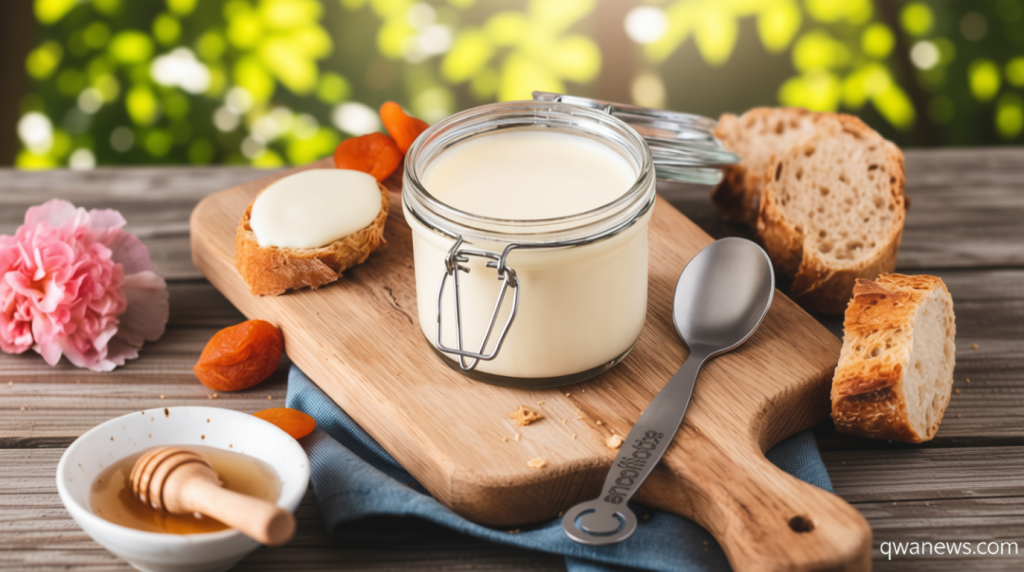
Why a 2000-Year-Old Cheese is Taking Over France’s Dairy Aisles
Qwenews.com – Why a 2000-year-old low-fat, high-protein cheese is dominating French dairy aisles. As health-conscious trends reshape consumer preferences, cancoillotte—a soft, creamy cheese from the Franche-Comté region—has emerged as a standout product. Its unique combination of nutritional benefits and rich flavor has captured the attention of both locals and international buyers, driving a surge in demand that has left supermarkets scrambling to keep up. With a growing emphasis on wellness, this ancient cheese is now a key player in the evolving French cheese market.
The Timeless Appeal of Cancoillotte
Cancoillotte, a cheese with roots dating back over 2000 years, has long been a cherished delicacy in the Franche-Comté region. Traditionally crafted from raw cow’s milk, it has a distinct texture and flavor profile that sets it apart from mainstream cheeses. Despite its historical significance, cancoillotte remained largely overlooked beyond local markets until recent viral attention redefined its place in the food industry. The cheese’s resurgence is not just about its taste but also its alignment with modern dietary needs.
“Why didn’t anyone tell me about this? Because my diet has just changed forever,” said Johan Papz, whose April 23 TikTok video amassed 2.2 million views. “It’s the best day of my life.”
Papz, who chose to keep his legal surname private, shared memories of eating cancoillotte as a child in Lyon, often paired with roasted potatoes and meat. He initially perceived it as a rich, indulgent treat due to its gooey texture and bold flavor. However, a conversation with a bodybuilding friend revealed its hidden advantages: low fat and high protein. This revelation sparked a wave of interest, leading to a phenomenon that has reinvigorated cancoillotte’s presence in French supermarkets.
Cancoillotte’s Nutritional Edge
Cancoillotte stands out from traditional French cheeses, which can pack 15–30 grams of fat and 200–400 calories per 100 grams. By contrast, a 100-gram serving of cancoillotte contains just 8 grams of fat, 130 calories, and 16 grams of protein. Its soft, spreadable consistency and mild to robust flavor—ranging from yeasty and fruity to earthy, “barnyard” notes—make it a versatile option for both hot and cold dishes. Nutritionists have also praised its mineral content, including calcium and phosphorus, which support bone health and metabolic function.
As Papz’s video gained traction, demand for cancoillotte skyrocketed. Julie Morin, president of the Association for the Promotion of Cancoillotte and director of Fromagerie Poitrey-La Belle Etoile, noted a 25% increase in sales in May alone. At her cheesery, demand also rose by 10% during the same period, leaving shelves bare despite expectations of modest growth. This unexpected success has prompted producers to ramp up production, ensuring the cheese remains available for the growing number of health-focused consumers.
“Sales skyrocketed thanks to this, and we actually ran out of stock,” Morin told CNN. “We didn’t expect to be so successful on social media.”
From Niche to National Phenomenon
The 2000-year-old cheese’s journey from a regional oddity to a national trend highlights the power of social media in reshaping food culture. Before Papz’s video, cancoillotte was often dismissed as a quirky, outdated product. Now, it is being celebrated for its health benefits, with consumers seeking alternatives to high-fat cheeses. This shift reflects broader changes in French dietary habits, as more people prioritize nutrition without compromising on taste.
Cancoillotte’s appeal extends beyond its nutritional profile. Its creamy texture makes it an excellent base for sauces, dips, and even desserts. Chefs are incorporating it into innovative recipes, while health enthusiasts are using it as a guilt-free addition to their meals. The cheese’s versatility has made it a favorite among those looking to diversify their dairy choices. As its popularity grows, it is challenging traditional notions of what French cheeses can offer in terms of both flavor and health.
Experts suggest that cancoillotte’s rise is part of a larger movement toward natural, minimally processed foods. Its traditional production methods—using raw milk and minimal additives—resonate with consumers who value authenticity. Additionally, its lower fat content appeals to those following ketogenic or low-carb diets. These factors have contributed to its rapid ascent in the French cheese market, cementing its status as a 2000-year-old innovation in modern eating habits.
“The demand for cancoillotte reflects a growing appetite for healthy, high-protein dairy options,” said Morin. “It’s not just about the cheese itself, but how it fits into a broader lifestyle shift.”
Cancoillotte in the Global Spotlight
While cancoillotte has been a staple in France for centuries, its recent surge in popularity has extended beyond national borders. International buyers are now seeking this 2000-year-old cheese, and some specialty stores have begun featuring it in their shelves. Its unique qualities have also sparked interest in other European markets, where consumers are exploring alternatives to classic cheeses like Brie or Camembert.
The cheese’s ability to balance indulgence with nutrition has made it a favorite among health-conscious millennials and Gen Z consumers. Social media influencers, food bloggers, and wellness advocates have all contributed to its rise, sharing recipes and testimonials that highlight its benefits. This digital buzz has helped cancoillotte break into mainstream conversations, proving that ancient traditions can adapt to contemporary tastes and trends.
As cancoillotte continues to gain traction, it is a prime example of how a 2000-year-old product can thrive in today’s market. Its journey from obscurity to prominence underscores the power of storytelling and the evolving priorities of consumers. With more attention and a growing presence in supermarkets, this cheese is poised to become a lasting staple in French and global dairy aisles.