
Exclusive: US Military Prepares Ground Mission to Capture Iran’s Uranium, Trump Pauses Plans, Sources Say
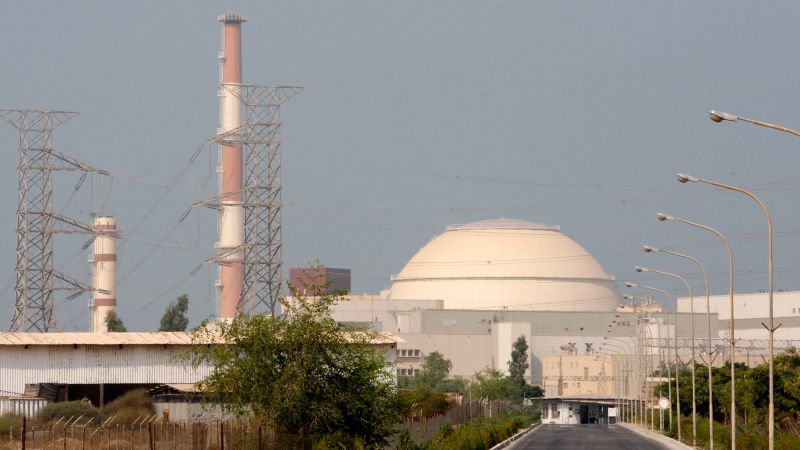
Qwenews.com – Exclusive insights reveal that the U.S. military has been in high gear to execute a ground operation targeting Iran’s uranium stockpiles, a key component in the development of nuclear weapons. According to multiple insiders, a top general made an urgent trip to the Central Command in Tampa, Florida, to secure final approval for the mission. This decision comes amid rising tensions between the U.S. and Iran, as the administration weighed the potential for military action to seize the enriched uranium. The operation, which could have been launched within weeks, was stalled after President Trump received critical assessments of the risks involved, including the possibility of significant Iranian retaliation and the safety of American troops.
Exclusive reports indicate that the plan involved coordinated strikes on key Iranian facilities, such as Isfahan, Natanz, and Fordow, where the country has been enriching uranium. The military’s rapid mobilization suggests the operation was a top priority, with troops trained and equipped for rapid deployment. However, Trump’s intervention added uncertainty, as he prioritized diplomatic solutions over immediate military action. The administration had previously outlined a strategy to secure the Strait of Hormuz as a bargaining chip, but the push for a ground mission highlights the growing pressure on Iran to concede nuclear capabilities. The delay, while strategic, may have given Iran time to reinforce its positions or negotiate terms that could mitigate U.S. losses.
High-Stakes Diplomacy and Military Readiness
Exclusive details suggest that the U.S. military was not only preparing for a potential ground operation but also engaging in last-minute diplomatic efforts to avoid it. While the administration expressed confidence in a deal to open the Strait of Hormuz and freeze Iran’s nuclear program, the urgency of the military’s plans indicates a backup strategy was in place. This dual approach underscores the complexity of the situation, where military readiness and diplomatic negotiations are intertwined. According to one insider, “The military was fully prepared to act, but we were waiting for the president’s final call.” The decision to pause the mission reflects Trump’s cautious approach, balancing the need for decisive action with the desire to minimize casualties and public backlash.
“The timeline was tight, but the mission was designed to be swift and precise,” said a military official. “The goal was to secure the uranium without prolonged conflict.”
Exclusive accounts from multiple sources highlight the strategic importance of Iran’s uranium reserves. These reserves, concentrated in underground facilities, are critical to the country’s nuclear program and could be used to produce weapons-grade material. The U.S. intelligence community has been closely monitoring Iran’s enrichment activities, and the military’s focus on capturing the uranium suggests a belief that this would cripple the program. However, the risk of Iranian counterattacks and the potential for escalation remain a major concern, with Trump emphasizing the need for clarity on public sentiment before proceeding.
Iran’s Position and the Cost of Concessions
Exclusive analysis of Iran’s stance reveals that the country is unwilling to surrender control of the Strait of Hormuz without substantial concessions. State media has consistently stated that any agreement must include the release of $24 billion in frozen assets, which Iran claims are vital for economic recovery. This demand adds a layer of complexity to the negotiations, as the U.S. seeks to dismantle Iran’s nuclear infrastructure while maintaining access to critical shipping routes. The administration’s proposal, which includes destroying and removing enriched uranium, has been criticized as too aggressive by some allies, who fear it could push Iran into a more defensive posture.
“Iran sees this as a test of U.S. resolve,” noted a regional analyst. “They’re prepared to hold out if the price is too high.”
Exclusive updates suggest that the pause in the ground mission has allowed for further discussions between the two sides. While the U.S. remains committed to limiting Iran’s nuclear ambitions, the administration is also exploring alternatives to a full-scale invasion. These include targeting specific uranium facilities with airstrikes or using special forces to secure the material. The delay, however, has raised questions about the effectiveness of diplomatic efforts and the long-term implications for regional stability. As the situation evolves, the focus remains on whether the U.S. can achieve its goals through a combination of military preparedness and strategic diplomacy.
Exclusive insights into the broader context of the conflict highlight the interconnectedness of Iran’s nuclear program with its regional ambitions. The country has been using its nuclear capabilities to assert dominance in the Middle East, particularly in its rivalry with Saudi Arabia and Israel. Capturing the uranium would not only slow Iran’s progress but also signal a shift in the balance of power. Analysts warn that the delay could embolden Iran to accelerate its enrichment efforts, potentially leading to a nuclear breakout within months. Meanwhile, the global community watches closely, as the outcome of this standoff could have far-reaching consequences for international security and energy markets. The U.S. military’s readiness to act, combined with Trump’s hesitation, illustrates a delicate race against time in the pursuit of a strategic advantage.