
Diarrhea Outbreak from Parasite Spreads to More States, Cases Soar
Qwenews.com – The ongoing outbreak of parasitic diarrhea has expanded its reach across the United States, with the number of cases surpassing last year’s totals. According to the Centers for Disease Control and Prevention (CDC), as of July 14, 2026, 1,645 confirmed cases of cyclosporiasis have been reported since May 1, and over 5,100 additional cases are under investigation. This surge has linked Michigan and Ohio to new cases in West Virginia and Kentucky, marking a significant increase in the geographic spread of the parasite. Symptoms such as watery diarrhea, cramping, and bloating can persist for weeks, prompting health officials to urge vigilance in monitoring and reporting cases.
Cyclosporiasis: A Growing Public Health Concern
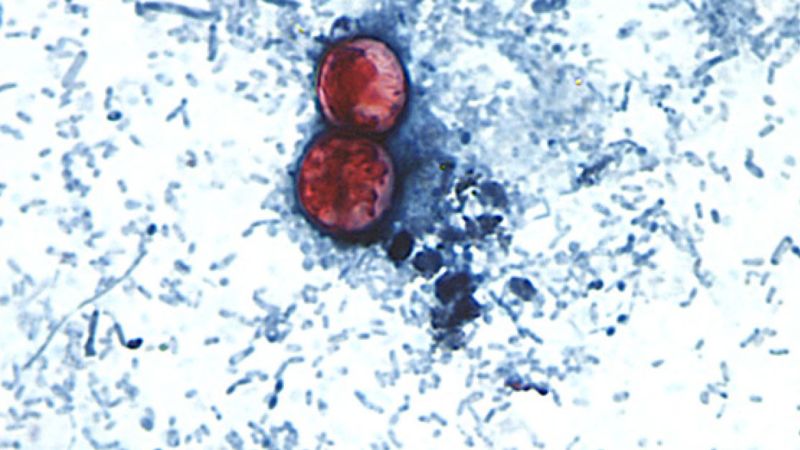
Cyclosporiasis, caused by the Cyclospora cayetanensis parasite, is a foodborne illness that has seen a dramatic rise in recent months. Typically, the parasite’s activity peaks during spring and summer, but this year’s outbreak has exceeded historical trends by a staggering 27 times. Dr. Gwen Biggerstaff, deputy director of the CDC’s Division of Foodborne, Waterborne, and Environmental Diseases, described the situation as “a very big shift” from previous years, emphasizing the unprecedented scale of the outbreak. The CDC’s latest update indicates that at least 400 cases across four states—Michigan, Ohio, West Virginia, and Kentucky—appear to share a common source, pointing to potential food contamination as a key factor.
While the exact origin of the parasite remains under investigation, Michigan’s state health department has highlighted the role of lettuce and salad greens in the outbreak. Preliminary findings suggest that contaminated produce may be the primary transmission route, though other factors, such as water sources or animal contact, are still being explored. The 2023 USDA report, which identified raspberries as the cause of the largest cyclosporiasis outbreak on record, serves as a reminder of the parasite’s ability to spread through agricultural products. This year’s surge, however, underscores the need for more comprehensive food safety measures and heightened surveillance.
Understanding Cyclospora and Its Impact
“The increase in cases this year is much, much higher than what we’ve seen last year or the year before,” said Dr. Gwen Biggerstaff. “We are witnessing a significant shift in the pattern of cyclosporiasis activity.”
Cyclospora cayetanensis is a microscopic parasite that spreads through ingestion of contaminated food or water. Once inside the body, it infects the intestines, leading to gastrointestinal symptoms that can range from mild discomfort to severe dehydration. The parasite’s life cycle involves a dormant stage in the environment, making it difficult to detect and eliminate. Public health experts warn that the current outbreak’s intensity may be attributed to factors such as warmer temperatures, increased water usage, or changes in food supply chains. Hospitalizations have affected approximately 1 in 11 patients, though no deaths have been reported, highlighting the outbreak’s impact on vulnerable populations.
As the outbreak continues to grow, health officials are working to identify the specific food items responsible for contamination. In Michigan, where over 3,300 cases have been linked to the ongoing investigation, authorities are collaborating with agricultural inspectors to trace the source. Similar efforts are underway in other affected states, with a focus on examining packaging, storage, and transportation practices. The CDC has also urged consumers to report any instances of parasitic diarrhea, noting that early detection is critical in containing the spread.
Tracking the Spread and Responding to the Crisis
With 34 states now reporting cases, the outbreak has become a national issue. The CDC’s data reveals that this year’s cyclosporiasis cases are six times greater than those recorded during the same period in 2025. This exponential growth has led to a greater emphasis on regional collaboration and resource allocation. Health departments are coordinating efforts to provide medical care, issue advisories, and educate the public about prevention strategies. The CDC has also launched a task force to investigate the outbreak’s trajectory and identify potential mitigations.
Experts stress that while the exact cause of the current surge is not yet fully understood, the outbreak’s rapid expansion suggests a widespread contamination event. The parasite’s ability to thrive in warm, humid conditions may have contributed to its increased activity, as these environments are conducive to its survival and reproduction. Additionally, the global nature of food supply chains could have played a role, as imported produce is often a vector for cyclosporiasis. Investigations are ongoing to determine whether the outbreak is linked to a specific region, product, or supplier.
As the number of cases continues to climb, public health officials are urging consumers to take precautions, such as washing produce thoroughly and avoiding undercooked foods. The CDC has also recommended that individuals experiencing symptoms of parasitic diarrhea seek medical attention promptly, as prolonged illness can lead to complications. With the outbreak expanding and cases soaring, the focus remains on identifying the root cause, implementing targeted interventions, and preventing further spread. The situation serves as a stark reminder of the importance of food safety in public health planning and response.