
Large Cyclosporiasis Outbreak Linked to Lettuce Reaches 15 States
Qwenews.com – Federal health authorities have confirmed that a large cyclosporiasis outbreak linked to lettuce has now spread across fifteen states, marking one of the most significant foodborne illness events of the season. The parasitic infection, caused by Cyclospora cayetanensis, embeds itself within the small intestine’s lining and can produce severe diarrhea lasting several weeks when left without proper treatment. Six additional jurisdictions—Arkansas, Iowa, Missouri, Nebraska, New Hampshire, and North Carolina—joined the affected regions following comprehensive laboratory analysis by the Centers for Disease Control and Prevention. These tests indicated that illnesses in those locations likely stemmed from the identical cyclospora strain, strengthening the connection between geographically dispersed cases.
Case Numbers and Hospitalizations Continue to Rise
Health officials have documented over six thousand infections throughout this ongoing outbreak. Nearly three hundred individuals required hospitalization, while two fatalities have been recorded among the affected population. According to experts, this latest announcement simply reflects the extensive reach of the outbreak rather than indicating continued geographic expansion. “We are just counting people who were already sick. Now comes the linking to Taylor Farms or other products,” explained Bill Marler, a Seattle attorney specializing in food safety advocacy. The attorney’s firm has been instrumental in tracking foodborne illness outbreaks across the nation for decades.
Emergency Response and Investigation Efforts Intensify
The CDC has activated a Level 3 emergency response protocol for this situation. As the lowest tier of emergency designation, this level signals that the agency is actively monitoring developments while maintaining that public risk remains minimal. This classification provides flexibility for reallocating personnel to support the ongoing investigation. Cyclosporiasis has impacted approximately one out of every thousand residents in Michigan, where two deaths have occurred. State health departments have been working closely with federal counterparts to trace the source of contamination and identify potential high-risk populations.
Lettuce Suspected as Primary Contamination Source
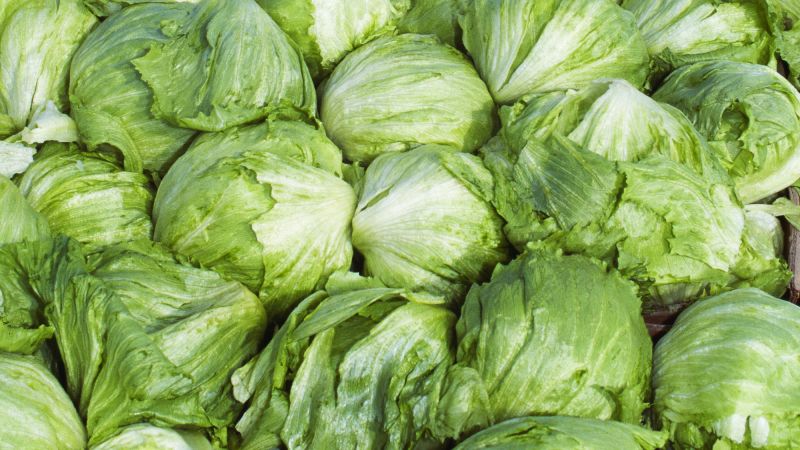
Interviews with numerous affected individuals reveal a common pattern: many consumed shredded iceberg lettuce, frequently sourced from produce manufacturer Taylor Farms for establishments including Taco Bell. On July 17, Taylor Farms de Mexico initiated a comprehensive recall covering all iceberg lettuce cultivated in central Mexico, encompassing salad kits available at retail locations. The company stated on its website that the recall was conducted “out of an abundance of caution” and announced a thorough examination of all safety procedures and protocols. Taco Bell has similarly withdrawn the affected lettuce from restaurants in specific states.
Industry specialists suggest that because lettuce spoils quickly, the contaminated product was likely consumed or discarded well before the outbreak was identified. While lettuce remains the leading suspect in this multistate crisis, officials acknowledge it may not explain every illness. Some affected individuals did not report consuming lettuce, and state health departments have indicated that additional contaminated food sources cannot be completely excluded. Consumers are advised to check their refrigerators for any remaining lettuce products from the affected regions.
Broader Seasonal Impact and Future Estimates
In its most recent report, the CDC identified more than twenty-two thousand seven hundred domestic cyclosporiasis cases during the current season. Of these, ten thousand four hundred sixty-eight cases have been confirmed through laboratory testing, while over twelve thousand two hundred remain under investigation to verify whether infections occurred within the United States. Marler’s calculations indicate that states have collectively reported nearly twenty-five thousand cyclosporiasis cases this season.
Health authorities recognize that numerous individuals experiencing diarrhea may not seek medical attention, suggesting the actual case count could be substantially higher. “The current count ‘is a floor and not an estimate,’ Marler noted. Utilizing a multiplier established by the CDC in 2011, researchers estimate that up to one million Americans may have contracted cyclosporiasis this summer. Meanwhile, the Food and Drug Administration has examined seven distinct clusters of related infections this season, with five of those outbreaks listing the cause as “not identified.”
Frequently Asked Questions
What are the symptoms of cyclosporiasis?
The primary symptoms include severe diarrhea, loss of appetite, weight loss, stomach cramps, bloating, increased gas, nausea, and fatigue. Symptoms typically appear one to two weeks after exposure to the contaminated food source.
How is cyclosporiasis treated?
Cyclosporiasis is treated with prescription antibiotics, most commonly trimethoprim-sulfamethoxazole. Without treatment, symptoms can persist for weeks or even months. It is important to consult a healthcare provider for proper diagnosis and treatment.
Who is at highest risk during this outbreak?
Anyone who consumed lettuce from the affected regions or purchased products containing the recalled lettuce is at risk. Children, elderly individuals, and those with weakened immune systems may experience more severe symptoms.
How can I prevent infection?
Wash all produce thoroughly before consumption, avoid eating lettuce from recalled batches, and practice good hand hygiene. If you experience persistent diarrhea after consuming potentially contaminated food, seek medical attention promptly.