
L.A. Unified Enacts Reasonable Screen Time Limits – But Other Schools Still Fall Short
A New Approach to Digital Overuse in Education
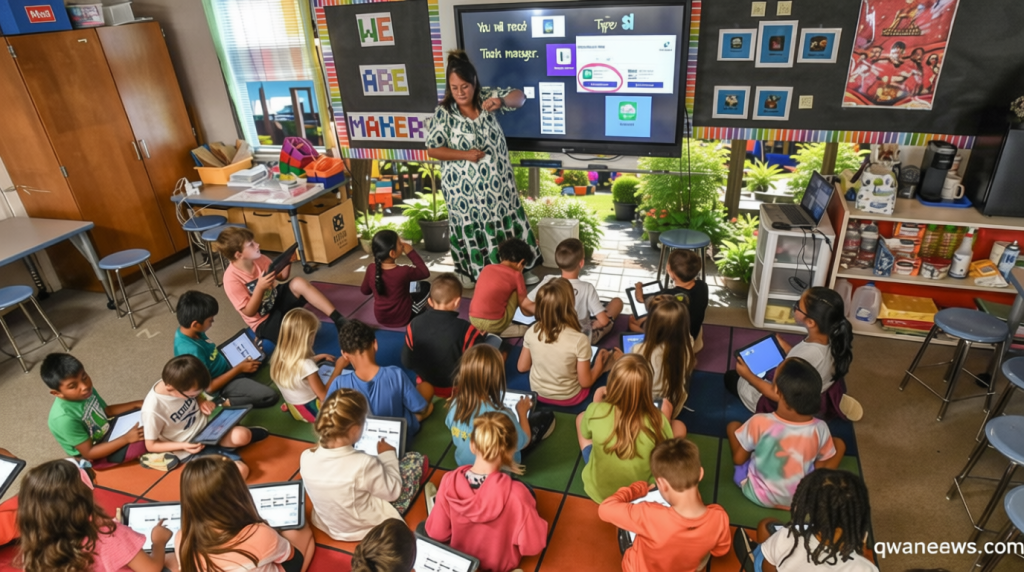
Qwenews.com – Los Angeles Unified School District has taken a proactive stance in limiting screen time for young students, implementing a framework that balances technology use with traditional learning methods. This initiative, which sets clear boundaries on digital exposure, aims to foster healthier habits and reduce the risks associated with excessive screen time. While the district’s policy has sparked discussion across the nation, many other schools remain unregulated, leaving parents to navigate a landscape where technology often dominates classroom activities. The question now is: how can families ensure their children receive similar attention to screen limits?
Policy Details and Implementation
The updated guidelines, approved on June 23, 2026, establish specific limits for screen use in different grade levels. Preschool and first-grade classes will no longer include instructional time on screens, while second and third graders will have a maximum of 20 minutes of daily screen exposure, including homework. By high school, the cap increases to 1.5 hours per day, with a weekly limit of 10 hours. The policy also prohibits the use of YouTube and social media platforms during school hours and eliminates the distribution of individual devices to students. These measures reflect a thoughtful effort to integrate technology responsibly without overwhelming young learners.
Kara Alaimo, a professor at Fairleigh Dickinson University, has long emphasized the importance of managing screen time. Her 2024 book, “Over the Influence: Why Social Media Is Toxic for Women and Girls — And How We Can Take It Back,” underscores the growing concerns about digital overexposure among children. Alaimo argues that schools like Los Angeles Unified are setting a standard that other districts should emulate, particularly as the impact of screen time on attention spans and mental health becomes more evident.
Adapting for Special Needs
While the policy focuses on reducing screen time, it also allows for exceptions in cases where technology is essential for learning. Students with disabilities, such as dysgraphia, may rely on devices to complete tasks that would otherwise be challenging. These accommodations are outlined in individualized education programs (IEPs), ensuring that each child’s unique needs are met. However, Dr. Yair Lev, a physician advocating for screen limits in Lower Merion, Pennsylvania, schools, notes that there is no conclusive evidence to support the idea that screens enhance learning for all students.
Lev highlights risks such as distraction, exposure to inappropriate content, and weakened teacher-student interactions. He stresses that while exceptions are necessary, they should not become the norm. “Some of what happens during youth can’t be reversed,” he explains. “It’s another reason to rethink kids’ screen time.” His insights underscore the need for a balanced approach that considers both the benefits and drawbacks of digital integration in education.
Parental Advocacy and School Engagement
Parents can play a crucial role in pushing for change in their own schools. With most districts still distributing individual devices, proactive measures are essential. For example, in New Jersey, parents raised concerns about a 45-minute video homework assignment, prompting officials to evaluate alternative methods. Jill Anderson, a New York teacher, recommends starting with a letter to the school district over the summer to communicate priorities about screen use. This ensures that educators are aware of parental concerns before the academic year begins.
Lev’s experience with Lower Merion schools demonstrates how targeted efforts can yield results. When kindergarteners were given tablets, he requested his son not be assigned one, and the school promptly adjusted. This case highlights the power of parental involvement in shaping school policies. By uniting and presenting collective concerns, families can create momentum for reform and encourage districts to adopt more reasonable screen time regulations.
Challenges and Opportunities for Broader Adoption
Despite the success of L.A. Unified’s policy, widespread adoption remains a challenge. Many schools cite budget constraints or the need for digital tools in remote learning as reasons for maintaining current practices. However, the growing body of research on the effects of screen time on children’s development is pushing for change. Educators and policymakers are increasingly recognizing the value of reducing digital exposure, especially for younger students who may not yet have the maturity to manage screen use effectively.
With the Pencils Over Pixels movement gaining traction, parents are organizing to demand better screen time policies. This grassroots effort, led by advocates like Lev, has already influenced local school boards to reconsider their approach. As more districts adopt similar measures, the long-term benefits for student wellness could be significant. The key to success lies in sustained advocacy, informed dialogue, and a commitment to integrating technology in a way that supports, rather than replaces, traditional learning methods.