
US Allocates $750K to Evacuate American from Hantavirus Cruise Ship
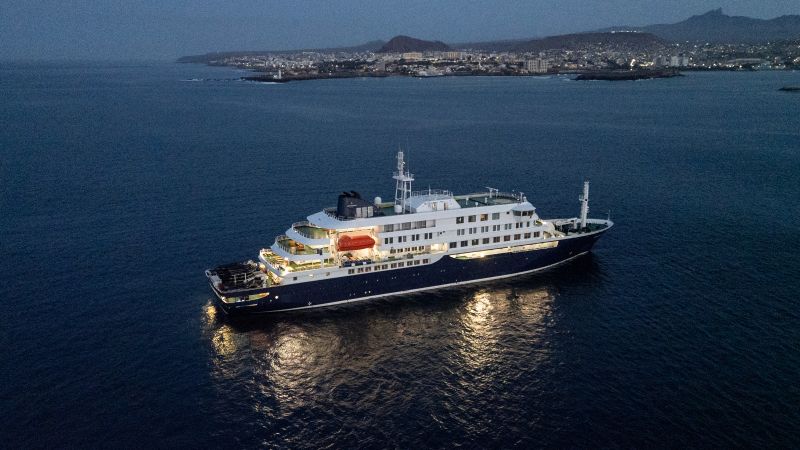
Qwenews.com – The U.S. government has allocated $750,000 to evacuate an American citizen stranded on a remote South Pacific island after being exposed to hantavirus during a cruise ship outbreak. This action underscores the State Department’s commitment to rapid response in health emergencies, even when the situation arises far from U.S. borders. The individual, who had been on the Dutch MV Hondius, was isolated after the cruise ship was linked to a fatal hantavirus case. The decision to fund the evacuation comes amid growing concerns about the State Department’s emergency budget, which is already stretched thin due to recent geopolitical crises.
Evacuation Costs and Budget Challenges
The $750,000 allocation is part of a broader effort to cover the rising costs of emergency evacuations. Officials confirmed the expense in an internal document reviewed by The Associated Press, highlighting the complexity of moving the woman to a safe location. The evacuation process, which involved chartering a private yacht, faced delays as French Polynesian officials initially blocked her transit to Tahiti due to a failure to disclose her hantavirus exposure. This incident has raised questions about the coordination between international authorities and the U.S. government in such scenarios.
As the evacuation unfolded, the State Department’s emergency fund, known as the “K Fund,” was tested. Internal records show the fund’s balance has dropped to its lowest level in seven years, prompting discussions about reallocating $50 million from other budget lines to address the shortfall. This includes $35 million from embassy security and infrastructure budgets and $15 million from diplomatic programs. While the plan is under consideration, no final decision has been made, leaving the future of such allocations uncertain.
The Hantavirus Outbreak and Its Impact
The hantavirus outbreak on the MV Hondius has become a focal point for public health officials. First identified in the South Pacific, the virus is transmitted through rodent droppings and can lead to severe respiratory illness. The cruise ship’s passengers, many of whom were unaware of the risk, faced heightened anxiety as the outbreak progressed. Health authorities emphasized the need for swift action to prevent further spread, which likely influenced the urgency of the American woman’s evacuation.
Despite the woman showing no symptoms at the time of her departure, her presence on Pitcairn Island—a British territory with limited medical resources—posed a potential threat. The island’s small population and lack of air travel infrastructure made the evacuation a logistical challenge. The use of a private yacht, the “Titaina Explorer,” was a critical solution, though it underscored the need for contingency plans in such scenarios. The cost of this operation has added to the financial strain on the State Department’s emergency budget.
Officials involved in the case requested anonymity, citing privacy laws that protect the individual’s details. The decision to fund the evacuation highlights the U.S. government’s prioritization of citizens in health crises, even when the outbreak is not directly tied to American territory. This move also reflects the growing importance of rapid response capabilities in an era of global health threats. The State Department’s ability to act quickly in this instance may serve as a model for future evacuations.