
Trump administration proposes new rules for prediction markets
Qwenews.com – On June 10, 2026, the Trump administration proposed new rules for prediction markets, aiming to balance regulation with the continued operation of most sports-related activities. These guidelines seek to address concerns about market manipulation while preserving the vibrancy of sports betting and other popular forms of predictive wagering. The proposal highlights the administration’s intent to modernize oversight without stifling the growth of platforms like Kalshi and Polymarket, which have become central to both casual and professional betting.
Regulatory Framework and Key Focus Areas
The new rules, outlined by the Commodity Futures Trading Commission (CFTC), focus on key areas such as injury predictions, officiating decisions, and “first-pitch” contracts in baseball. These specific instruments are seen as high-risk due to their potential to influence game outcomes through individual player actions. By targeting these elements, the administration hopes to mitigate the impact of predictive markets on sports events while allowing broader activities, such as team performance betting, to flourish. The framework also leaves room for future expansions, including potential regulations on high school sports betting.
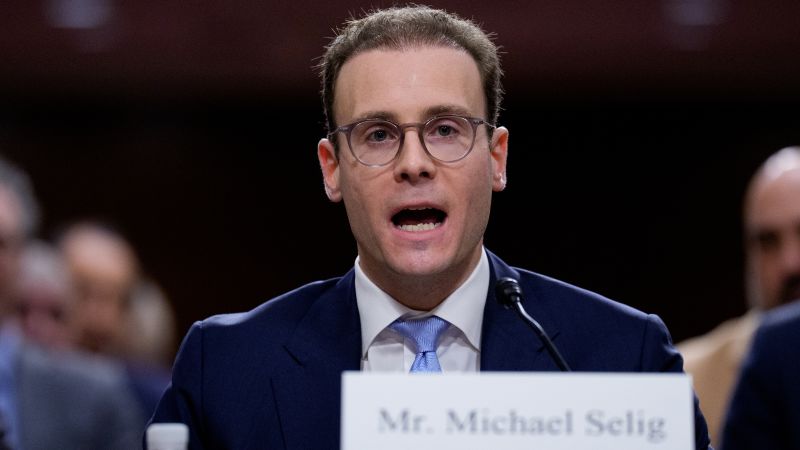
“The Trump administration proposes new rules to safeguard market integrity while fostering innovation,” said CFTC Chair Mike Selig in a statement. “These measures ensure responsible growth without burdening the sports betting sector.”
Although the rules are designed to reduce risk, they have sparked debate among industry stakeholders. Critics argue that the measures are insufficient to address concerns about gambling addiction and market distortion, particularly in cases where predictions could sway public opinion or betting behavior. For instance, prop bets on athlete injuries or ejections have been scrutinized for their potential to create biased outcomes. Meanwhile, supporters of the proposal contend that it provides a necessary middle ground, allowing sports betting to remain a dynamic part of the market economy.
Stakeholder Reactions and Policy Expectations
Industry insiders, including casino lobbyists and sports leagues, have expressed mixed reactions to the Trump administration’s proposal. While some appreciate the clarity and structure the new rules provide, others believe the administration could have done more to align with earlier regulatory efforts. For example, during the Biden era, stricter measures were introduced to limit election-related wagers, a move that some stakeholders feel the Trump administration has not fully embraced. This has led to calls for a higher minimum age for participants, stricter limits on speculative bets, and increased transparency requirements for market operators.
The CFTC’s decision to focus on specific sports activities rather than a blanket ban reflects a nuanced approach to regulation. This strategy allows for targeted interventions in areas most vulnerable to manipulation while keeping popular markets open. The rules also emphasize the importance of market liquidity, ensuring that sports betting remains accessible and competitive. However, the proposal has been criticized for not addressing the growing influence of algorithmic trading in prediction markets, which some experts argue could amplify risks in the long term.
“The Trump administration proposes new rules that are a step forward but still fall short of addressing the full scope of predictive market risks,” noted Dr. Emily Tran, an economics professor specializing in market dynamics. “While sports betting is protected, we need to ensure that all forms of prediction markets are subject to consistent oversight.”
As the new regulations take effect, their impact on the industry will be closely monitored. The Trump administration’s approach has set a precedent for future policy decisions, potentially influencing how other governments regulate similar markets. With the rulebook now in place, the next phase will involve implementation, enforcement, and ongoing evaluation to determine whether the balance struck by the proposal is effective. Stakeholders are now preparing for a new era of regulation, one that may redefine the boundaries of predictive betting in the sports world.