
‘Read the air’ | Japanese Hot Spring Expert Shares Naked Bathing Secrets
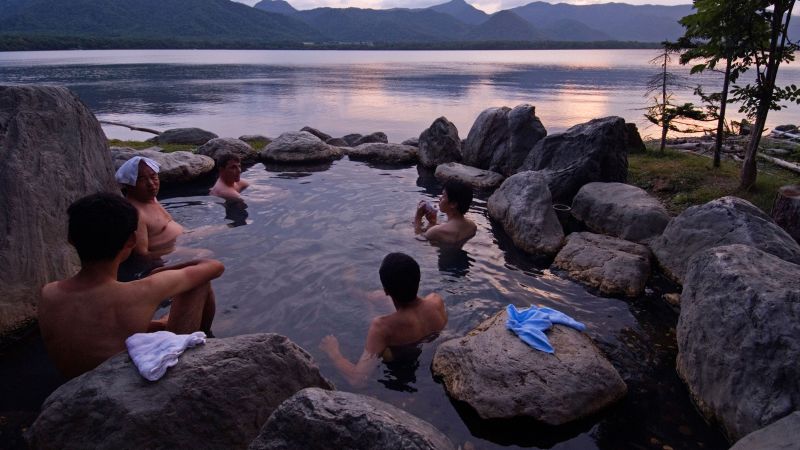
Qwenews.com – When visiting Japan’s onsens, the phrase “read the air” becomes more than a poetic metaphor—it’s a vital guide to navigating the subtleties of thermal bathing. Perched on a rugged outcrop along the Izu Peninsula, the Kuroneiwa-buro hot spring offers a striking view of the Pacific Ocean, where waves crash against nearby boulders in a rhythmic dance. This remote spot, nestled in the small fishing village of Hokkawa Onsen, may seem unexpected for a Western traveler, yet it exemplifies the seamless blend of nature and tradition that defines Japan’s onsen culture. Understanding the local customs, such as the ritual of “read the air,” can transform a casual dip into a meaningful cultural experience.
The Art of Reading the Air
For many foreigners, the first encounter with an onsen often involves a mix of wonder and bewilderment. A simple act like stepping into the water can carry unexpected weight, especially when it comes to the tradition of naked bathing. In Kuroneiwa-buro, the key to blending in lies in “reading the air”—a phrase that encapsulates the unspoken cues and expectations that govern these sacred spaces. This practice extends beyond the immediate act of bathing; it involves observing the flow of people, the temperature of the water, and the subtle signals that dictate when to enter and when to exit.
During my visit, a Western woman confidently approached the water source, cupping the steaming stream with her hands and dousing herself in a flurry of motion. Her exclamation of “Hot! Hot! HOT!” drew laughter from nearby bathers, but it also highlighted the cultural disconnect that often occurs. A sign nearby, awkwardly translated as “Please pour hot water on yourself before bathing,” left her puzzled. I joined the chorus of laughter, clarifying that the ritual involved using the bucket to scoop water from the bath, not the source. This moment underscored the importance of “read the air” in deciphering onsen etiquette.
Etiquette and Expectations
Japan’s onsens are more than natural springs—they’re social spaces where rules are both practical and symbolic. “Read the air” is a mantra for understanding these unspoken norms, such as the expectation of nudity, the importance of cleanliness, and the quiet reverence for shared spaces. While some may find the idea of communal bathing surprising, these customs have deep roots in Japan’s history, dating back centuries. The Onsen Law, which regulates water quality and temperature, ensures that each facility meets specific criteria, but it’s the cultural context that truly shapes the experience.
Beyond the basics, onsen etiquette reveals layers of mindfulness. For instance, entering the bath at the right time can prevent overcrowding and maintain the serene atmosphere. Similarly, the choice of bath type—whether acidic, alkaline, or mineral-rich—reflects personal preferences and health goals. As a self-proclaimed onsen sommelier, I’ve traveled over 1,900 miles across Japan, from Hokkaido to Okinawa, to decode these nuances. My goal is to help visitors “read the air” and embrace the authenticity of onsen culture without hesitation.
Some onsens welcome day visitors for under $10, while others offer free public access. Entire towns, often named with “Onsen” in their title, are dedicated to these waters, housing everything from traditional ryokans to modern hotels. The experience varies, but the core principle of “read the air” remains constant: it’s about attuning oneself to the environment and the people around you. Whether it’s the soft glow of lanterns in a mountain retreat or the bustling energy of a popular spa, understanding these cues enhances the journey.
Cultural Significance and Traditions
Japan’s onsen culture is deeply intertwined with its philosophy of harmony and mindfulness. The phrase “read the air” is not just about the physical environment but also about the emotional and social climate. In Fukuji Onsen, a quiet town about five hours from Nagoya, I worked at a 170-year-old farmhouse-turned-retreat that embodied this ethos. The mountain vistas and lantern-lit ambiance created a timeless atmosphere, inviting visitors to slow down and immerse themselves fully in the moment. This immersion into local traditions solidified my commitment to sharing the beauty of Japan’s thermal springs with the world.
For those new to the practice, “read the air” serves as a reminder that onsens are spaces of connection and tranquility. The act of entering a hot spring barefoot, the shared experience of steam, and the gentle hum of conversation all contribute to a sense of belonging. By learning to “read the air,” visitors can navigate these spaces with confidence, avoiding misunderstandings and deepening their appreciation for the culture. Whether it’s the ritual of kakeyu, the timing of baths, or the choice of temperature, every detail plays a role in the overall experience.