
Exclusive: ICC Chief Prosecutor Faces Sexual Misconduct Allegations, Denies Claims
Qwenews.com – Exclusive reports reveal growing controversy surrounding the International Criminal Court (ICC) as allegations of sexual misconduct against Chief Prosecutor Karim Khan gain traction. A female ICC employee, Sarah, has come forward with detailed claims that have prompted an internal investigation. While Khan insists the accusations are unfounded, the situation has intensified scrutiny over the court’s leadership and the validity of the evidence presented.
Allegations Detail Pattern of Harassment
Sarah, a Malaysian legal professional who joined the ICC in 2017, alleges Khan subjected her to repeated sexual advances over a year, including groping, attempted kissing, and explicit digital and genital contact. The claims, outlined in a exclusive UN investigative report obtained by CNN, suggest a progression from subtle intimidation to more direct misconduct. According to the report, Khan’s actions were often tied to his position of authority, leaving Sarah feeling powerless and vulnerable.
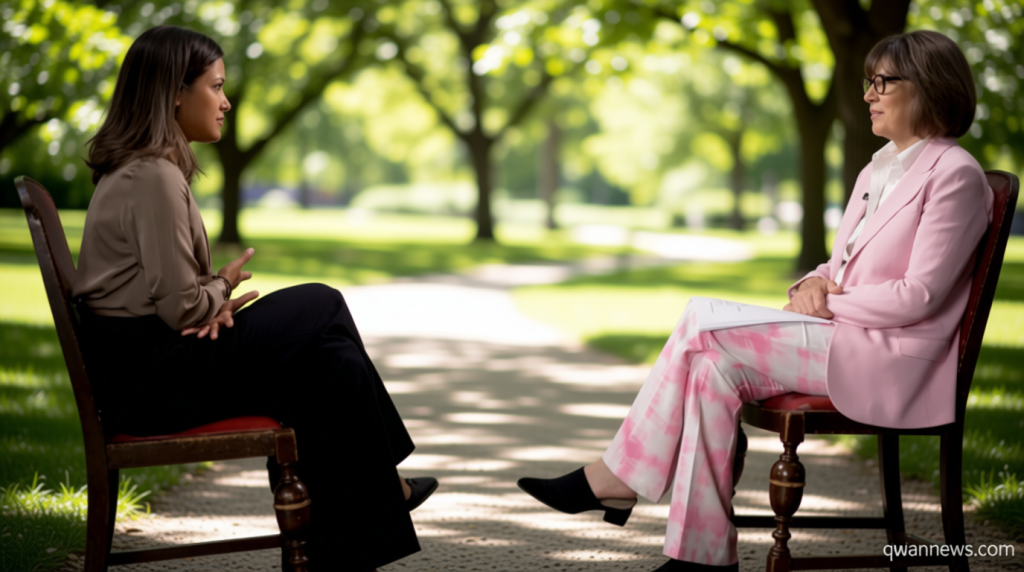
“There is no way for something to be consensual when you have such a power disparity,” Sarah said during a exclusive interview with CNN’s Christiane Amanpour. “Mr. Khan was not just my boss—he was the head of the court, and his behavior created a climate of fear for everyone.”
Sarah described her emotional and professional anxiety, fearing repercussions such as job loss, loss of her work visa, and the impact on her family’s stability. The exclusive report highlights how her experiences reflect broader concerns within the ICC about the balance between leadership influence and workplace accountability.
Khan’s Defense and Disciplinary Proceedings
Khan has publicly denied the allegations, labeling them as part of a campaign to undermine his credibility. His lead counsel, Sareta Ashraph, emphasized that the UN investigation focused on gathering facts rather than delivering a judicial verdict. She argued that the evidence remains inconclusive and that Khan’s actions should be evaluated within the context of his role as a high-ranking official.
On June 24, the ICC’s oversight body suspended Khan pending disciplinary review. The decision, made by the 125 member states, will be finalized on July 24, with the outcome potentially reshaping the court’s leadership structure. The exclusive nature of Sarah’s testimony has added urgency to the process, as the ICC seeks to address concerns about its integrity.
Conflicting Evidence and Judicial Scrutiny
The exclusive UN report released in December provided a “factual basis” for Sarah’s claims, citing interviews and corroborating accounts. However, a separate judicial panel in March concluded that the evidence was insufficient to prove misconduct beyond reasonable doubt. This discrepancy has fueled debate about the standards of proof in internal investigations versus formal legal proceedings.
Additional exclusive findings from an internal ICC review revealed Khan’s alleged sexual harassment extended to a junior staff member. The report noted that Khan initially hesitated to fully deny a romantic relationship with the accuser, later attempting to dissuade her from pursuing the matter. These details complicate the narrative, suggesting a pattern of behavior that may challenge his leadership.
Implications for ICC’s Credibility
The allegations have sparked discussions about the ICC’s role in upholding justice for its own members. With the court’s reputation tied to its impartiality, Sarah’s claims raise questions about how power dynamics affect internal accountability. The upcoming vote by member states could serve as a pivotal moment, determining whether the ICC will support Khan or remove him from office.
As the July 24 decision approaches, the exclusive focus on the misconduct allegations underscores the high stakes of the situation. The ICC faces pressure to demonstrate transparency, ensuring that the process is fair and that the rights of all individuals are respected, regardless of their position within the organization.