
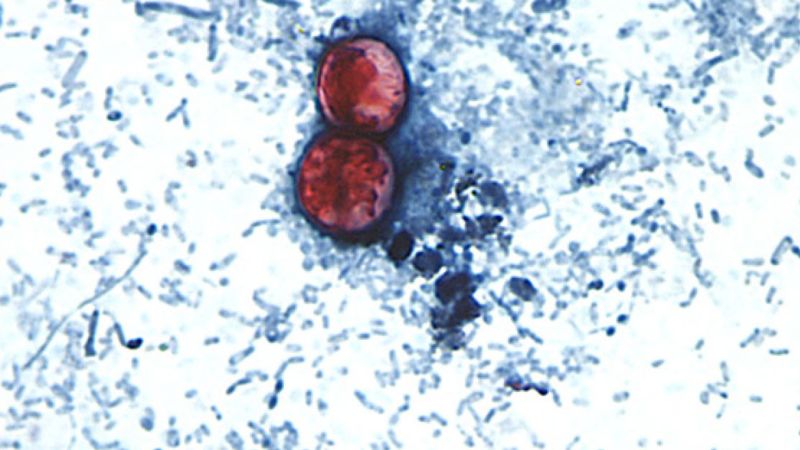
Michigan Diarrhea Outbreak Linked to Lettuce and Salad Greens
Qwenews.com – Health officials in Michigan have raised concerns about a cyclospora parasite outbreak, suggesting it may be linked to contaminated lettuce and salad greens as cases surge past 3,000. The Centers for Disease Control and Prevention (CDC) reported a significant rise in infections over the past two weeks, with the state now accounting for 2,640 confirmed cases, including 44 hospitalizations. Ohio has also seen 361 cases since June 1, and the outbreak has spread to 31 states, though the exact origin remains under investigation. While researchers have identified lettuce as a frequent suspect, no single grower or supplier has been definitively linked to the contamination.
Outbreak Trends and Public Health Concerns
The cyclospora outbreak has shown a distinct seasonal pattern, peaking during the summer months, according to federal health agencies. This trend aligns with the parasite’s life cycle, which thrives in warm, humid conditions. Symptoms of cyclosporiasis typically include watery diarrhea, loss of appetite, weight loss, and stomach cramps, often lasting for several days to weeks. The illness is particularly concerning for vulnerable populations such as children, the elderly, and individuals with weakened immune systems.
Dr. Natasha Bagdasarian, Michigan’s chief medical executive, highlighted the importance of continued monitoring, stating,
“Early data suggests that lettuce and salad greens are common in patients’ reported consumption, which makes them a key area of focus.”
This insight underscores the need for thorough traceability in the food supply chain. However, the delay in identifying contamination sources—since patients often recall food consumption weeks after symptoms emerge—poses challenges for rapid intervention. Public health experts emphasize that genomic testing, while crucial, requires more time and resources than other methods like DNA sequencing for bacteria.
Surveillance Challenges and Funding Constraints
The complexity of tracking cyclospora infections is compounded by recent cuts to public health surveillance programs. The CDC reduced its FoodNet initiative in 2025, shifting focus from monitoring eight pathogens to prioritizing salmonella and a specific E. coli strain. While cyclosporiasis remains a nationally notifiable disease, this change has limited the depth of data collection for other contaminants, including lettuce and salad greens. Dr. Robert Redfield, former CDC director, warned that these reductions could hinder early outbreak detection, stating,
“Surveillance is key to identifying threats before they escalate.”
Despite these challenges, state health departments continue to report cases promptly. Michigan’s Department of Health has launched a task force to coordinate with local and federal agencies, aiming to pinpoint the source of the outbreak. The agency has also issued advisories urging consumers to check for recalls and practice safe food handling. Industry stakeholders, including lettuce producers, are under pressure to improve traceability and hygiene protocols, especially as the outbreak threatens public confidence in fresh produce.
Broader Implications for Food Safety
Experts caution that the cyclospora outbreak highlights gaps in food safety infrastructure. Unlike bacterial contaminants that can be rapidly detected through testing, cyclospora requires a longer incubation period and is more difficult to isolate. This delay means that outbreaks can spread extensively before a source is identified. The CDC is currently analyzing data to determine if the outbreak is part of a larger pattern or a localized incident. Meanwhile, health officials are urging the public to remain vigilant, particularly during peak season for such infections.
As the outbreak continues, the emphasis on lettuce and salad greens as potential culprits has sparked renewed interest in water quality and farming practices. Cyclospora is typically transmitted through ingestion of contaminated water or food, with leafy greens being a frequent vector. Researchers are now exploring whether changes in irrigation practices or cross-contamination during harvest might have contributed to the surge. Until the source is confirmed, public health measures such as thorough washing of produce and improved water testing will remain critical in preventing further spread.