
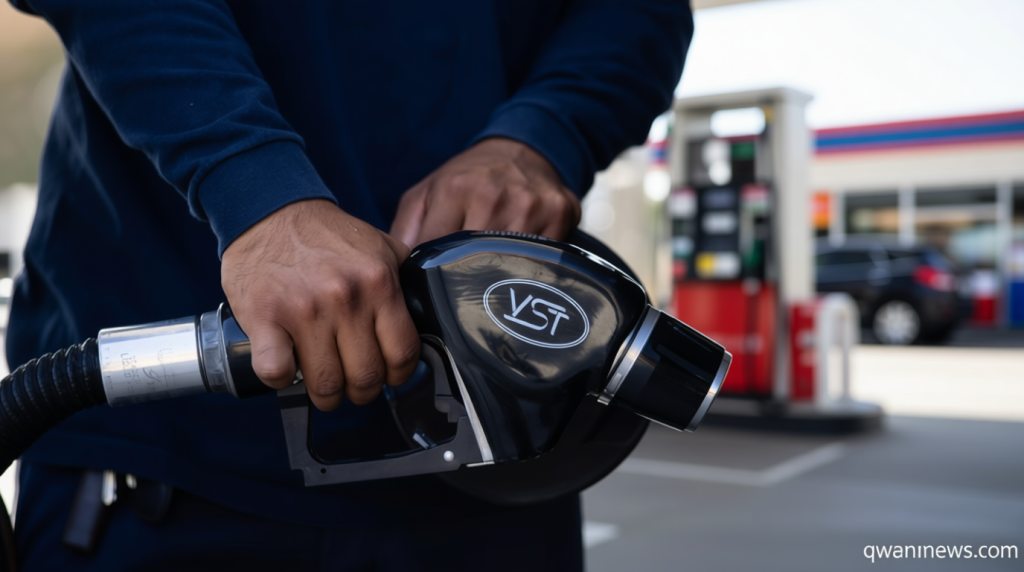
Why Premium Gas Is So Expensive? More Americans Are Filling Their Cars With It
Qwenews.com – Why is premium gas so expensive? Gas stations across the U.S. have reported a notable increase in premium gasoline demand, with prices surpassing $5.40 per gallon for multiple days this spring. Even as the cost of premium fuel has surged, its popularity continues to grow. A decade ago, the price difference between premium and regular gasoline was minimal, but today, it stands at over a dollar—changing how consumers perceive the value of premium fuel. This trend raises questions about the factors driving its rising cost and why it remains a preferred choice for many drivers.
Factors Influencing Premium Gas Demand
Modern vehicles are a primary driver of premium gasoline’s increased demand. Many cars now require or recommend premium fuel with an octane rating of at least 91, pushing consumers to opt for it even if their vehicle doesn’t strictly need it. Despite this, a lingering belief persists that premium gas offers superior performance, leading drivers to perceive it as an investment in their car’s efficiency. This perception, though somewhat outdated, continues to shape market behavior and keep prices elevated.
“The gap between premium and regular gas is no longer just a few cents—it’s a dollar and a half,” noted Andy Lipow, president of Lipow Oil Associates. “Consumers are paying more because they think they’re getting more from their fuel.”
The widening price disparity between premium and regular gas can be attributed to a combination of supply and demand factors. While wholesale prices have risen by about 20 cents since the mid-2000s, retail prices have climbed far more steeply. This has allowed gas stations to maximize profits, as the cost of premium gasoline has become a significant revenue driver. Additionally, the demand for high-octane fuel has grown due to advancements in engine technology, making it harder for consumers to avoid paying a premium for their fuel.
Regulatory and Refining Impacts on Costs
Government regulations have played a key role in increasing the cost of premium gasoline. In the early 2000s, stricter sulfur emission standards led to a decline in natural octane levels in fuel. To meet these requirements, refineries began blending more ethanol into gasoline, which is more expensive to produce. This shift raised the base cost of premium fuel, compounding the effect of rising retail prices. As a result, the cost of premium gas has become a complex interplay of environmental mandates, refining expenses, and market dynamics.
Refineries also face higher operational costs when producing premium gasoline. The process involves additional steps to ensure the fuel meets the octane requirements for modern engines, which increases production expenses. Meanwhile, the retail markup has grown significantly, with stations capitalizing on the premium pricing strategy. This has created a scenario where the cost of premium gas is not just a reflection of production costs but also of strategic pricing by service stations. The question of why premium gas is so expensive now encompasses both refining efforts and commercial decisions.
Historical Evolution of Premium Fuel
Premium gasoline’s rise began in 1923 with the creation of Ethyl Corp by General Motors and Esso. This company introduced tetraethyllead (TEL) as a fuel additive to enhance engine performance and reduce knocking. Over time, TEL became a standard component in gasoline, and the term “premium” was associated with higher performance. By the mid-1950s, high-compression engines in luxury vehicles further solidified the need for premium fuel, prompting stations to emphasize its benefits through marketing campaigns.
“Consumers have been conditioned to believe premium gas is better for their engines, even when it’s not strictly necessary,” said Lipow. “This perception has kept demand steady despite the cost.”
As the automotive industry evolved, so did the role of premium gasoline. The introduction of fuel-injected engines in the 1980s and 1990s led to a shift in fuel requirements, with premium gasoline becoming a standard for many vehicles. The EPA’s 1996 mandate for detergent additives added another layer to the premium fuel narrative, reinforcing its image as a cleaner, more effective option. Today, even cars that don’t require premium fuel are influenced by decades of branding, making it a cultural norm rather than a technical necessity.
Despite the growing cost, the percentage of premium gasoline sales has increased steadily. From 9% in 2013 to