
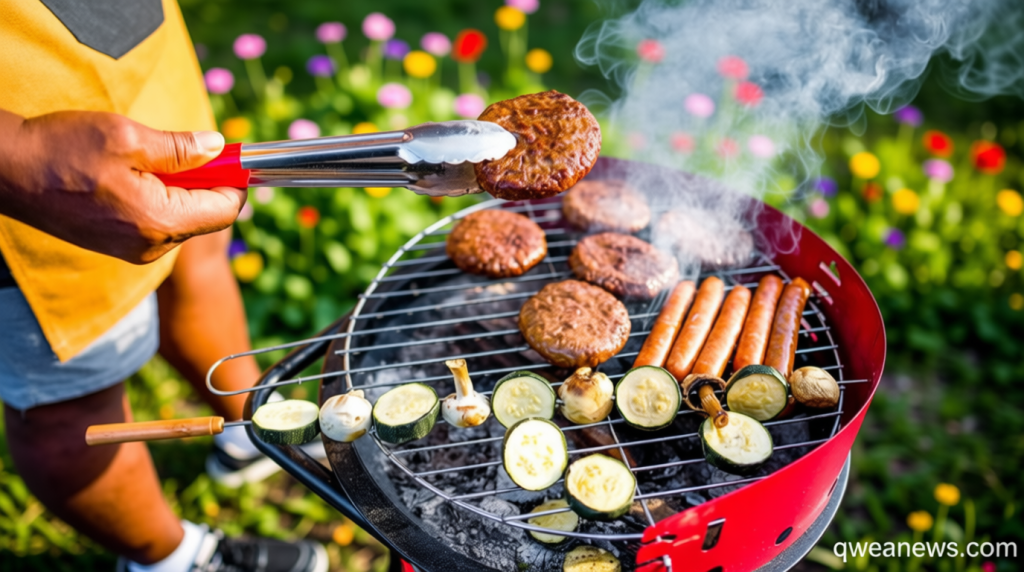
Why July Fourth Celebrations Require Extra Food Safety Awareness
Qwenews.com – As heatwaves set new records across the U.S. and global regions, the risk of dangerous temperatures has escalated. With sweltering heat and humidity, keeping food safe during outdoor festivities becomes critical. Dr. Leana Wen, a CNN wellness expert, highlights key strategies to prevent foodborne illnesses and maintain health during the holiday.
Understanding the Risk of Foodborne Illness
According to the CDC, approximately 9 million foodborne illness cases occur each year. These often stem from consuming contaminated food or drinks, which may harbor bacteria, viruses, or parasites. While most cases are mild, they can still cause discomfort, including nausea, vomiting, and stomach cramps. In severe cases, hospitalization or even death may result, particularly for vulnerable groups like children, seniors, and immunocompromised individuals.
“Food safety is crucial because even mild illnesses can disrupt daily life, and some cases can lead to serious complications,” explains Dr. Leana Wen, an emergency physician and clinical associate professor at George Washington University.
Safe Cooking Practices for Outdoor Gatherings
Dr. Wen emphasizes that undercooked meat is a common culprit in foodborne outbreaks. Using an internal thermometer ensures proper cooking temperatures. For instance, chicken requires at least 165°F, while ground beef should reach 160°F. After cooking, she recommends maintaining food at 140°F or higher until serving to avoid bacterial growth.
Raw meat should be chilled before grilling, not left at room temperature. Removing it from the fridge just before placing it on the grill helps preserve freshness and safety. Additionally, keeping utensils and plates separate for raw meat and other foods prevents cross-contamination.
“Perishables like potato salad or coleslaw should be eaten quickly or refrigerated within an hour if temperatures exceed 90°F,” Wen advises.
Handling Food Without Refrigeration
For those grilling at parks or locations without refrigerators, a well-insulated cooler packed with ice is essential. Raw ingredients must stay below 40°F until ready to cook. She also suggests sealing uncooked meat in plastic bags to avoid spreading contaminants to fresh produce or dairy items.
“Labeling utensils used for raw meat and keeping them apart from salad items or buns helps reduce the risk of spreading germs,” Wen notes.
Hand Hygiene and Other Health Considerations
Dr. Wen stresses the importance of washing hands thoroughly with soap and water after handling raw meat. This prevents transferring bacteria to other foods, such as salads or dairy, which are often eaten raw.
“Going from raw hamburger to making a salad without washing hands is like inviting bacteria to your plate,” she warns.
Avian Flu and Food Safety
Addressing concerns about last year’s avian flu outbreak, Wen confirms that it hasn’t changed the safety of consuming chicken or eggs. As long as meat and eggs are cooked to recommended temperatures, they remain safe. Milk is also still acceptable, provided it is stored properly.
With high temperatures potentially worsening health risks, experts urge proactive measures to stay hydrated and cool. Whether grilling, exercising, or caring for pets, maintaining food safety and overall wellness is vital for a healthy Independence Day celebration.